Planning guide
How Many Hours of Indian Wedding Photography Do You Need?
By Noor K Photography ·
How many hours of Indian wedding photography you need depends on how many events you have, how long each one runs and how much of the getting ready and portraits you want covered. As a rough guide, most South Asian weddings need about 2 to 4 hours for a mehndi, 1.5 to 2.5 hours for a haldi, 3 to 5 hours for a sangeet, 6 to 9 hours for the wedding day and 4 to 5 hours for the reception. This guide explains each event, gives sample plans for a one-day, two-day and three-day wedding, and shows where couples often under-plan.
Coverage hours by event: the quick answer
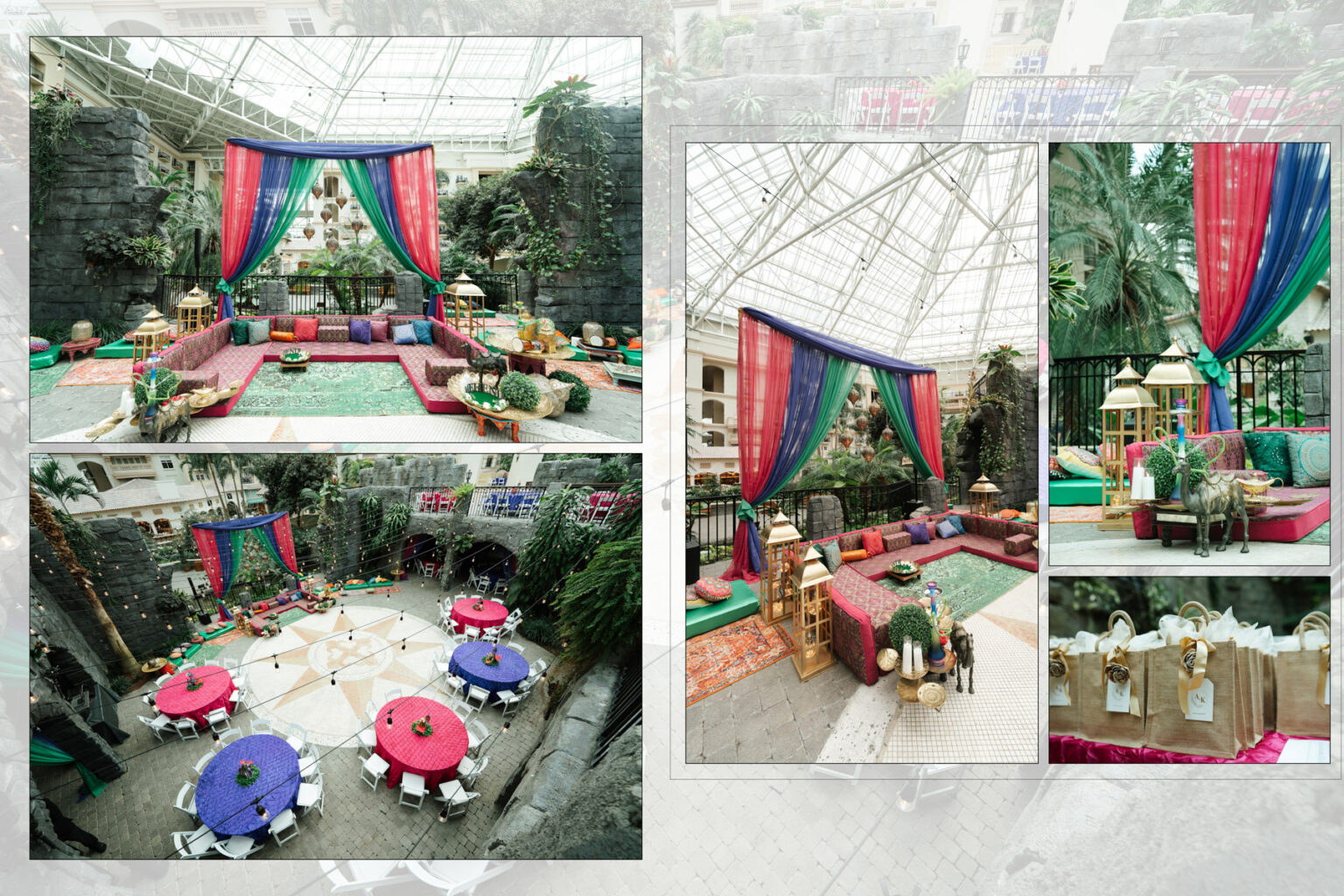
- Mehndi: 2 to 4 hours. Decor, henna close-ups, family dancing, performances and couple portraits.
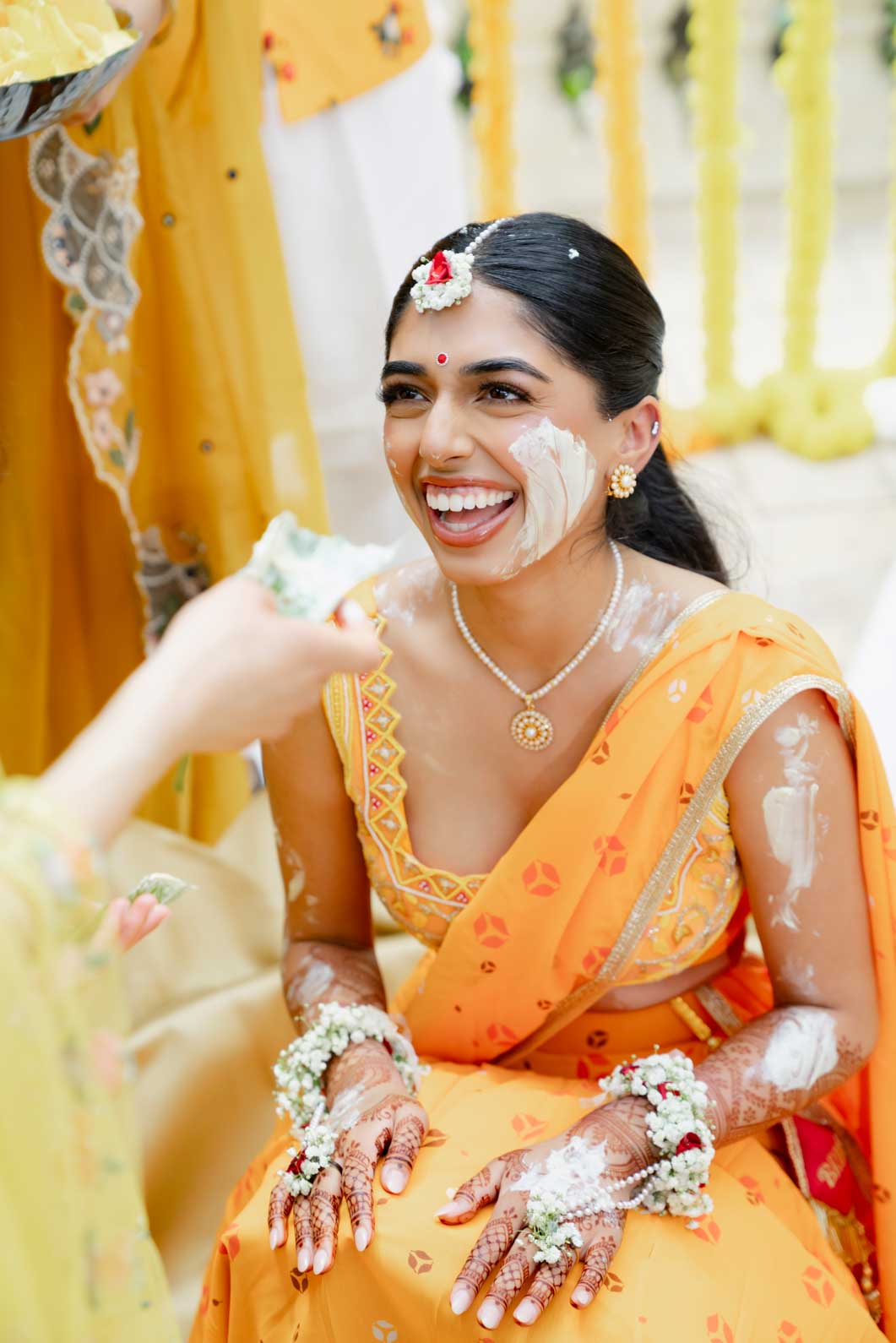
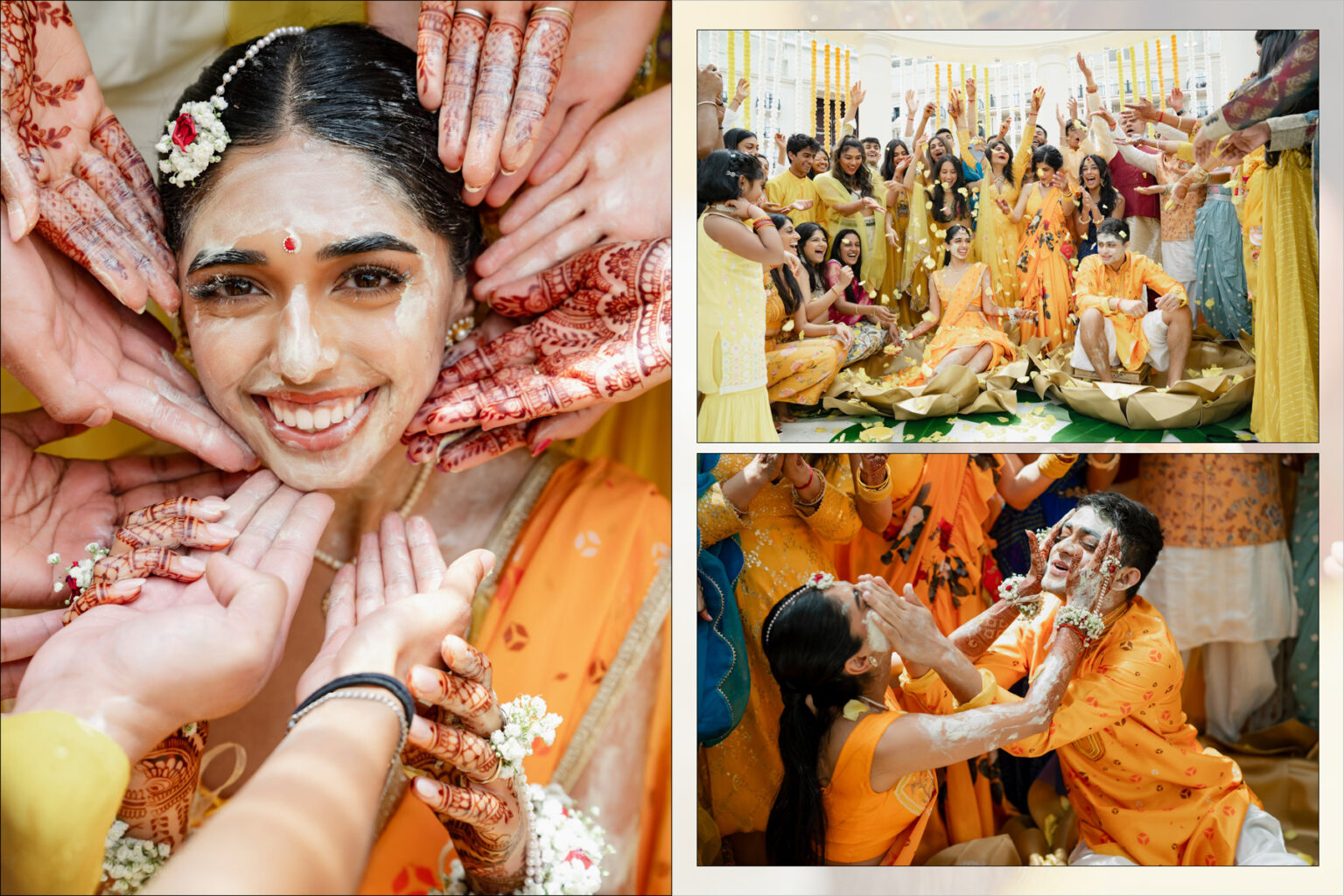
- Haldi, pithi or maiyan: 1.5 to 2.5 hours. It moves fast, and the best moments happen in the first hour.
- Sangeet, garba or dholki: 3 to 5 hours. Portraits, entrance, performances, speeches and the first part of open dancing.
- Wedding day (getting ready, baraat, ceremony, family photos and portraits): 6 to 9 hours.
- Nikkah on its own: 3 to 4 hours, including getting ready, the ceremony, family groups and portraits.
- Reception or walima: 4 to 5 hours, from portraits and the grand entrance through the first hour of dancing.
- Same-day ceremony and reception: 10 to 14 hours in total, often split between two teams.
These ranges match our Indian wedding photography timeline, which shows how the events fit together hour by hour.
What decides how many hours you need?
- Number of events. A three-day wedding with five events needs very different coverage from a single-day nikkah and walima.
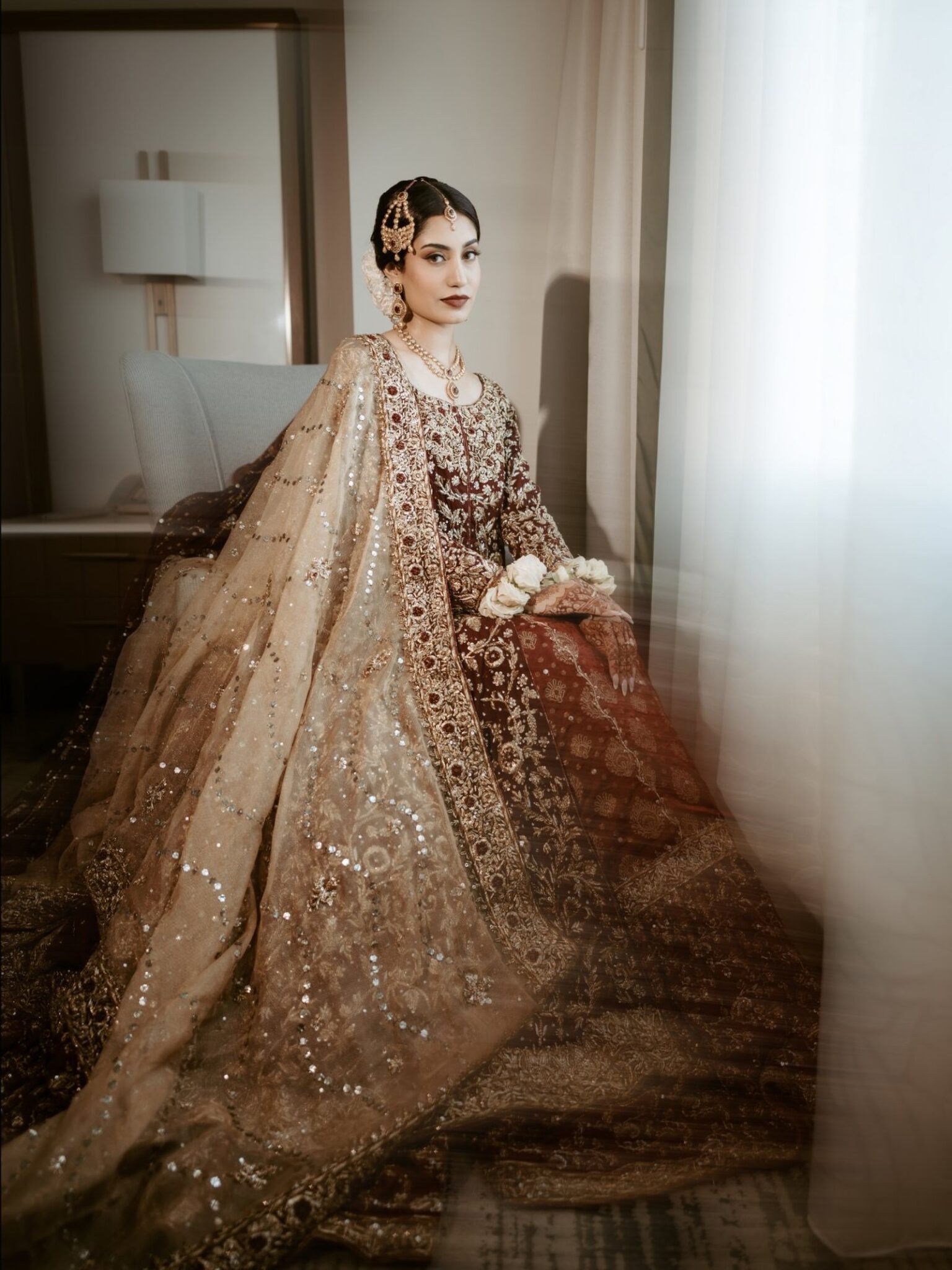
- Getting ready. Bridal makeup for a South Asian wedding often takes two to three hours. Covering the last hour of it, plus the outfit and jewelry, adds time at the start of the day.
- Ceremony length. A Hindu ceremony often takes 1.5 to 2.5 hours. An Anand Karaj is usually about an hour, with the milni before and langar after. Many nikkahs take 45 minutes to an hour.
- Guest count and family size. More guests means a longer entrance, more stage photos and more family groups.
- Travel between locations. A gurdwara or masjid in the morning and a hotel in the evening adds driving time, and a gap in the middle.
- Portraits. Sunset couple portraits are often the most loved photos of the day. Make sure the coverage reaches sunset.
- When coverage ends. Many couples end after the first hour of open dancing. If you want the send-off or the last dance, add the hours.
Sample plan: one-day wedding
A single-day wedding with the ceremony and reception at the same resort is common in Florida. A typical plan looks like this:
- Getting ready and details: 1.5 hours
- Baraat or groom’s arrival, ceremony and family groups: 3 to 4 hours
- Break for the couple to change and rest: 2 to 3 hours (coverage can pause or continue with candids)
- Sunset portraits and reception: 4 to 5 hours
- Total: about 10 to 14 hours, depending on the break
On a long single day, two photographers make a big difference. One can cover the bride getting ready while the other is with the groom, and the team can rotate breaks without missing a moment.
Sample plan: two-day wedding
- Day one: mehndi or sangeet in the evening, 3 to 4 hours
- Day two: getting ready, ceremony, portraits and reception, 10 to 12 hours
- Total: about 13 to 16 hours
Sample plan: three-day wedding weekend
- Friday evening: mehndi or garba, 3 to 4 hours
- Saturday morning: haldi or pithi, 2 hours
- Saturday evening: sangeet, 4 hours
- Sunday: getting ready, baraat, ceremony and family groups, 6 to 8 hours
- Sunday evening: reception, 4 to 5 hours
- Total: about 19 to 23 hours across the weekend
Every family is different, so treat these as starting points. Your own number depends on the events you choose and how long each one actually runs. A good photographer will build the plan with you from your real schedule.
Where couples often under-plan
- Start time. Coverage often starts too late to capture the bride’s final touches, the jewelry and the first look with parents.
- Sunset. If the ceremony runs late and coverage ends at 6 PM, you may lose the golden hour portraits.
- The groom’s side. With one photographer, the groom getting ready and the baraat compete with the bride’s getting ready.
- Separate haldis. If the bride and groom have haldis at different times or places, both need coverage.
- Family groups. A list of 15 to 25 groups usually takes 30 to 45 minutes. Larger lists need more time.
- Delays. South Asian weddings almost always run late. A buffer of 30 to 60 minutes on the wedding day is wise.
Do you need the same hours for film?
Usually yes. The film team covers the same events as the photo team, because the best film moments, such as the vows, speeches and dances, happen at the same time as the best photos. With a film booking you receive a 4K film and a highlight film. Read our photography and videography guide or see our South Asian wedding films.
How many photos will you receive?
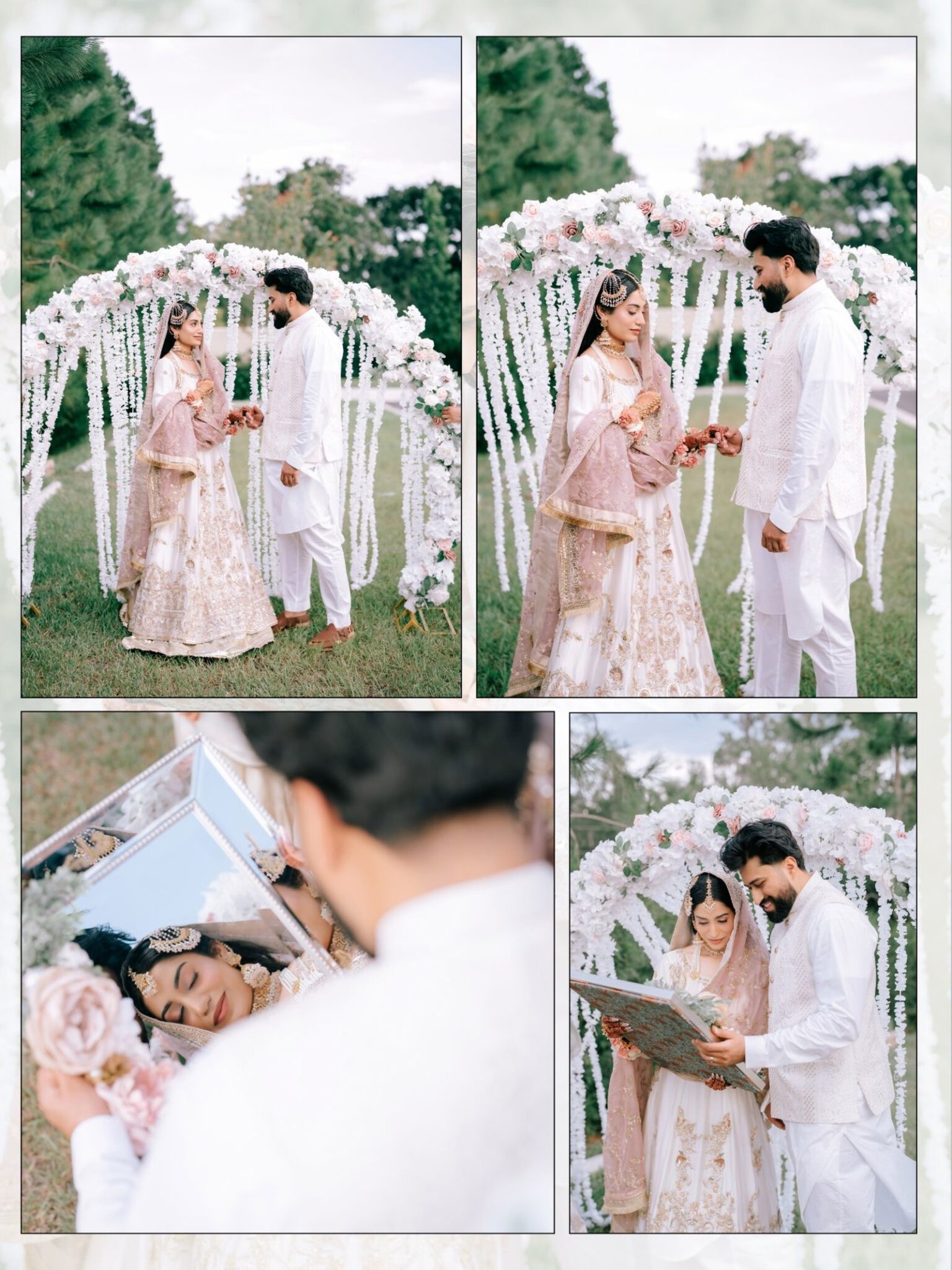
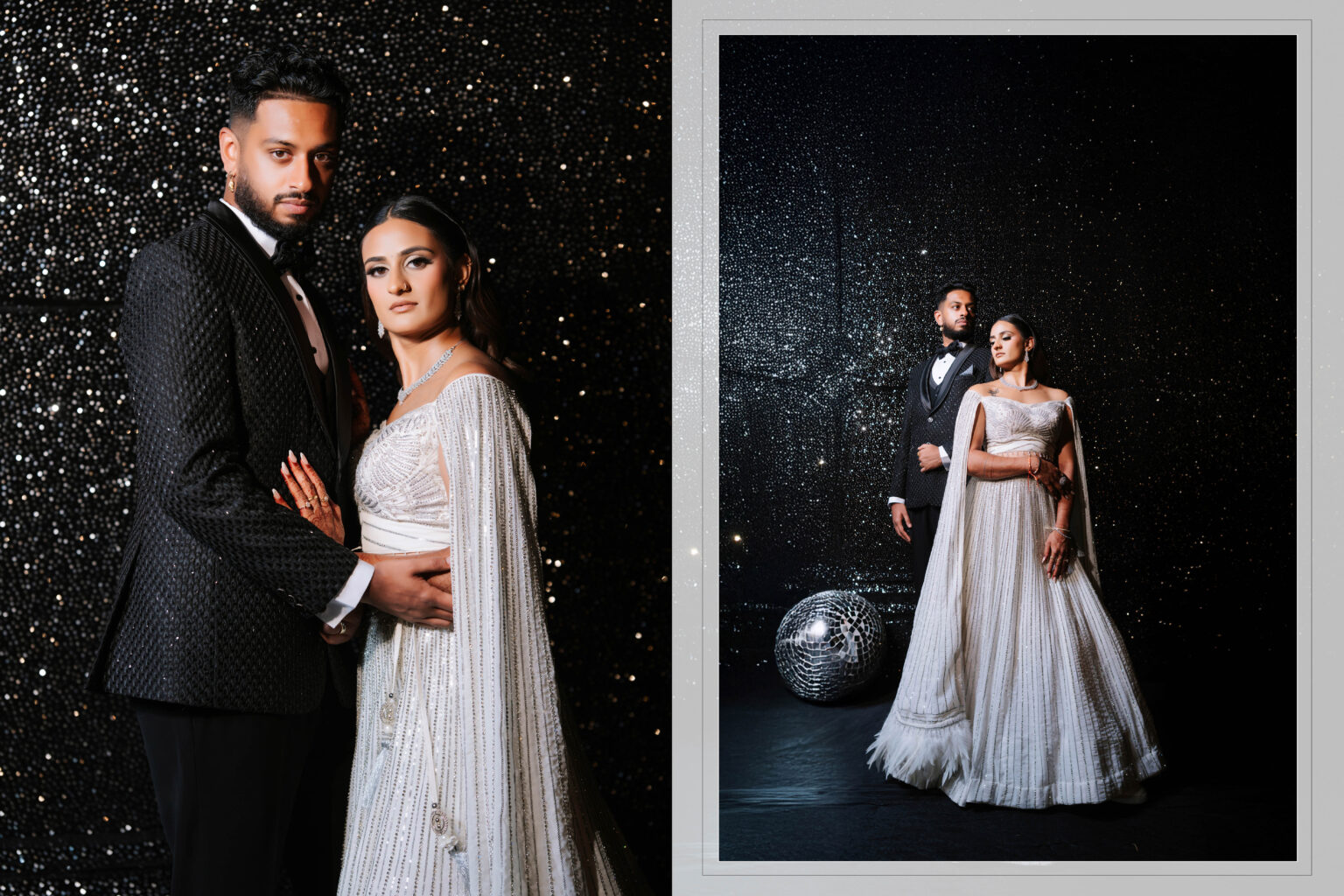
A typical South Asian wedding with our team delivers around 2,000 to 3,000 edited images, depending on the number of events and hours. Photos are usually ready in about 8 to 12 weeks, and films in about 12 to 16 weeks.
How to plan your coverage hours
- Write down every event with its start time, end time and location.
- Add getting ready time before the first event of each day.
- Check the sunset time for each date and make sure portraits fit before it.
- Mark the moments you cannot miss, such as a grandparent’s blessing or a surprise dance.
- Share it with your photographer. We send a planning questionnaire about a month before the wedding to confirm every detail.
Our guides to mehndi, haldi, sangeet, baraat and reception photography go into each event in detail. When you know your dates, you can check your date with us.
Frequently asked questions
How many hours of photography does an Indian wedding need?
Most South Asian weddings need about 2 to 4 hours for a mehndi, 1.5 to 2.5 for a haldi, 3 to 5 for a sangeet, 6 to 9 for the wedding day and 4 to 5 for the reception.
How many hours of coverage for a full Indian wedding weekend?
A three-day weekend with a mehndi, haldi, sangeet, ceremony and reception is often around 19 to 23 hours in total, depending on how long each event runs.
How many hours for a same-day ceremony and reception?
About 10 to 14 hours in total, including getting ready, the ceremony, family groups, a break, sunset portraits and the reception.
Do we need a second photographer?
For most South Asian weddings it helps. A second photographer covers the groom’s side, the baraat and wide angles while the lead stays with the bride or the couple.
Should photo and film coverage be the same hours?
Usually yes, because the best film moments, such as the vows, speeches and dances, happen at the same time as the best photos.
How many photos do you get from an Indian wedding?
A typical South Asian wedding with our team delivers around 2,000 to 3,000 edited images, depending on the number of events and hours.
Not sure how many hours you need?
Based in Orlando, Florida, we travel for weddings anywhere in the USA. Send us your events and dates and we will help you plan coverage that fits your wedding. We reply within 24 to 48 hours.