Planning guide
Indian Wedding Photography Timeline: A Sample Multi-Day Schedule
By Noor K Photography ·
An Indian wedding photography timeline is the hour-by-hour plan that tells your photographer, videographer, planner and family where everyone needs to be across the wedding weekend. South Asian weddings usually run over two to four days, with a mehndi, a haldi or pithi, a sangeet or garba, the baraat, the ceremony and the reception. This guide gives you a sample schedule, how many hours of coverage each event usually needs, and the small timing choices that make the biggest difference to your photos.
How many hours of coverage does an Indian wedding need?
Every family is different, but most South Asian weddings fall into a clear pattern. The wedding day itself is the longest, because it holds the getting ready, the baraat, the ceremony, portraits and often the reception. The smaller events are shorter but busy. Use these ranges as a starting point, then adjust them to your own schedule:
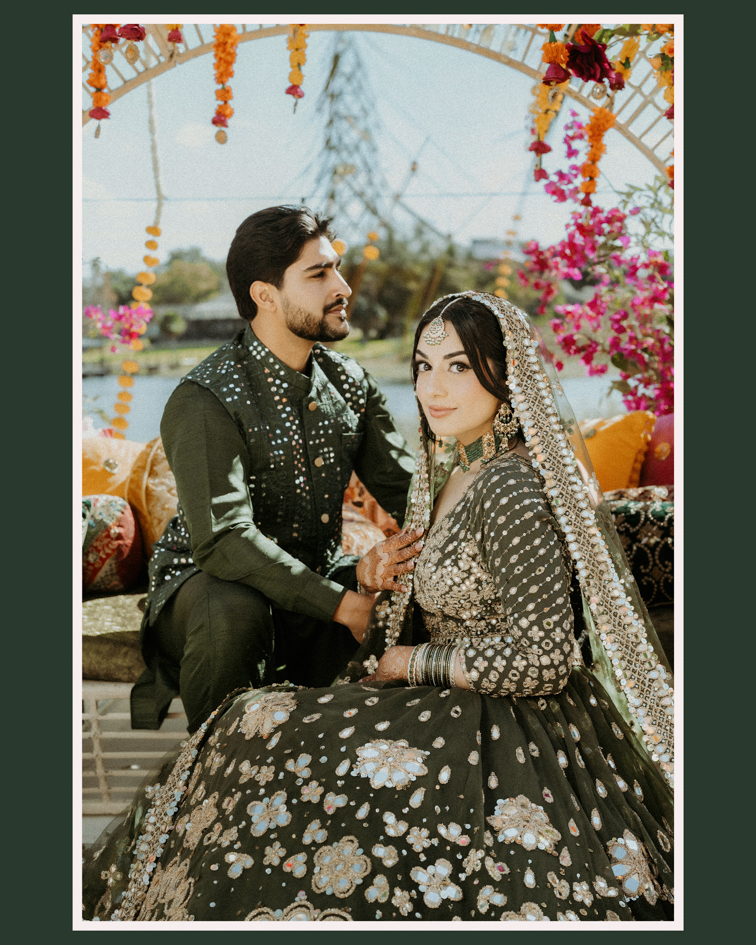
- Mehndi: 2 to 4 hours. Enough for decor, the bride’s henna, family dancing and couple portraits.
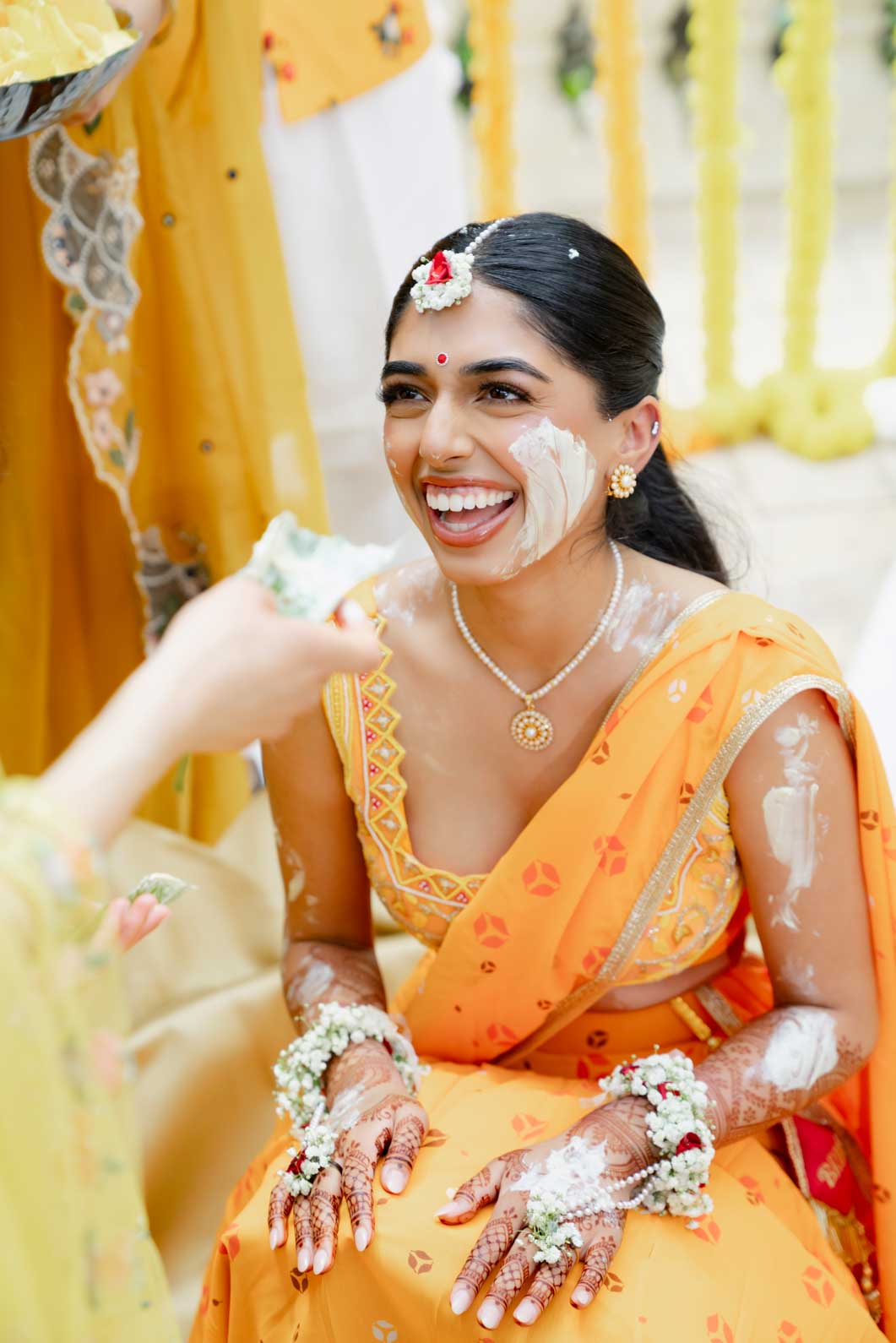
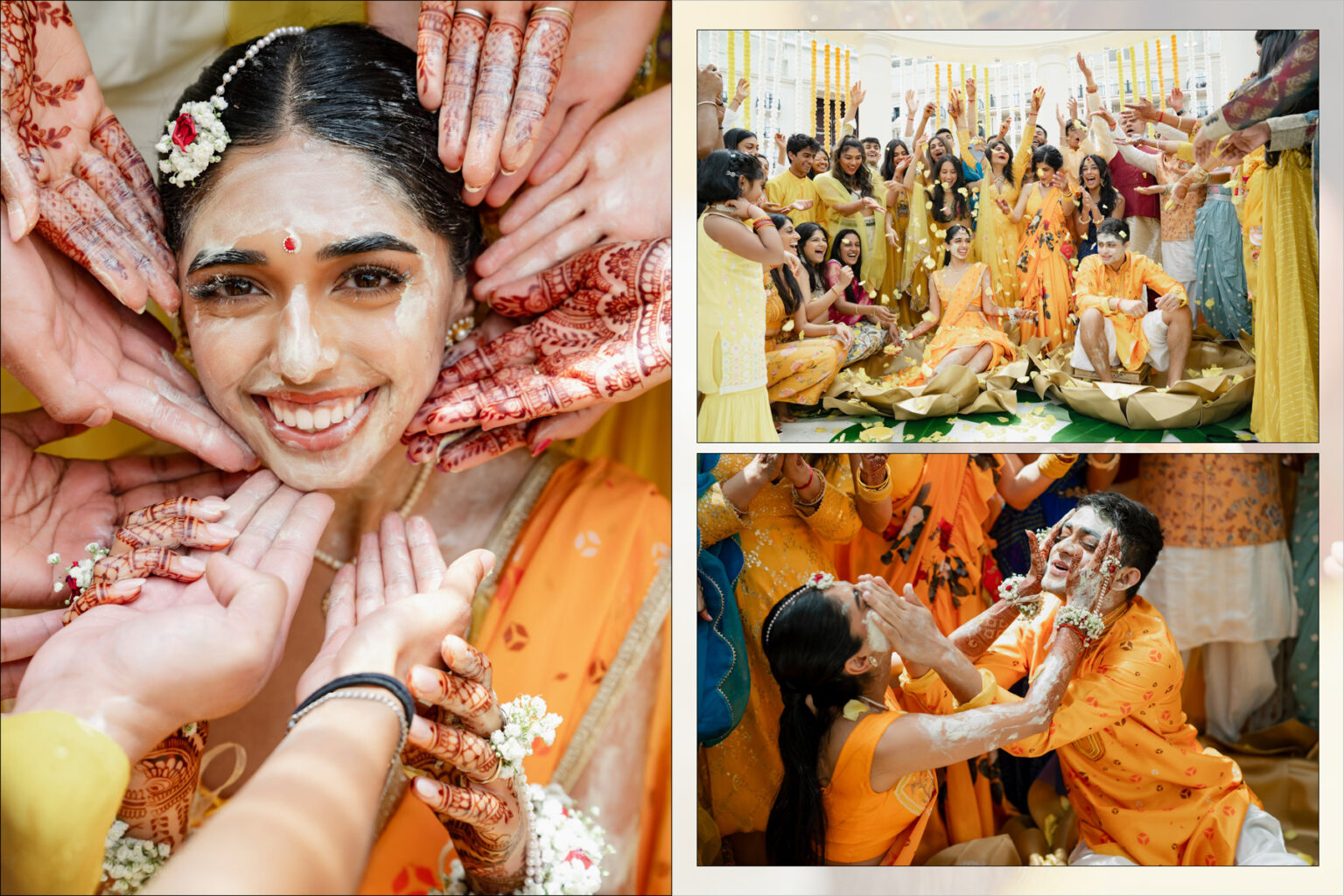
- Haldi or pithi: 1.5 to 2.5 hours. It moves fast, and the best moments happen in the first hour.
- Sangeet or garba: 3 to 5 hours. Performances, the couple’s entrance, dancing and speeches.
- Wedding day (getting ready, baraat, ceremony, portraits): 6 to 9 hours.
- Reception: 4 to 5 hours, from the grand entrance through the first hour of open dancing.
- Same-day ceremony and reception: 10 to 14 hours in total, often split between two teams.
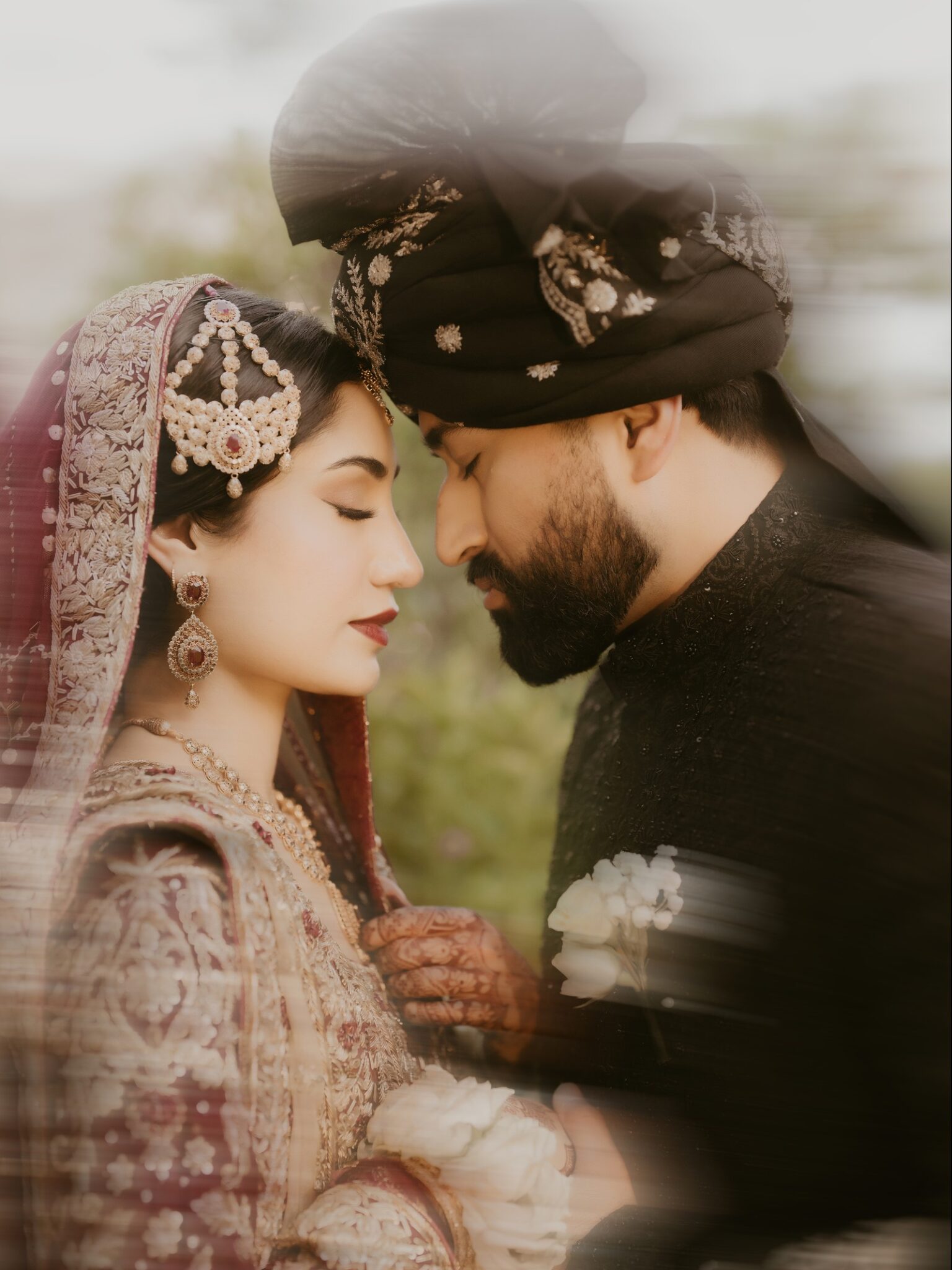
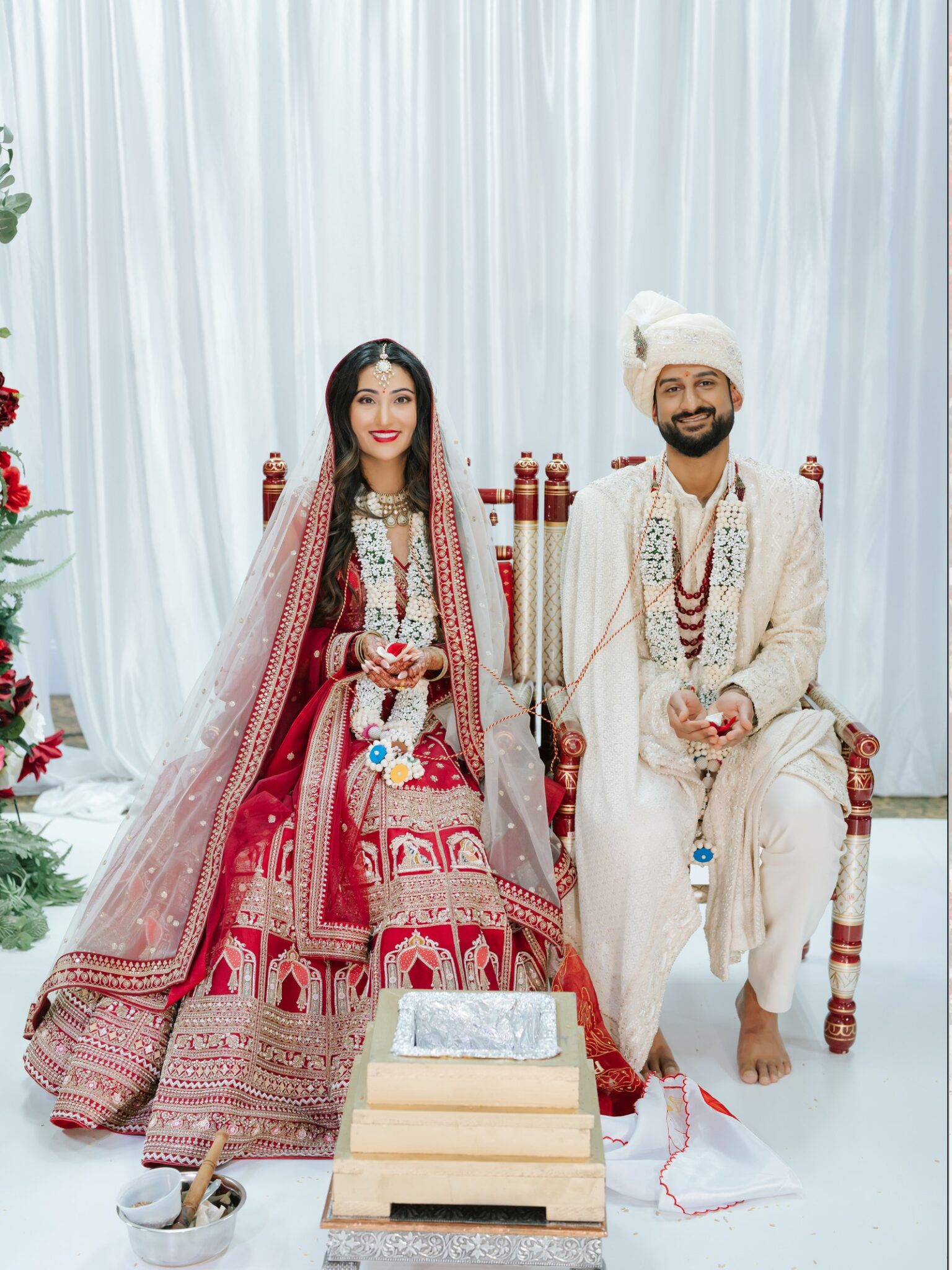
Ceremony length depends on the tradition. A Hindu ceremony with all its rituals often takes 1.5 to 2.5 hours. A Sikh Anand Karaj itself usually lasts about an hour, but with the milni before it and langar after it, plan two to three hours at the gurdwara. A nikkah is often shorter, around 45 minutes to an hour, but the rukhsati and portraits add time around it.
A sample three-day Indian wedding photography timeline
Here is a realistic weekend for a Hindu or Sikh wedding at a Florida resort. Times are examples only. Your priest, granthi or imam, your venue and your muhurat will shape the real schedule.
Day 1: Mehndi (evening)
- 4:30 PM: Photo and film team arrives. Decor, stage, florals and details before guests come in.
- 5:00 PM: Bride’s henna application continues. Close-ups of the design, hands and jewelry.
- 5:30 PM: Couple portraits in the last soft light, 20 to 30 minutes.
- 6:30 PM: Guests arrive. Candids, family groups, dhol and dancing.
- 8:30 PM: Coverage ends after the main dance performances.
Day 2: Haldi in the morning, sangeet at night
- 10:00 AM: Haldi or pithi. Plan it outdoors in open shade, before the midday sun.
- 11:30 AM: Coverage ends. Give the couple time to rest and clean up.
- 6:30 PM: Sangeet or garba. Couple’s entrance, family performances, speeches, open dancing.
- 10:30 PM: Coverage ends.
Day 3: Wedding day and reception
- 8:00 AM: Bride getting ready: outfit, jewelry, dupatta pinning, final touches.
- 8:30 AM: Groom getting ready: sherwani, safa or turban tying, sehra.
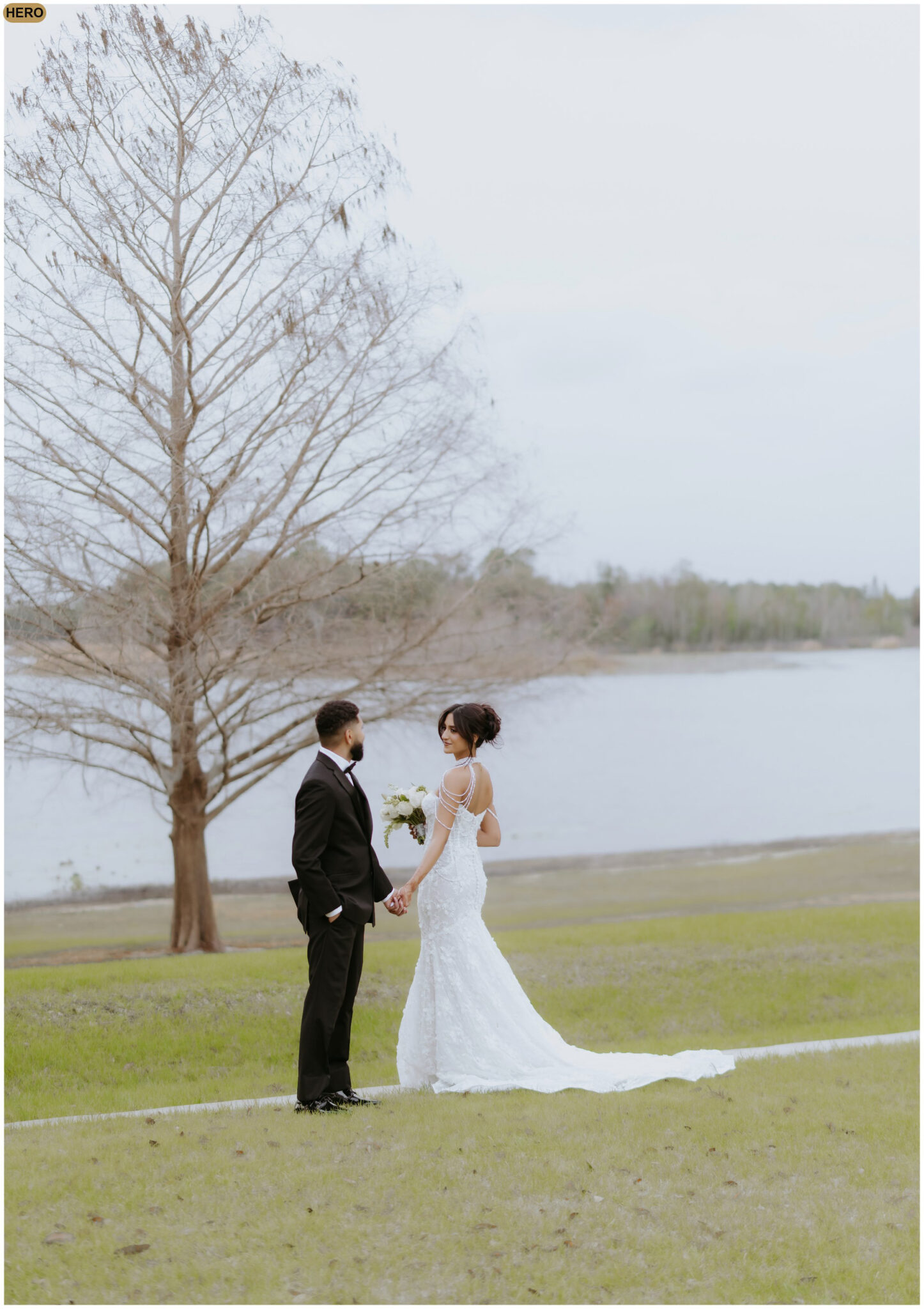
- 9:30 AM: First look and couple portraits (optional), then wedding party portraits.
- 10:30 AM: Baraat. Plan 45 to 60 minutes from line-up to arrival at the ceremony.
- 11:30 AM: Milni and welcome.
- 12:00 PM: Ceremony. Pheras, laavan or nikkah, depending on your tradition.
- 2:00 PM: Family portraits, then a short couple session.
- 3:00 PM: Vidaai or rukhsati, or a break before the reception.
- 6:30 PM: Reception: details, cocktail hour, grand entrance, first dance, speeches, cake, open dancing.
- 11:00 PM: Coverage ends.

Timing tips that change your photos
- Build in buffer time. Indian weddings almost always run late. Add 15 to 30 minutes between big moments, especially before and after the baraat.
- Plan outdoor portraits for the morning or the hour before sunset. Florida midday sun is harsh, and summer storms often arrive in the afternoon.
- Keep family portraits right after the ceremony, while everyone is dressed and in one place. Share a written list ahead of time.
- Ask your venue early about the baraat route, horse or car, dhol and the time it is allowed to start.
- If you have a fire ceremony indoors, confirm the venue’s rules so the agni can be part of the photos.
- Give your photographer meal breaks that line up with your own dinner, so they are back before speeches and dances.
Want to see how this looks in real life? Amen and Shoaib’s three-day South Asian wedding at Signia by Hilton and Waldorf Astoria Orlando followed a mehndi, nikkah and shaadi schedule much like this one, and Tiffany and Haimchand’s two-day West Indian wedding at Ocoee Lakeshore Center shows a shorter version.
Shorter versions: two days or one day
Not every family needs three days. A two-day wedding often puts the mehndi and haldi on day one, with the haldi in the morning and the mehndi in the evening, and the ceremony and reception on day two. A one-day wedding usually starts with a short haldi or getting ready in the morning, then the baraat, the ceremony, portraits and the reception in the evening. The fewer the days, the more important the buffers become, because every delay pushes into the next event.
- Two days: day one haldi (morning) and mehndi or sangeet (evening); day two getting ready, baraat, ceremony, portraits and reception.
- One day: getting ready and a short haldi, baraat, ceremony, family portraits, a break, then the reception.
- Four days or more: add a welcome dinner, a garba, a puja, a walima or a post-wedding brunch, each with its own block of coverage.
Who needs a copy of the timeline?
Send the final timeline to everyone who has to be somewhere at a set time: your planner, photographer and videographer, hair and makeup team, DJ and dhol players, decorator, priest, granthi or imam, and the venue’s event manager. Also give a short version to the people who gather the family: parents, siblings and the cousin you have chosen to call up family groups. When everyone works from the same timeline, the day runs calmer and the photos show it.
Same-day ceremony and reception, or separate days?
Many Florida couples hold the ceremony and reception on the same day to keep guests at one resort. It works well, but it is a long day: plan a two to three hour break between them so the couple can change, eat and rest, and so the ballroom can be turned over. If your ceremony and reception are on different days, the wedding day becomes calmer and portraits can take more time.
Our team photographs and films weddings across Florida, from Orlando and Tampa to Miami and Jacksonville, and we travel for weddings anywhere in the USA. If you are planning at a Central Florida resort, our guide to Indian wedding venues in Orlando covers how venues handle the baraat and ceremony setup. For a full list of the moments to capture at each event, see our Indian wedding photography shot list.
How we build your timeline with you
About a month before the wedding, we send a planning questionnaire that covers every event, the rituals, your family photo list and the moments you do not want missed. We then go through the timeline with you and your planner so the photo and film team knows the schedule as well as you do. When you are ready, check your date with us.
Frequently asked questions
How many hours of photography does an Indian wedding need?
Most multi-day South Asian weddings need about 2 to 4 hours for the mehndi, 1.5 to 2.5 hours for the haldi, 3 to 5 hours for the sangeet, 6 to 9 hours for the wedding day and 4 to 5 hours for the reception. Your own schedule and traditions decide the final number.
When should family portraits happen at an Indian wedding?
Right after the ceremony, while the couple and family are dressed and in one place. Share a written list of groups ahead of time so it moves quickly.
How long does a baraat take?
Plan 45 to 60 minutes from line-up to the groom’s arrival, plus time for the milni. Ask your venue when the baraat may start and which route it can use.
What is the best time for outdoor portraits in Florida?
The morning or the hour before sunset. Midday sun is harsh and summer storms often arrive in the afternoon, so keep an indoor or covered backup.
When do you finalize the photography timeline?
We send a planning questionnaire about a month before the wedding, then confirm the timeline with you and your planner.
Planning your wedding weekend?
Tell us your events, dates and venue, and we will help you plan a photography timeline that fits your traditions. We reply within 24 to 48 hours.