Planning guide
Indian Wedding Photography and Videography: Do You Need Both?
By Noor K Photography ·
Indian wedding photography and videography do different jobs: photos freeze single moments you can print and frame, while a film keeps the sound, music, movement and voices of your wedding weekend. For a multi-day South Asian wedding with a baraat, a ceremony and speeches, most couples find they want both. This guide explains what each one gives you, what a highlight film, full edit and same-day edit are, and how to decide what you need.
What photography gives you
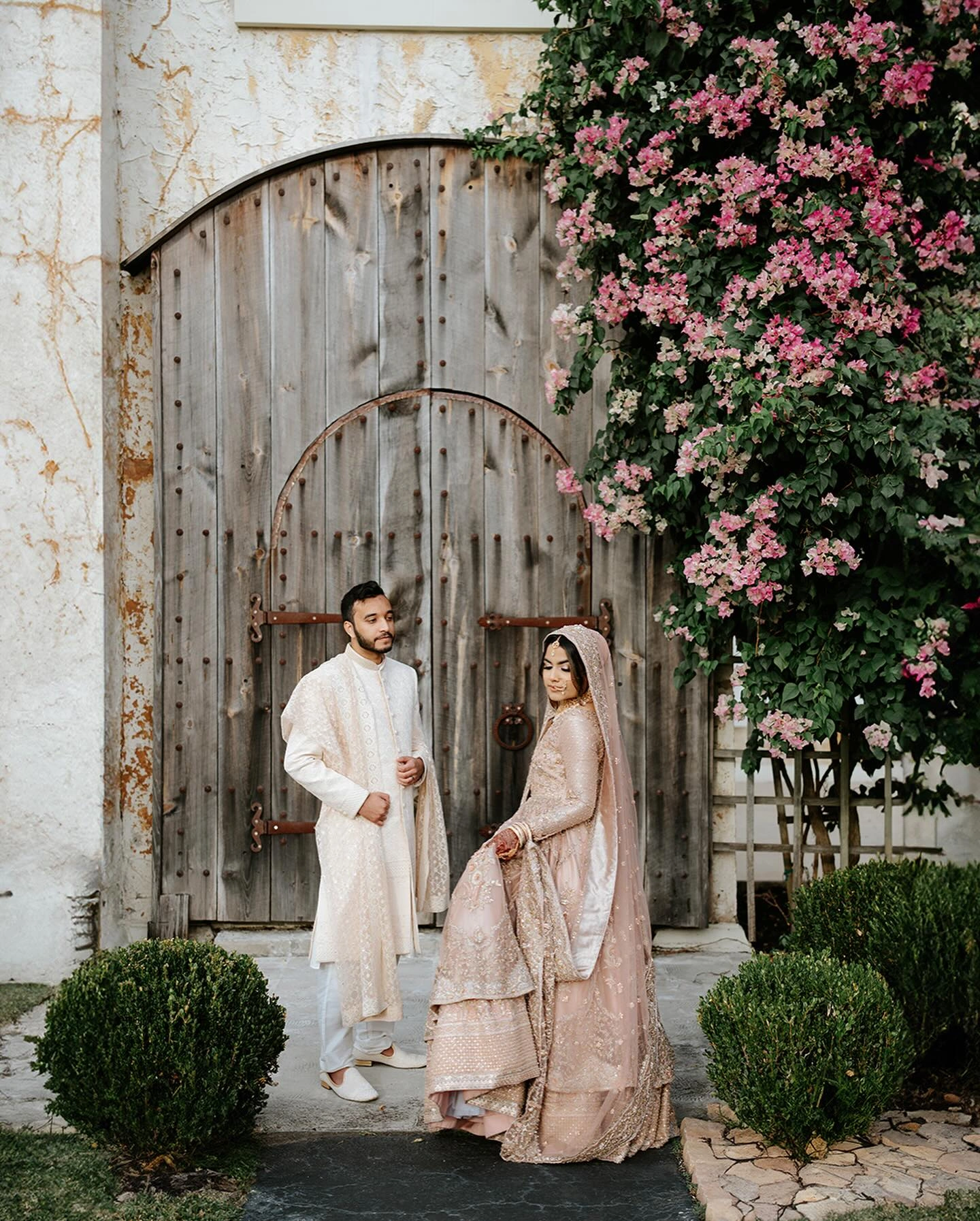
Photography gives you the images you will look at most: framed portraits on the wall, an album on the coffee table, photos to share with family abroad. A single photo can hold a whole feeling, like a father’s face during the kanyadaan or the moment of qubool. Photos are also where your family portraits live, with every aunt, uncle and grandparent in place. A typical South Asian wedding with our team delivers around 2,000 to 3,000 edited images.
What videography gives you
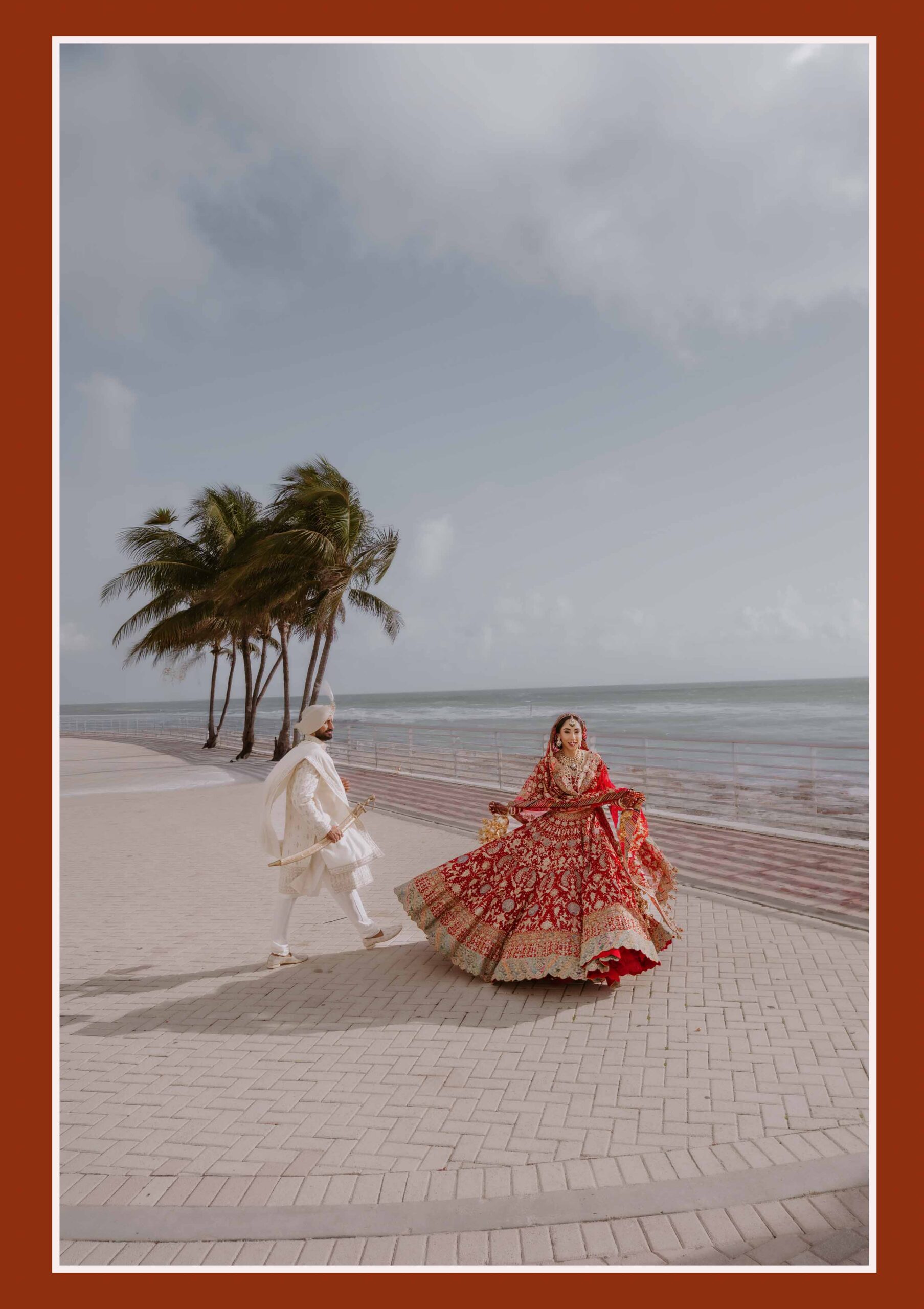
A film keeps what photos cannot: the sound of the dhol at the baraat, your vows or the laavan being sung, your father’s speech, your friends’ performance at the sangeet, the way your grandmother danced. Years later, hearing those voices again, especially of grandparents and elders, is often what makes a film so precious. Video also shows how the day felt in motion: the twirl of a lehenga, the rush of the baraat, the bhangra at the end of the night.
Highlight film, full edit and same-day edit: what is the difference?
- Highlight film: a short, cinematic film of your wedding set to music, usually a few minutes long. It mixes the best moments of every event with audio from vows, speeches and prayers. This is the film most couples share and rewatch.
- Full edit (also called a documentary or feature edit): a longer film that keeps the ceremony, speeches and performances in full, in order. It is the family record, and it is often the one parents and grandparents want.
- Same-day edit: a short film edited during the wedding day and shown to guests at the reception that same night. It usually needs an extra editor on site and careful planning, and it is a memorable moment for the room.
- Teaser or trailer: a very short clip, often for social media, delivered before the full films.
With our film bookings, a highlight film and 4K delivery are included, and a same-day edit is available as an option. Photos are delivered in about 8 to 12 weeks and films in about 12 to 16 weeks. You can watch examples on our South Asian wedding films page.
Do you need both for an Indian wedding?
If you can, yes. An Indian wedding has more sound, movement and ritual than most weddings, and many of its best moments are things you hear: the dhol, the kirtan, the dua, the speeches. If you have to choose one, think about how you will relive your wedding. If you picture prints, albums and frames, choose photography. If you picture watching it with your family and hearing the voices again, choose film.
Indian wedding photography and videography from one team
- One plan. The photographer and videographer share the same timeline, shot list and family photo list.
- Fewer people in the way. A team that works together knows how to stay out of each other’s frame during the pheras, laavan or nikkah.
- A consistent look. Colors, style and storytelling match across your photos and your film.
- One point of contact for planning and delivery, instead of two vendors to coordinate.
How photo and film work together during the ceremony
During the pheras, laavan or nikkah, space is tight and the moments are short. A coordinated team agrees ahead of time who stands where: usually one photographer and one videographer in front of the couple, and others on the sides for family reactions and wide shots. Videographers often place small fixed cameras and microphones before the ceremony starts, so they do not need to move during the most sacred moments. This keeps the aisle and the mandap, darbar hall or stage clear for your guests.
Why audio matters
Good sound is what makes a wedding film feel real. Ask how the team records the priest, granthi or imam, the vows, and the speeches at the reception. Most videographers use small wireless microphones on the groom or the officiant, plus a recorder connected to the DJ’s sound system. Tell your DJ and venue in advance so the connection is ready.
Drones
Aerial shots of a resort, a beach or a long baraat can look stunning. But many venues and gardens do not allow drones, and flying near airports and crowds has strict rules. Ask your venue first, and check that your videographer knows the local rules.
Which events need film coverage?
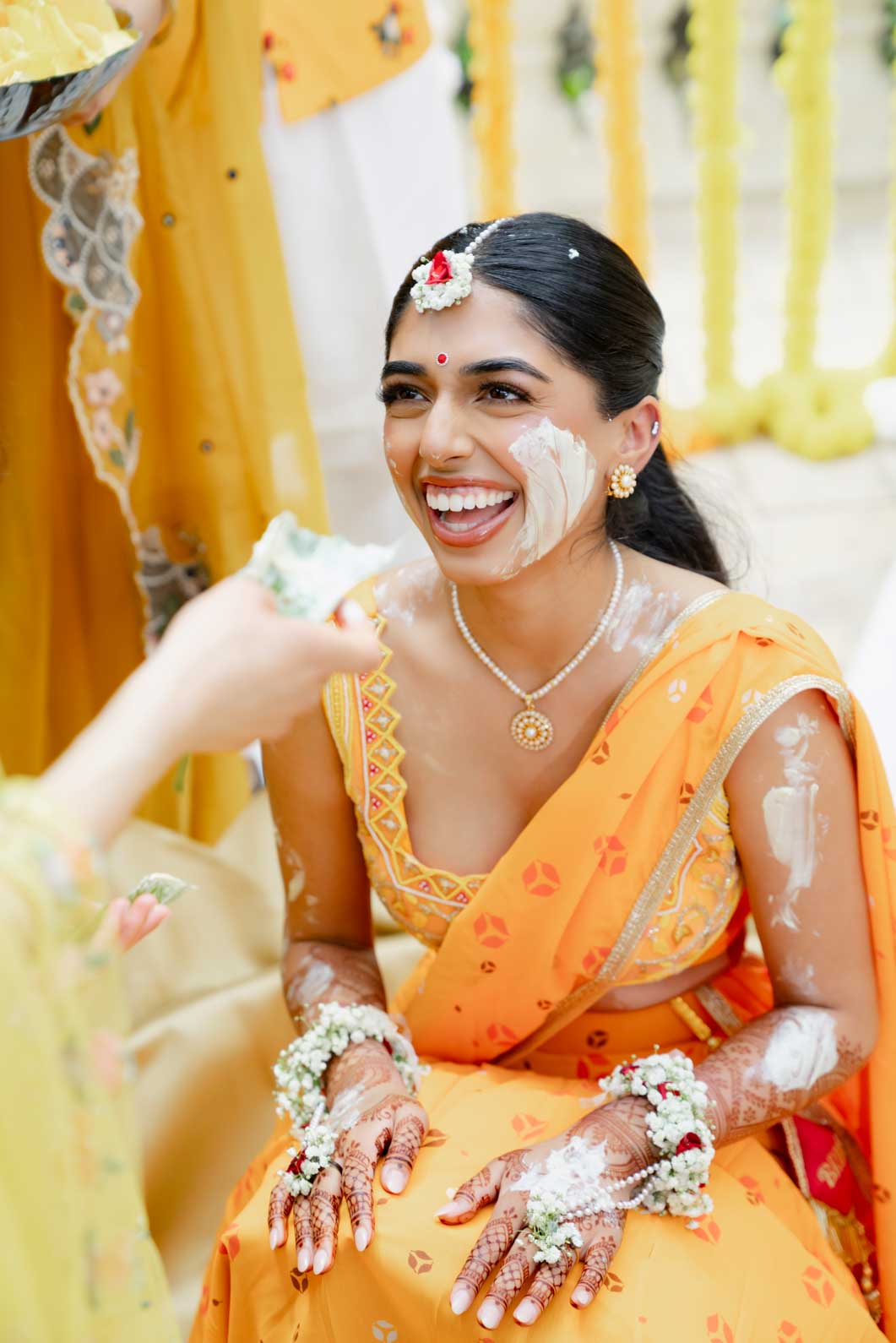
You do not have to film every event. The wedding ceremony and reception matter most, because they hold the vows, speeches and first dance. The sangeet is next, because of the performances. The mehndi and haldi are often covered by photography alone, or with short film coverage for the highlight film. Plan your coverage with our Indian wedding photography timeline.
Should every event have a film?
If you are choosing where to spend your film coverage, think about sound and movement. Events with speeches, vows, prayers and performances gain the most from film. Events that are mostly about color, decor and portraits, like a small haldi, are often well covered by photos alone. A highlight film can still include short clips from smaller events if the videographer is there for part of them.
Questions to ask about videography
- How many videographers will be at each event?
- Will the ceremony and speeches be recorded in full, with good audio?
- Is there a full edit as well as a highlight film?
- Do you offer a same-day edit, and what does it need from the venue?
- Can we choose a song for the highlight film?
- Do you use drones, and are they allowed at our venue?
- How long does film delivery take?
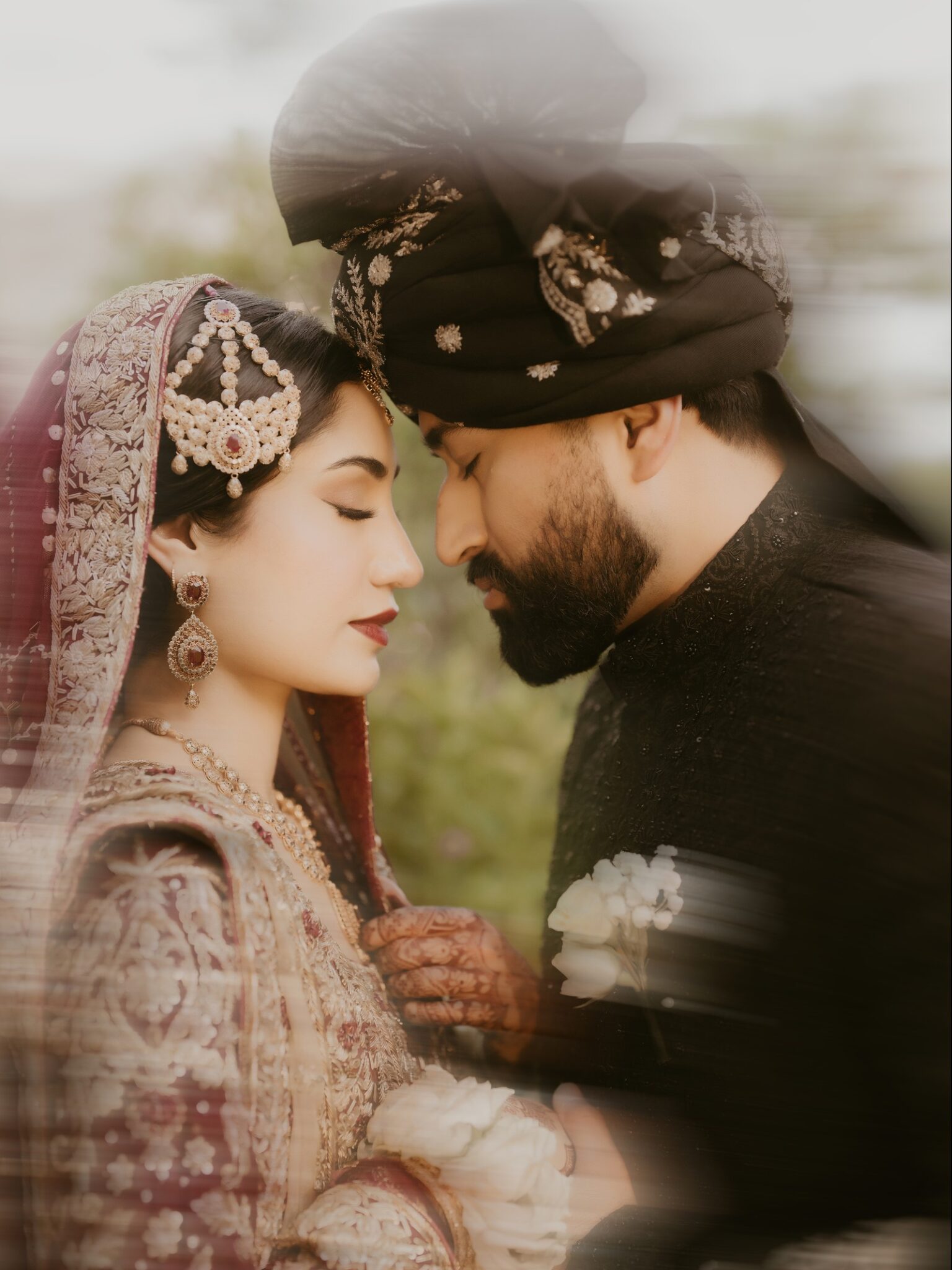
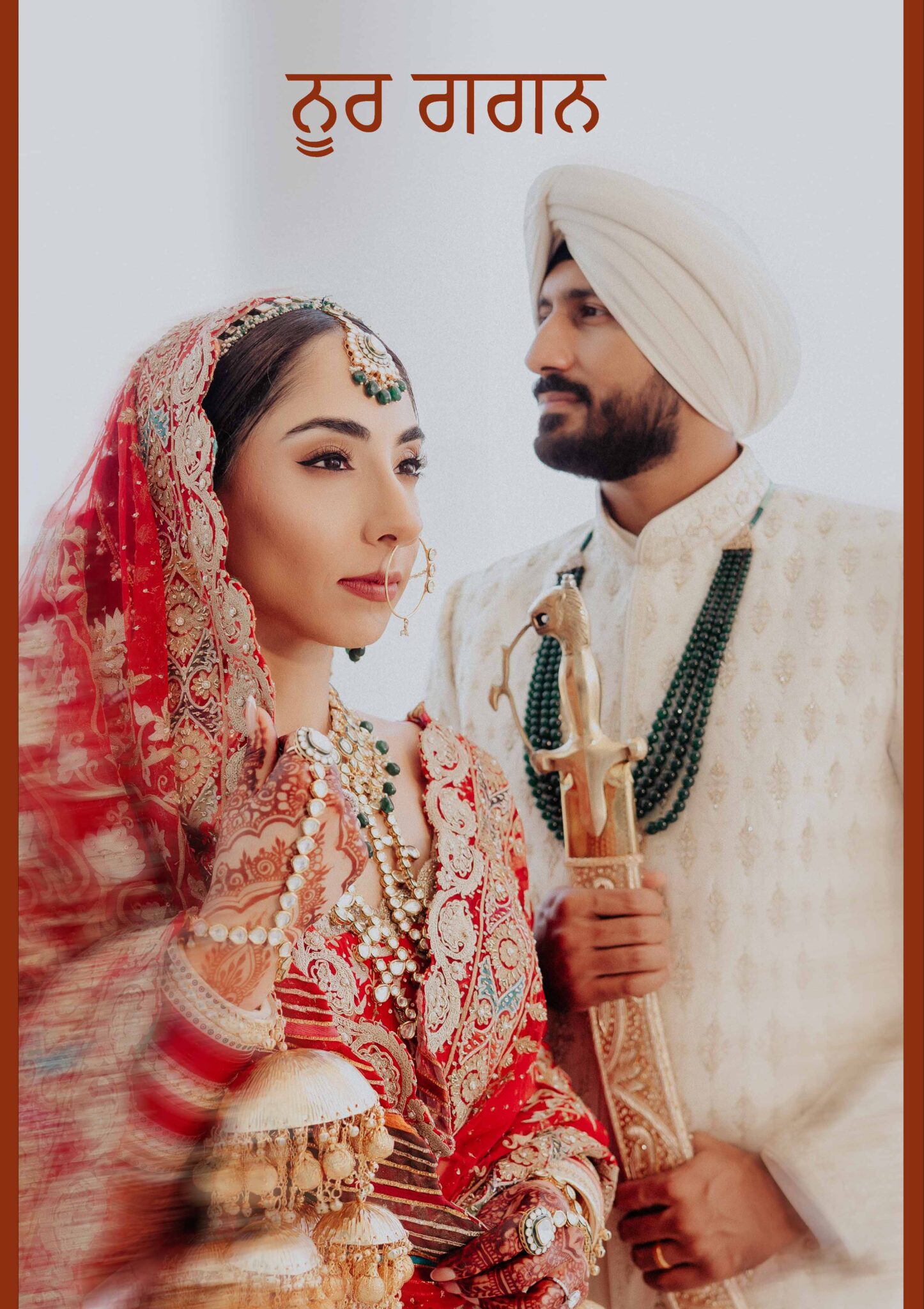
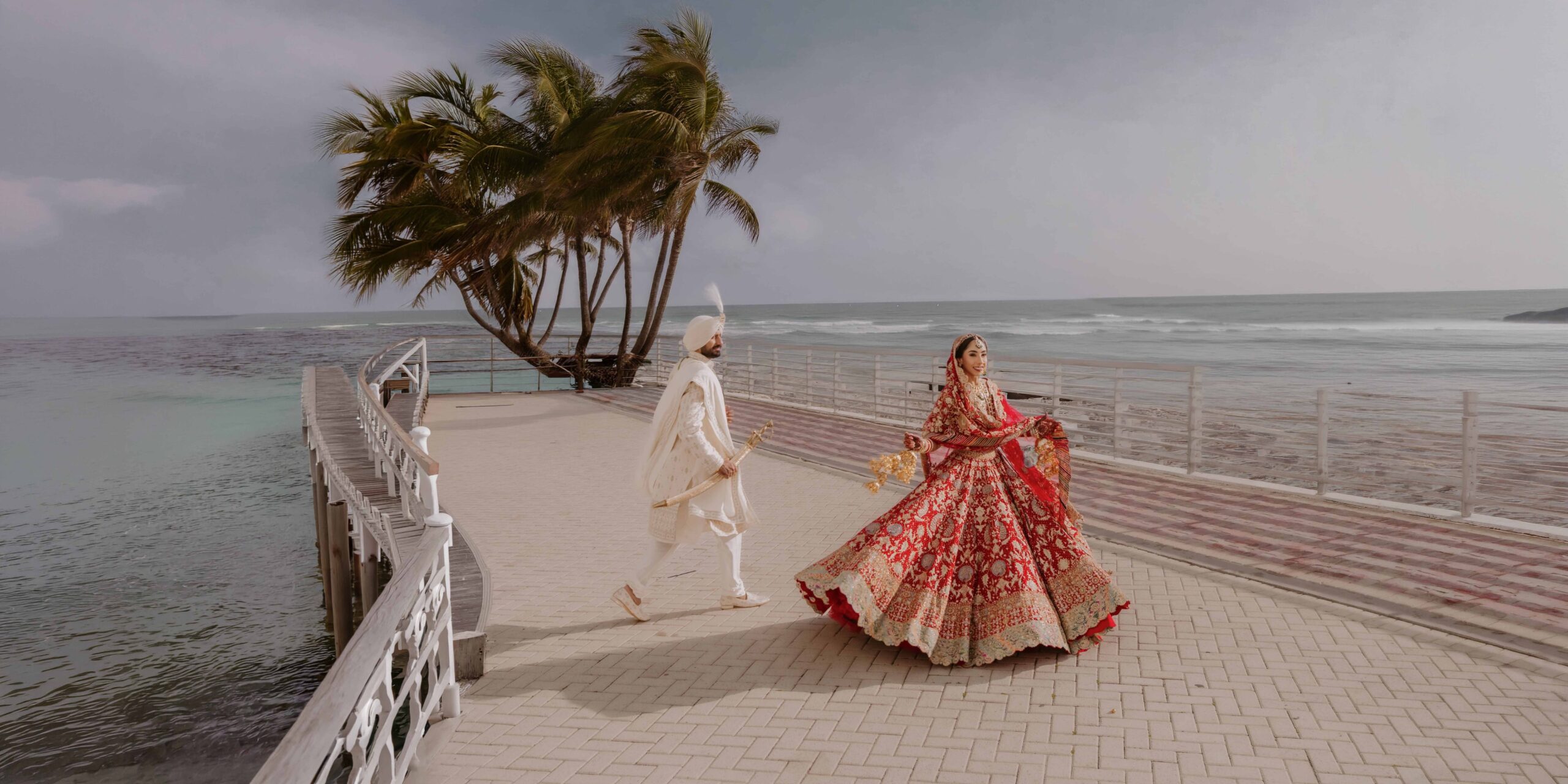
For more questions to ask any photo and film team, read how to choose an Indian wedding photographer. To see how photo and film come together across a weekend, look at Amen and Shoaib’s wedding at Signia by Hilton and Waldorf Astoria Orlando or Gagan and Noor’s Sikh wedding at The Diplomat Beach Resort.
Frequently asked questions
Do I need a videographer for my Indian wedding?
For most multi-day South Asian weddings, yes. Video keeps the sound of the dhol, the vows or laavan, the speeches and the performances, which photos cannot hold.
What is a highlight film?
A short, cinematic film of your wedding set to music, usually a few minutes long, mixing the best moments of every event with audio from vows and speeches.
What is a same-day edit?
A short film edited during the wedding day and shown at the reception that same night. With our film bookings it is an optional add-on.
How long does it take to receive the wedding film?
Our films are delivered in about 12 to 16 weeks, and photos in about 8 to 12 weeks.
Is a highlight film included with film coverage?
Yes. With our film bookings, a highlight film and 4K delivery are included.
Can I book only photography for some events and both for others?
Yes. Many couples book photo and film for the ceremony, sangeet and reception, and photography only for smaller events like the mehndi or haldi.
Want photo and film from one team?
We photograph and film South Asian weddings across Florida, in Atlanta and anywhere in the USA. Tell us your dates and events and we will reply within 24 to 48 hours.