Photography guide
Baraat Photography Guide: Horse, Dhol, Milni and Timing
By Noor K Photography ·
Baraat photography captures the groom’s procession to the wedding: the horse or car, the dhol, the dancing family and friends, and the moment the two families meet at the entrance. It is loud, fast and over in under an hour, and it is one of the few moments of the wedding that cannot be repeated. This guide explains what happens at a baraat, the photos to plan for, the hotel rules to check in Florida and where the photo and film team should be at each moment.
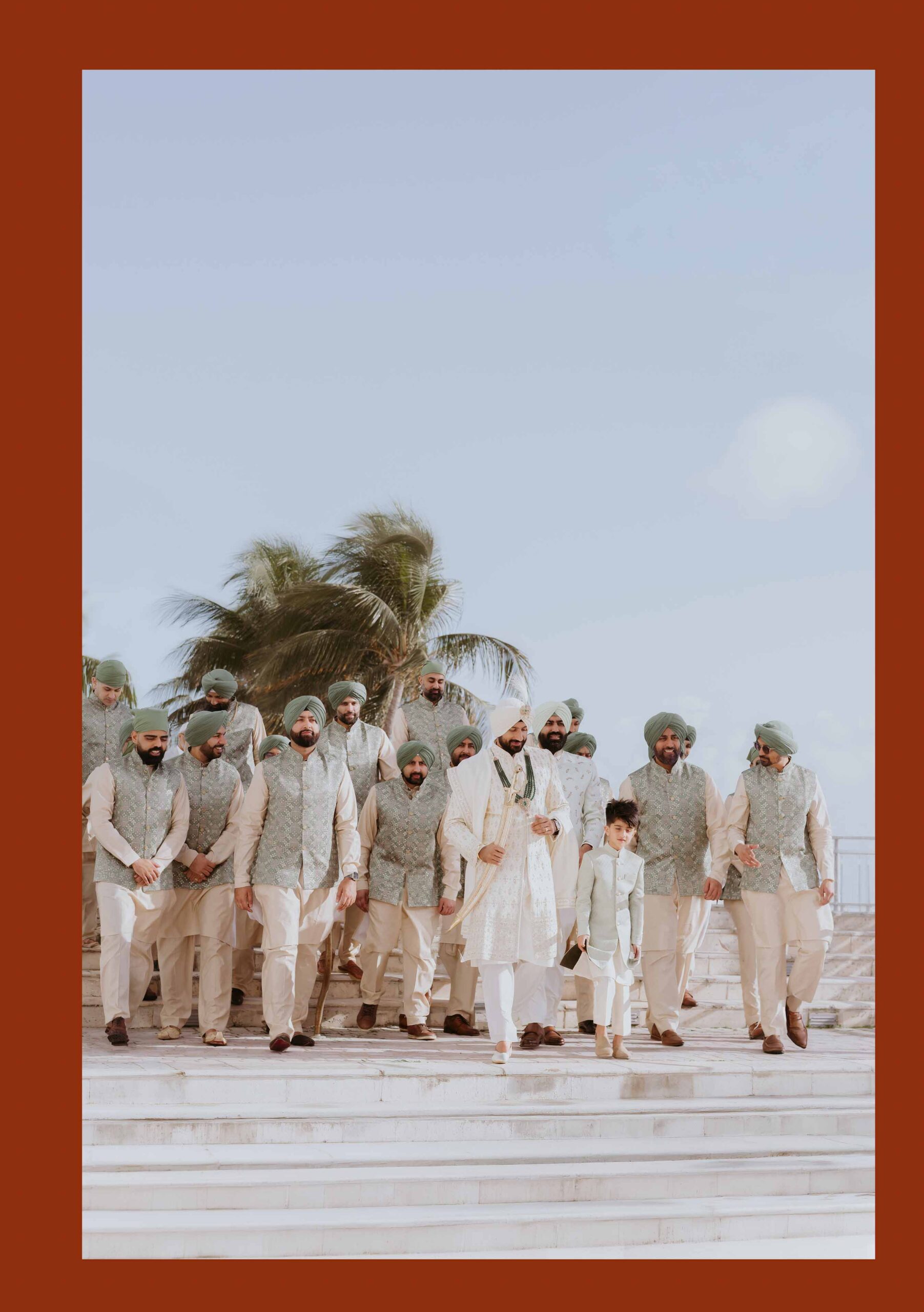
What happens at a baraat?
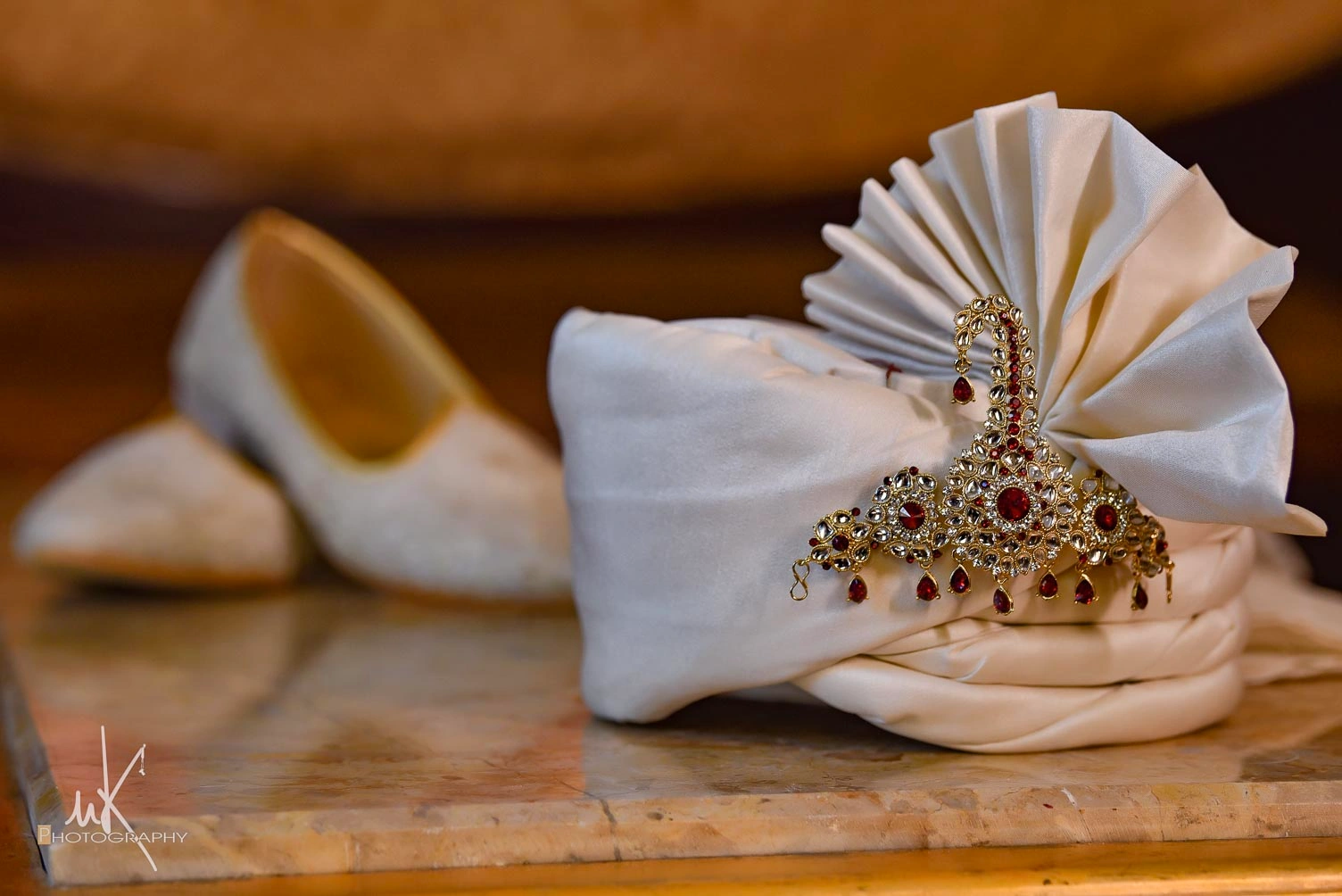
The baraat is the groom’s wedding procession. In Hindu and Sikh weddings, the groom’s family and friends gather at the hotel or a nearby meeting point and dance their way to the ceremony venue, where the bride’s family is waiting to welcome them. The groom traditionally rides a decorated horse, called a ghodi, often wearing a sehra (a veil of flowers or pearls) and a safa or turban. Many couples now choose a vintage car, a convertible or simply walk with the dancing crowd.
A dhol player or a DJ on a mobile cart keeps the energy high, and the groom’s side dances the whole way. The baraat usually ends at the entrance with the welcome rituals, and the ceremony starts soon after.
Milni and the welcome rituals
- Milni: in Sikh and Punjabi weddings, male relatives from both families are paired by relationship (fathers, then uncles, brothers and so on), exchange garlands and embrace, often lifting each other off the ground. An ardas is usually said before it.
- Aarti and tilak: in many Hindu weddings the bride’s mother welcomes the groom with an aarti plate, applies a tilak and may feed him something sweet.
- Ponkhana: in Gujarati weddings the bride’s mother performs the ponkhana, a playful welcome at the entrance, and may try to catch the groom’s nose.
- Ribbon cutting or blocking the door: in many families the bride’s sisters and cousins block the entrance until the groom pays them.
In Pakistani weddings the word baraat usually means the whole wedding event, when the groom’s family arrives at the bride’s family’s venue. It may include an arrival with the dhol, rose petals, the doodh pilai and joota chupai traditions, and the rukhsati at the end of the night. Our guide to the walima covers the reception that follows, and our Pakistani wedding photographer page explains the full order of events.
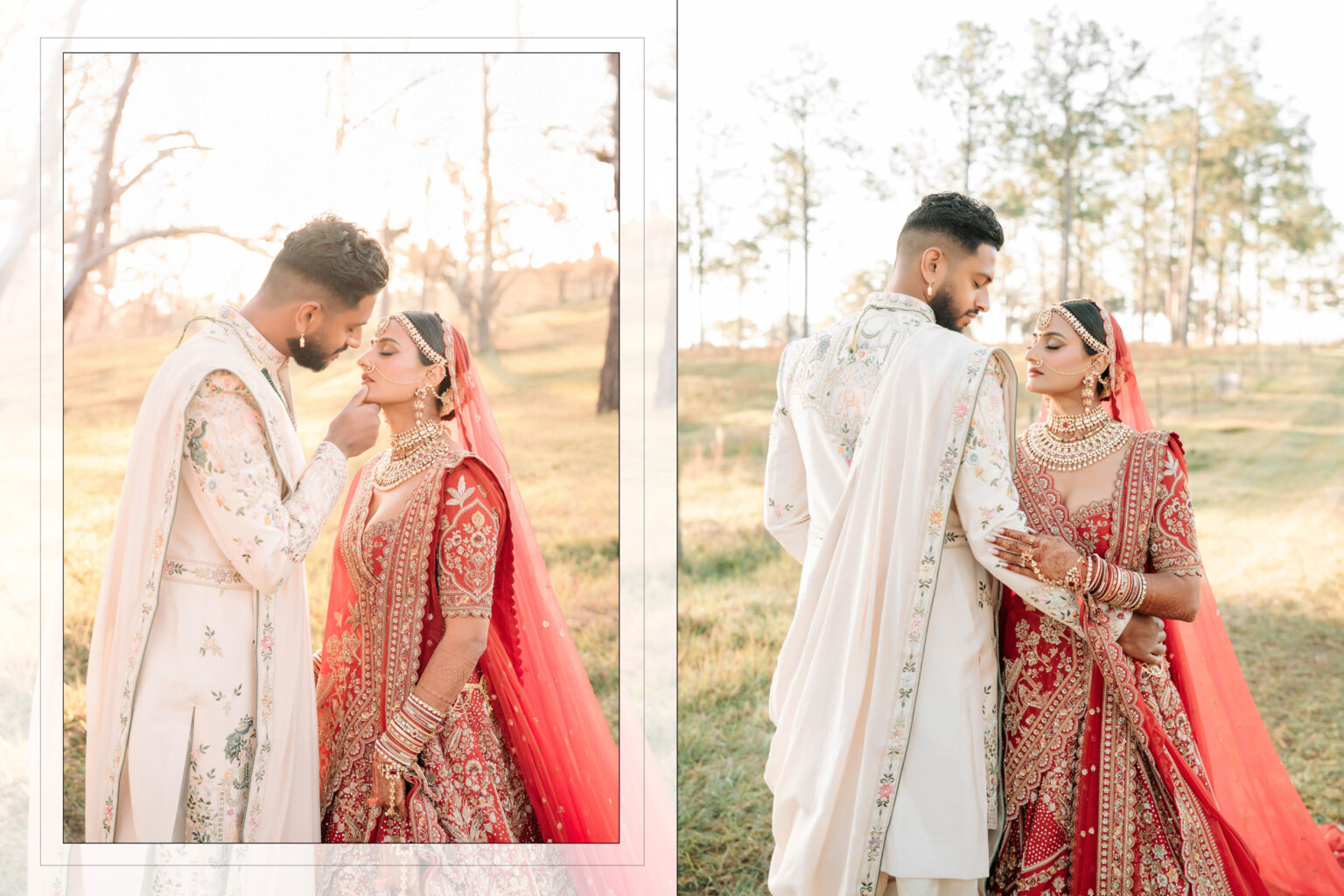
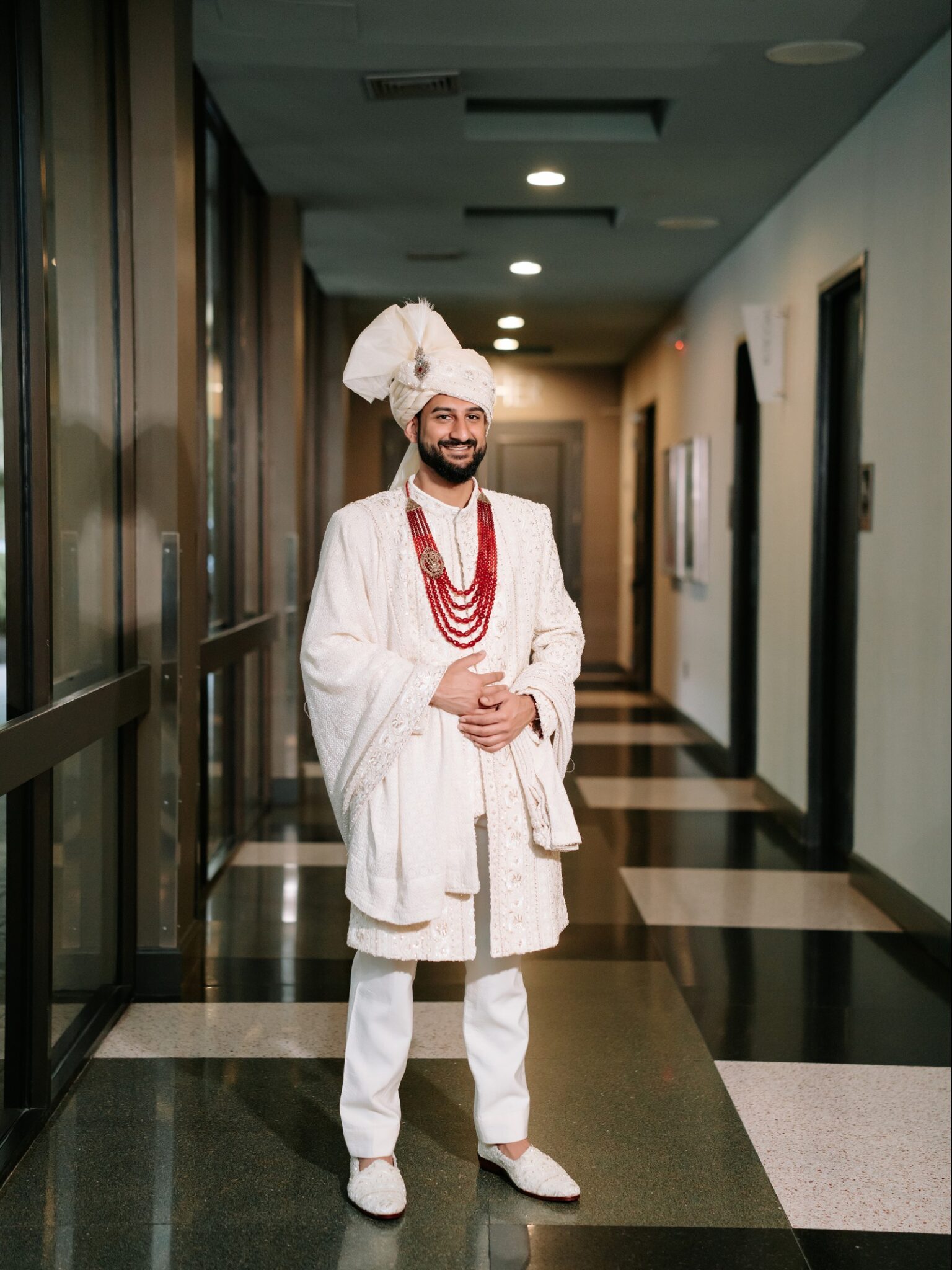
Baraat photos to plan for
- The groom being dressed in his safa, sehra and jewelry, often by his sister, brother-in-law or father
- The decorated horse or car, and the groom getting on
- Close-ups of the groom’s shoes, sword or kirpan, sehra and mala
- Wide shots of the whole procession with the venue behind it
- Parents, grandparents and siblings dancing in front of the groom
- The dhol player and the DJ cart, with the crowd around them
- The bride’s family waiting at the entrance with garlands and the aarti plate
- The milni or welcome rituals, with both families in the frame
- The bride watching from a window or balcony, if she wants to
Hotel and venue rules to check before the baraat
Most Florida resorts that host Indian weddings know baraats well, but every venue has its own rules, and they can change. Ask your event manager early, and share the answers with your planner, dhol player, horse vendor and photographer.
- Is a horse allowed, and on which surfaces? Many hotels allow horses only on driveways or parking areas, not on lawns or marble.
- What does the horse vendor need to provide? Venues often ask for proof of insurance and a cleanup plan.
- What is the approved route, and how long can it be? Some venues set a time limit for music and dancing outdoors.
- Are there noise limits, quiet hours or rules about other guests at the resort?
- Are fireworks, cold sparks, confetti, colored smoke or flower petal cannons allowed? Many venues restrict some or all of them.
- Is there shade or a covered area where elders can wait, and a place to keep water for the dancers?
- Can a drone fly? Drones are often restricted by the venue and by FAA rules near airports and theme parks, so ask before planning aerial shots.
Baraat timing
Most baraats last about 30 to 60 minutes from the start of the music to the end of the welcome rituals. They almost always start later than planned, so build in a buffer. If your ceremony time is set by a muhurat or by the gurdwara’s schedule, start the baraat earlier than you think you need to.
- Gather the groom’s side 15 to 20 minutes before the official start, with the dhol already there.
- Keep the route short. A long walk in Florida heat tires out elders and wilts outfits and flowers.
- For a morning baraat in summer, plan water, fans and shade at the end of the route.
- Ask one person on the groom’s side to keep the procession moving when it is time.
- Tell the bride’s family when the baraat actually leaves, so they are at the entrance on time.
Where your photographer stands during the baraat
A baraat moves, so the team has to move with it. This is how a photo and film team usually covers it when there are two or more people:
- Lead photographer in front of the procession, walking backwards facing the groom, for the dancing, the family and the groom on the horse.
- Filmmaker with a gimbal close to the groom and the dhol, for movement and sound.
- Second photographer moving along the sides for wide shots, details and candid moments in the crowd.
- Before the end of the route, one person moves ahead to the entrance to capture the bride’s family waiting and the first moment the two sides meet.
- During the milni or welcome rituals, the team splits between the two families so both sides of every embrace are photographed.
With only one photographer, the most important moments are the groom’s arrival and the milni or welcome at the entrance. If the baraat and the bride’s getting ready happen at the same time, plan a second photographer. Our photography and videography guide explains how a photo and film team works together.
Tips for a baraat that photographs well
- Ask the groom’s closest family to dance at the front, near the groom. They are the faces you will want in the photos.
- Keep phones down when the groom arrives at the entrance, so guests are not holding screens in front of every face.
- Hand out safas or matching turbans to the groom’s side if you can. They look great in wide shots.
- Plan the garlands, aarti plate and milni order before the day, and give them to one person on the bride’s side.
- If the groom rides a horse, ask the vendor to bring a calm, experienced animal used to dhol and crowds.
Real baraats we have photographed
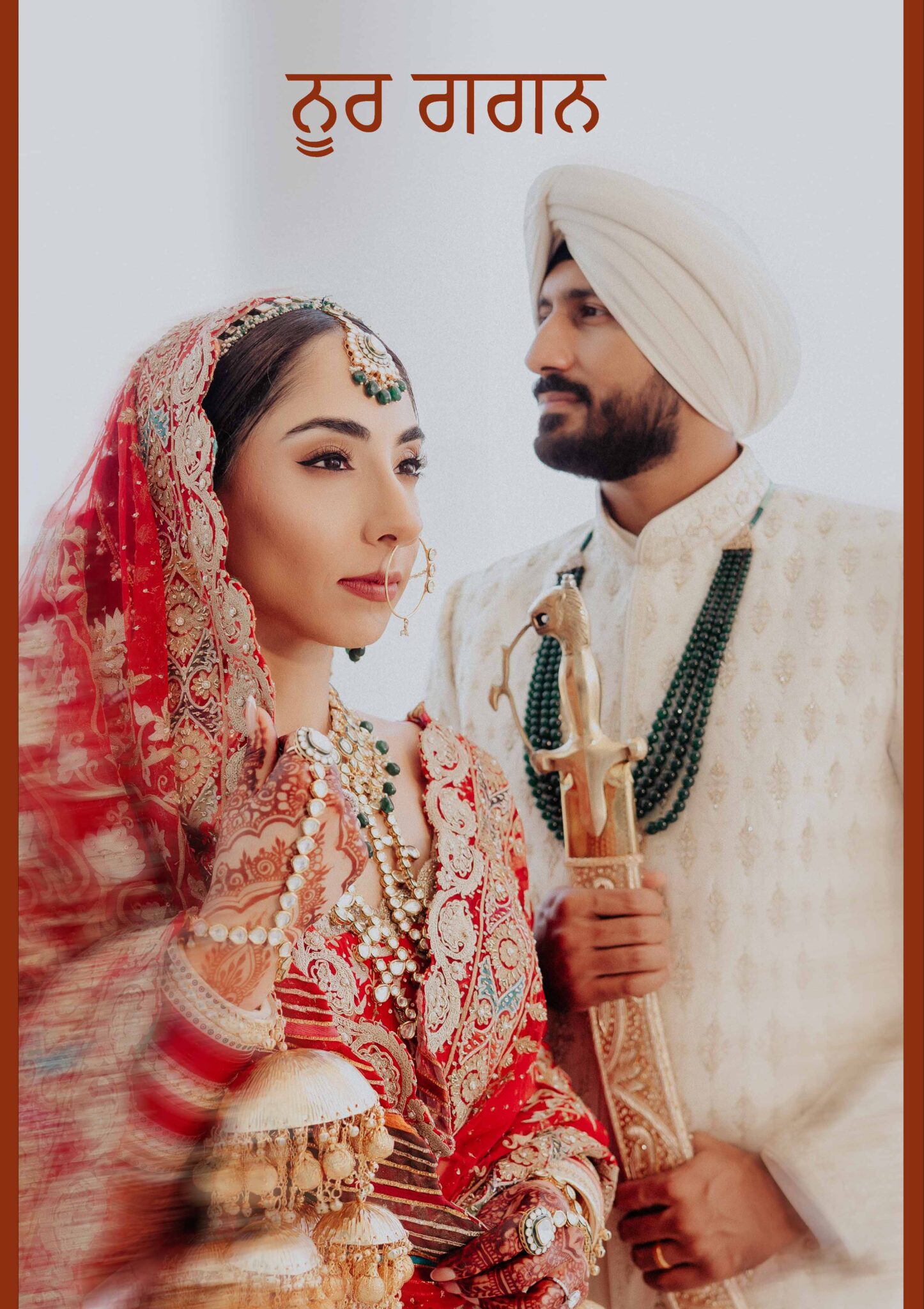
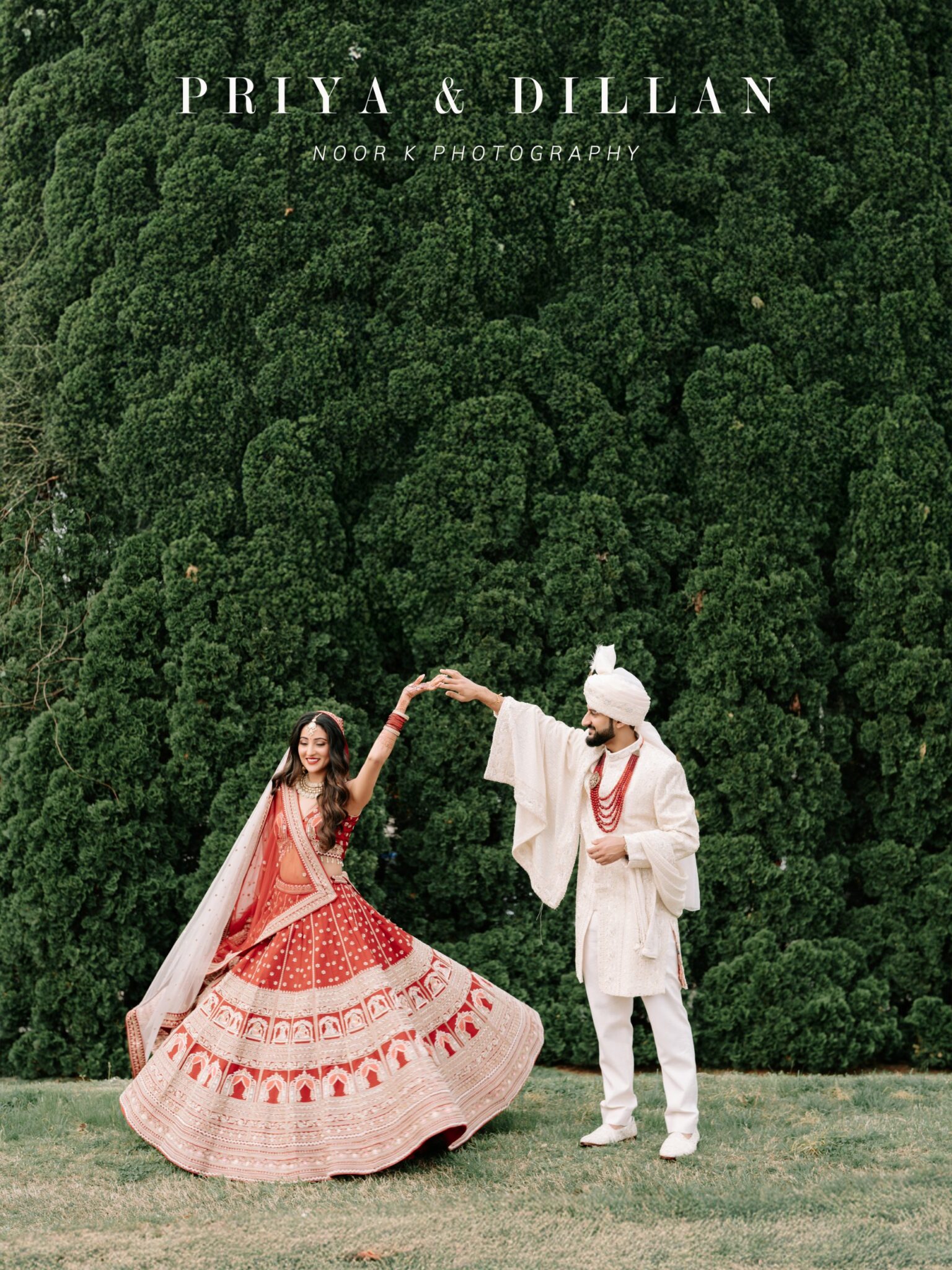
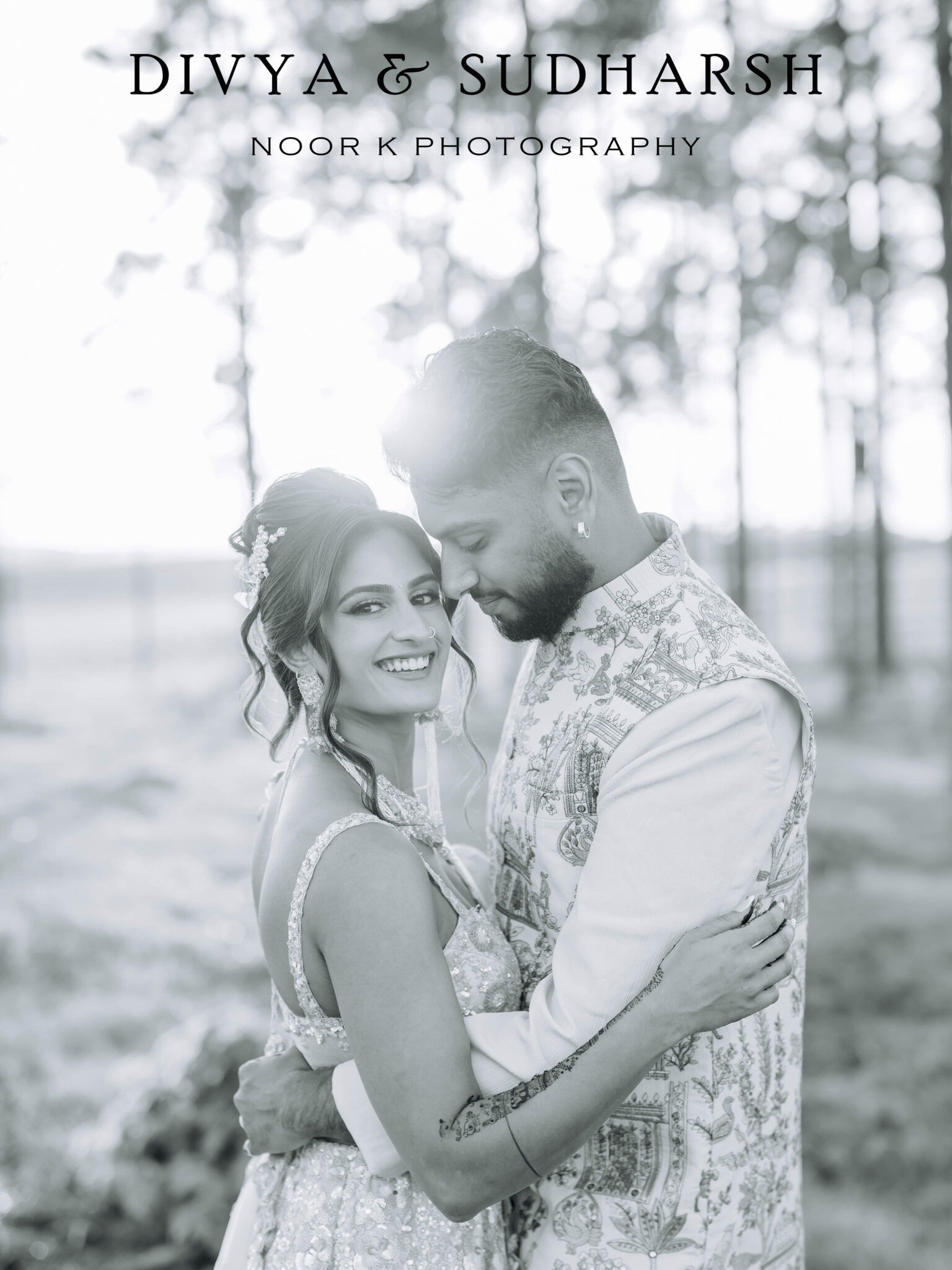
See the baraat and milni at Gagan and Noor’s Sikh wedding at The Diplomat Beach Resort, the baraat at Priya and Dillan’s Gujarati wedding in Atlanta and the arrival at Divya and Sudharsh’s backyard wedding in Tampa. After the baraat comes the ceremony: read our Anand Karaj photography guide or Hindu wedding photography guide, or see our page for Sikh wedding photography in Florida.
Frequently asked questions
How long does a baraat last?
Most baraats last about 30 to 60 minutes from the start of the music to the end of the welcome rituals. Build in a buffer, because they usually start late.
Can you have a horse at a baraat at a Florida hotel?
Many Florida resorts allow a horse for the baraat, but rules differ. Venues often limit where the horse can walk and ask the vendor for insurance and a cleanup plan. Check with your event manager.
What is a milni?
A Sikh and Punjabi welcome ritual where male relatives from both families are paired by relationship, exchange garlands and embrace as the baraat arrives.
Do we need a second photographer for the baraat?
It helps a lot. A second photographer can cover the bride’s family at the entrance, wide shots and details, or the bride getting ready if it happens at the same time.
Where should the photographer be during the baraat?
The lead photographer usually walks backwards in front of the groom, while a second photographer and the filmmaker cover the sides, the dhol and the entrance where the bride’s family waits.
What does baraat mean at a Pakistani wedding?
In Pakistani weddings the baraat is usually the main wedding event, when the groom’s family arrives at the bride’s family’s venue. It often ends with the rukhsati.
Planning your baraat?
We photograph and film baraats at resorts, hotels and gurdwaras across Florida and anywhere in the USA. Tell us your date and venue and we will reply within 24 to 48 hours.