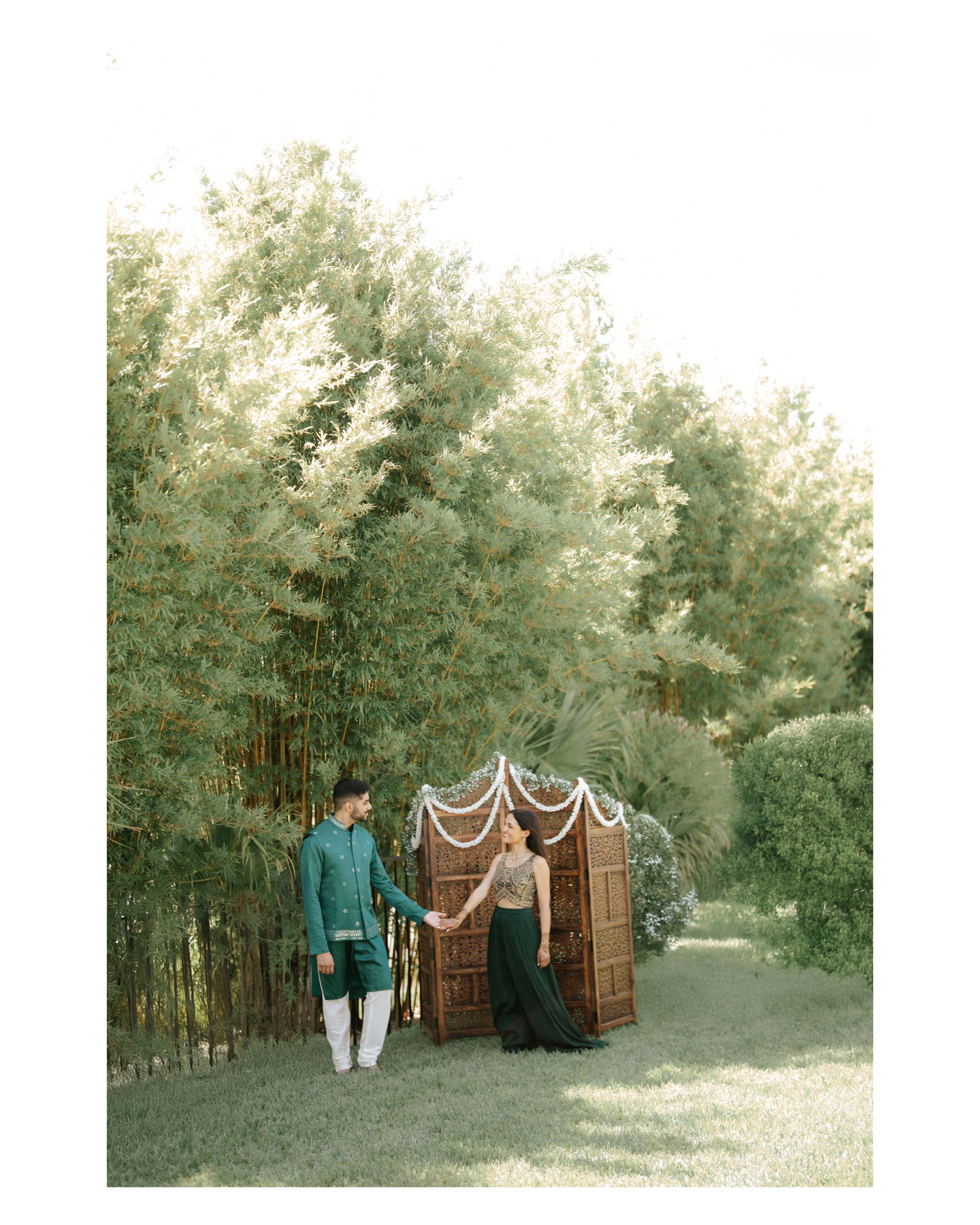
Wedding photography · Florida & USA
Indo-Caribbean Wedding Photographer: Guyanese, Trinidadian and Surinamese Weddings
By Noor K Photography ·
As an Indo-Caribbean wedding photographer based in Orlando, Florida, photographing weddings across the USA, we plan for celebrations that can run from a Friday night matikor to a Monday morning kangan, with tassa drums, chutney music and a full kitchen of family cooking in between. Guyanese, Trinidadian and Surinamese Hindu weddings carry rituals brought from India in the 1800s, shaped by more than 150 years in the Caribbean. This guide explains the main events, what to photograph at each one and how to plan a two-day or weekend-long wedding, in Florida or anywhere in the US.
What makes an Indo-Caribbean wedding different
Indo-Caribbean families descend from Indians who came to Guyana, Trinidad and Tobago, Suriname, Jamaica and other islands as indentured workers between 1838 and the early 1900s. Most came from what is now Uttar Pradesh and Bihar, and many wedding songs and words still come from Bhojpuri. Over generations the rituals mixed with Caribbean life: tassa drumming, chutney and soca music, curry and roti served on a lotus or banana leaf, and a love of big, open-house celebrations. Large Guyanese and Trinidadian communities live in New York, New Jersey, Florida and beyond, and weddings in the US often combine a traditional Hindu ceremony with an American-style reception.
Customs vary a lot. A Guyanese Sanatanist family, a Trinidadian Arya Samaj family and a Surinamese Hindustani family may use different names, different songs and a different order. Many families follow the advice of their pandit, and some keep traditions their grandparents brought from the islands. The best plan is a short list from your pandit and your elders, shared with your photographer.
The traditional weekend
In Guyana and Trinidad, a Hindu wedding traditionally runs from Friday to Monday, with each side holding its own events at home. Families in the US often shorten this to two days, or hold the home events in a backyard or community hall. A typical order looks like this:
Matikor (Friday night)
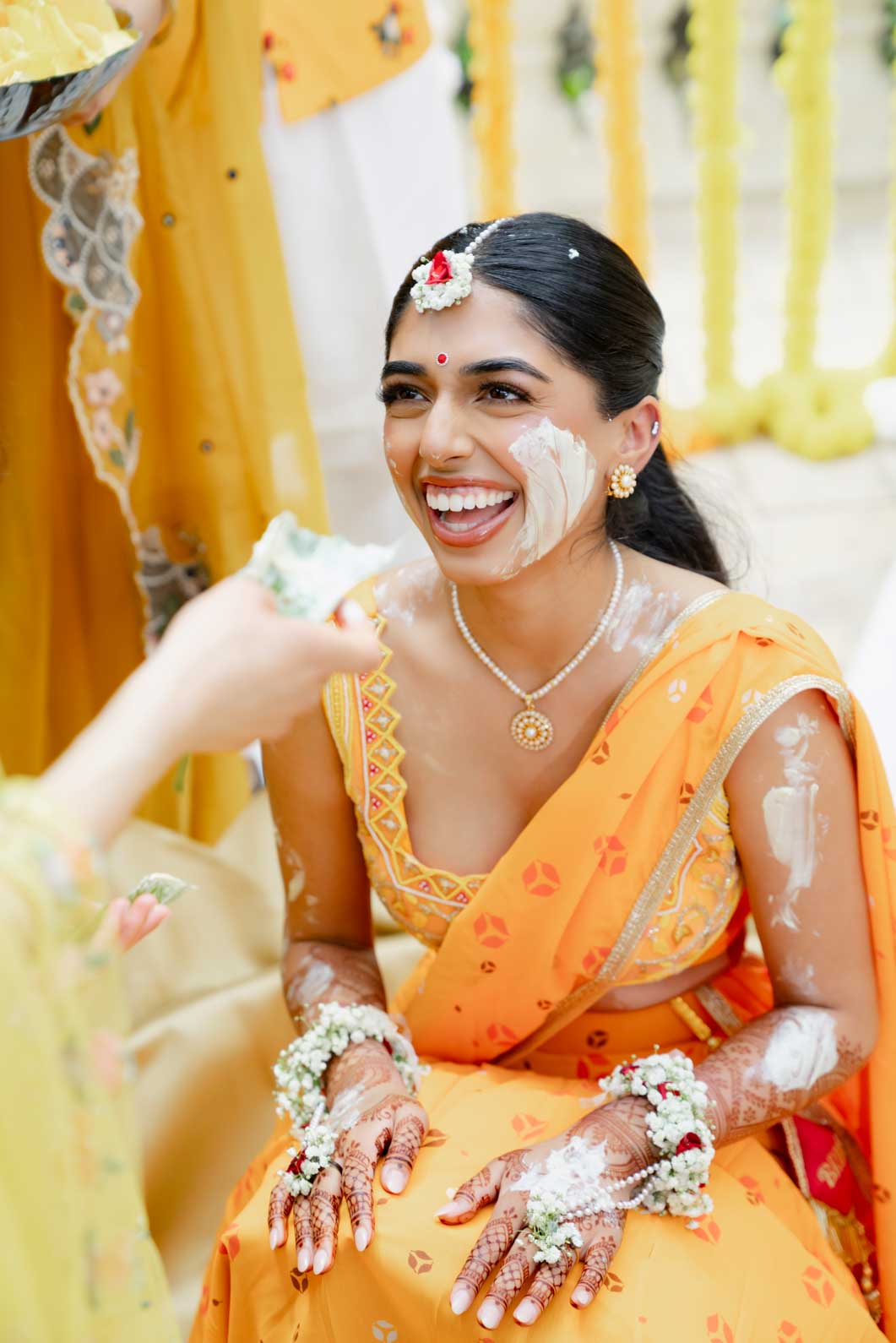
The matikor, also spelled maticoor or called dig dutty in Trinidad, is a women’s ceremony held at both homes. Married women walk in a procession to a nearby spot, often with tassa drums, to dig a little earth and offer prayers to Mother Earth, and they bring the earth back for the ceremony. Back home, the bride or groom is rubbed with haldi, and there is singing, dancing and teasing songs. It is loud, joyful and full of color, and the procession and the dancing make great photos and film.
Cook night (Saturday night)
Saturday is cook night. Family and friends gather to cook the wedding food, often seven curry, dhal and rice, and to peel, chop and stir in big pots over open fires. The groom’s family may also hold the bhatwan, a dinner and music night with chutney songs and tassa. Cook night is one of the best moments to photograph real family life: uncles at the pots, aunties singing, kids running between the tables. Ask your photographer to cover at least an hour of it.
The Hindu wedding (Sunday)
On the wedding day, the groom arrives with his family in the baraat, usually to tassa drums, and is welcomed at the bride’s home or venue in the parchhan, with the bride’s mother performing aarti. The ceremony takes place under a decorated maro or mandap, led by the pandit. The main moments in many ceremonies are:
- Puja: prayers to Ganesh and other deities to bless the wedding.
- Kanyadaan: the bride’s parents give their daughter’s hand to the groom, often pouring water over the couple’s hands. For many parents it is the most emotional part of the day.
- Lawa: the bride’s brother places parched rice (lawa) in the couple’s hands, which they offer to the sacred fire.
- Pheras: the couple walk around the fire seven times in the bhanwar, as the pandit recites the vows.
- Sindoor: the groom places sindoor in the parting of the bride’s hair, often under a cloth or sheet held over the couple. When they come out, they are married.
- Blessings: elders bless the couple and give gifts, and there is often a sweet shared between the bride and groom.
Many ceremonies also include the kangana, the cotton and turmeric thread tied on the wrist, and games and songs from the bride’s sisters and cousins. Your pandit may follow a different order.
Kangan (Monday)
The kangan is the closing event, when the bride and groom untie the kangana threads from each other’s wrists, often in a playful way, and the newlyweds are welcomed and given gifts. In some families it is a small gathering, and in others it is a party of its own.
Two-day weddings
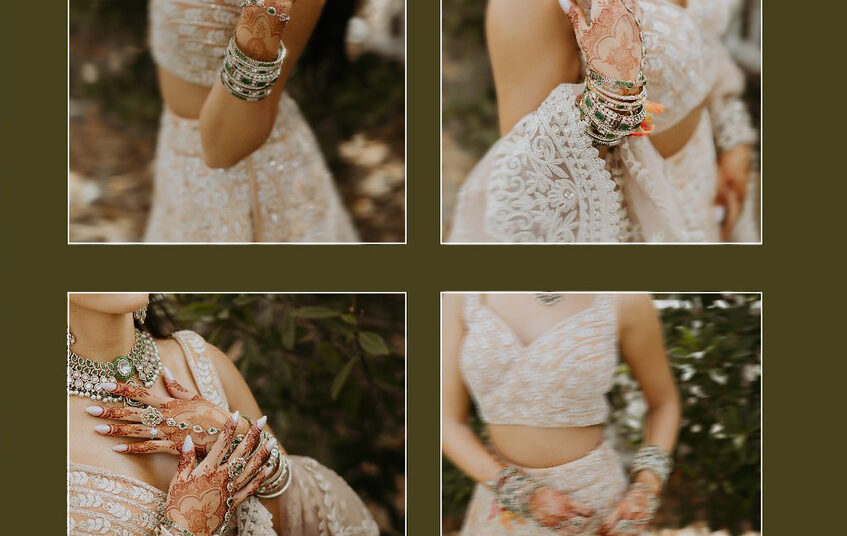
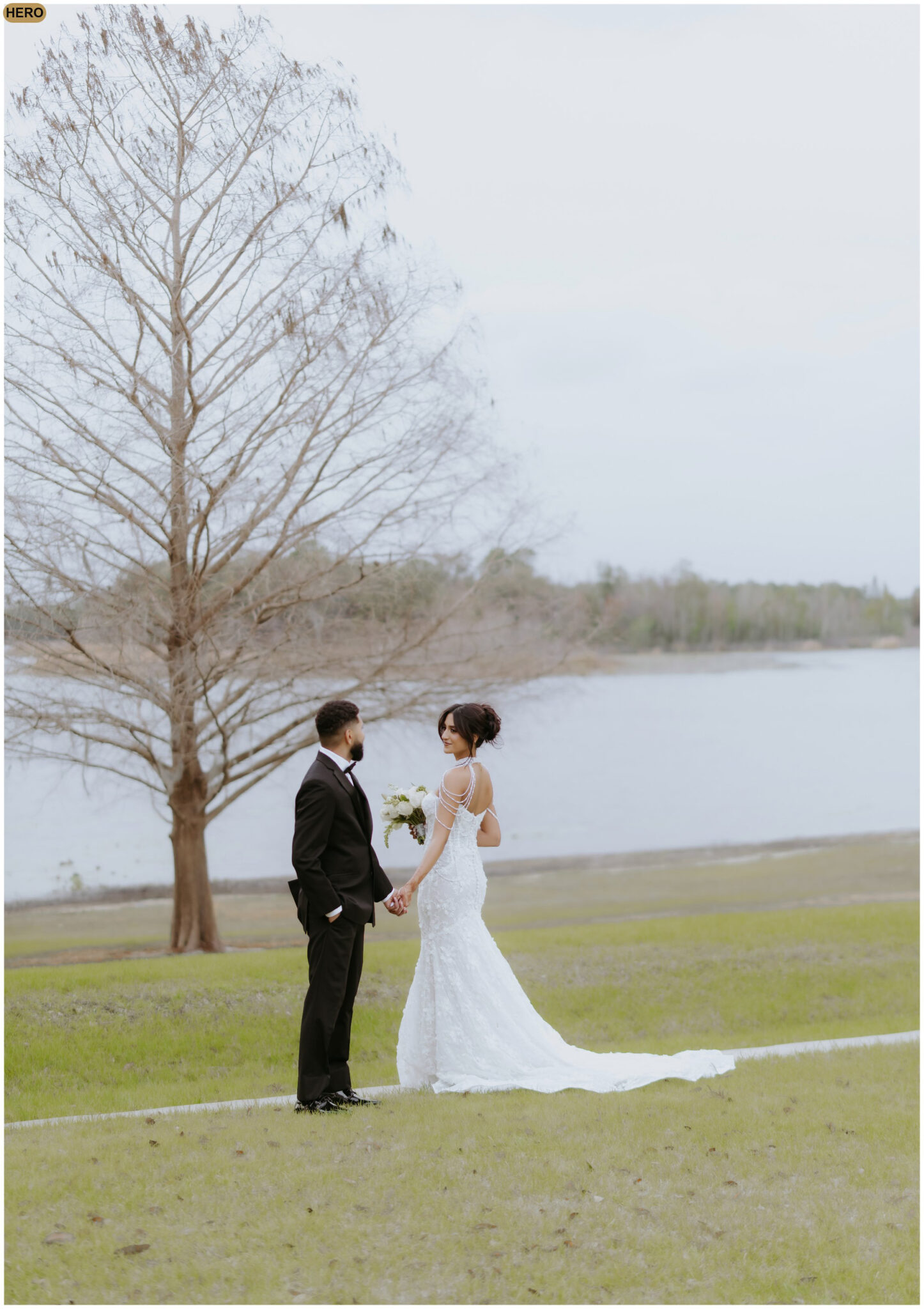
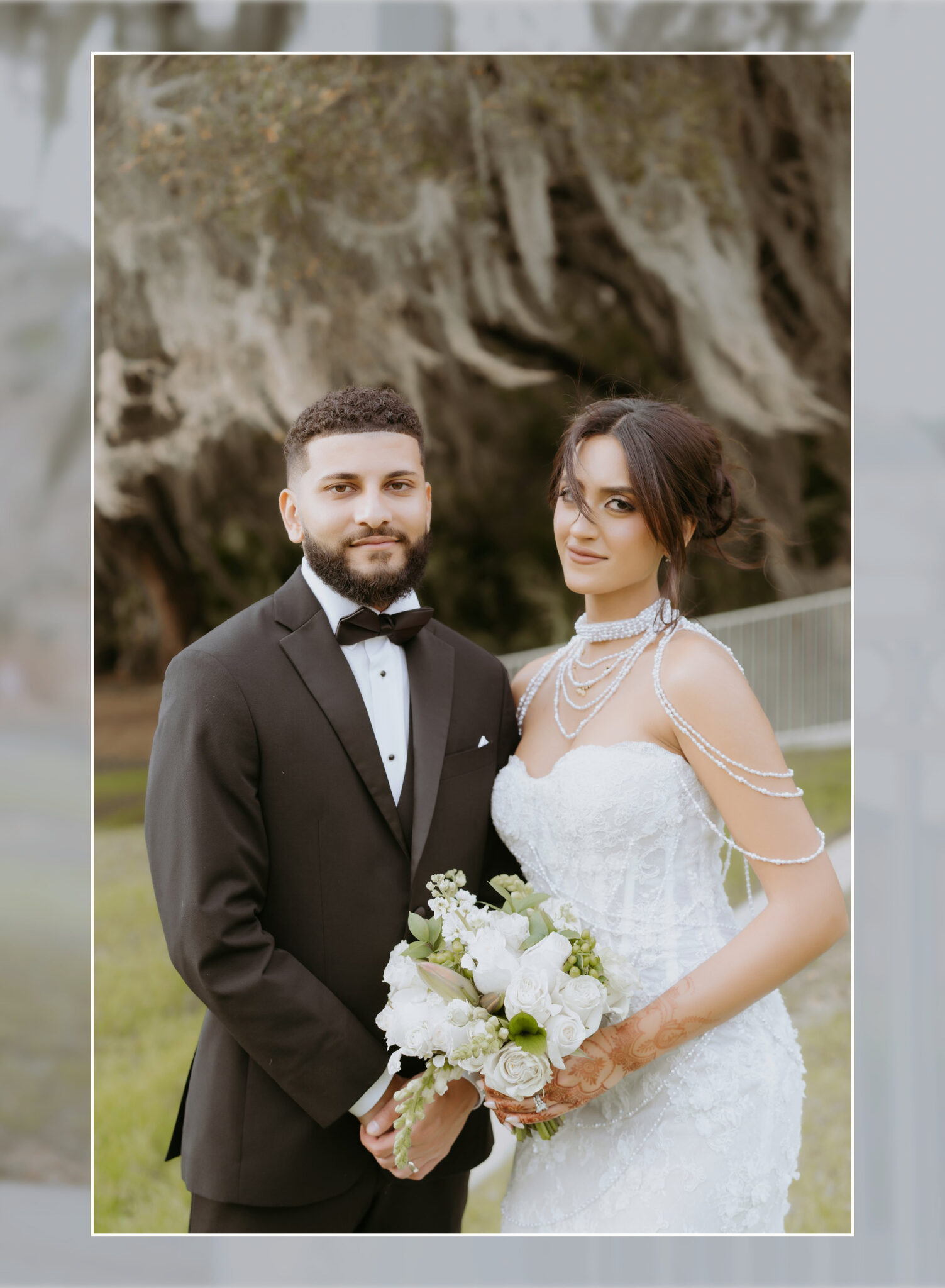
Many Indo-Caribbean couples in the US plan two days: a traditional Hindu ceremony on day one and an American-style wedding or reception on day two. That gives the bride two very different looks, often a red or gold lehenga or sari on day one and a white gown on day two, and the groom moves from a sherwani or kurta to a tuxedo. It also gives guests two full celebrations without a long, tiring single day.
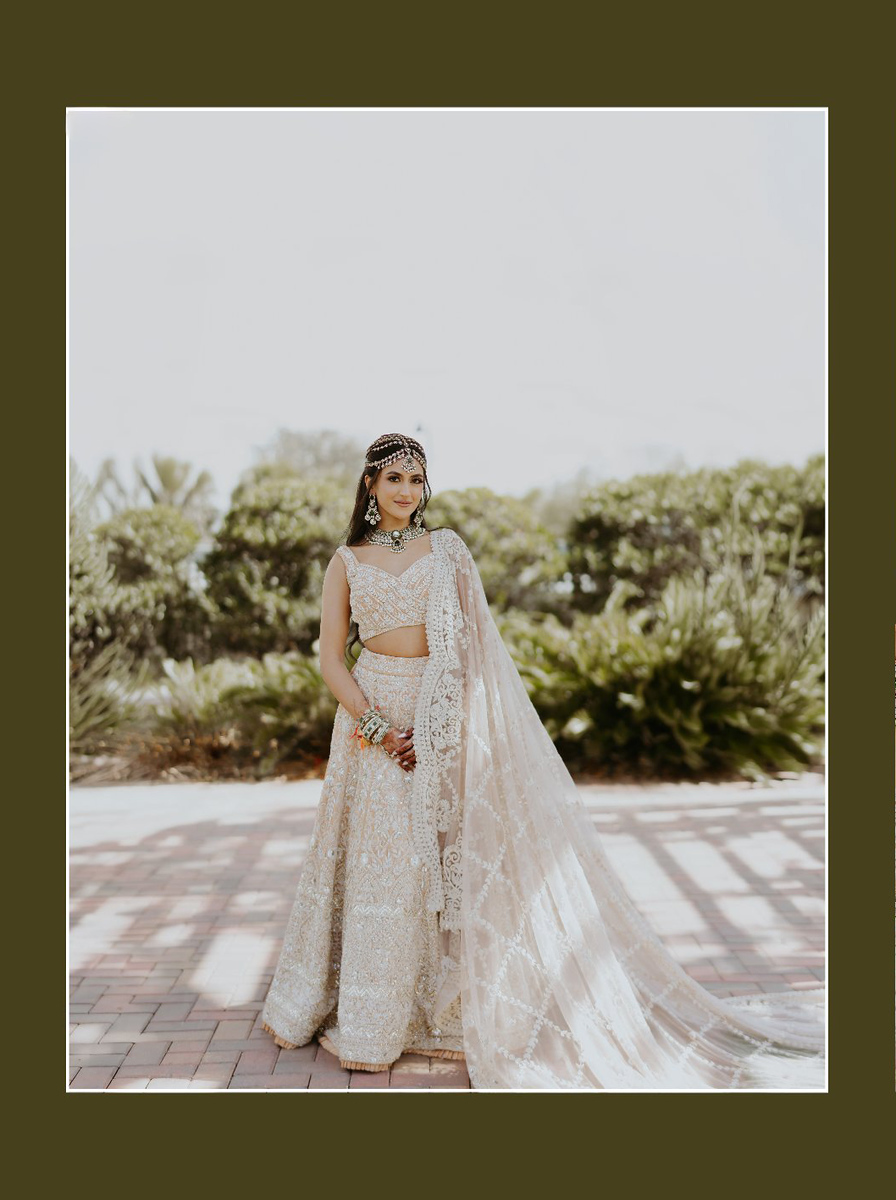
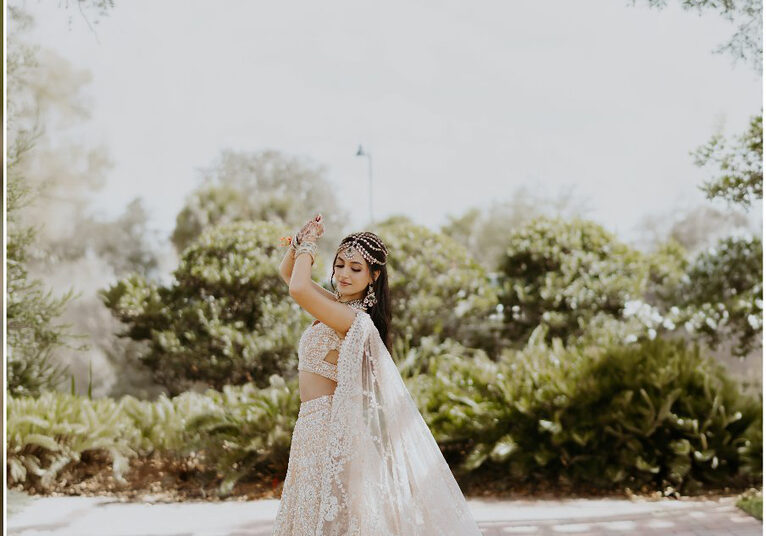
Tiffany and Haimchand’s two-day West Indian wedding at Ocoee Lakeshore Center is a good example. Day one was the traditional day, with Tiffany in a yellow-gold lehenga in the venue’s gardens. Day two was an American-style reception, with a white gown, a black tuxedo and portraits by Starke Lake. Keeping both days at one venue made it easy for guests and gave us two completely different looks in one place.
How an Indo-Caribbean wedding photographer plans coverage
- Home events: matikor and cook night often happen at home or in a backyard. We plan light for the evening, as yards and kitchens can be dark.
- Two families, two places: the bride’s and groom’s matikors may be at the same time in different homes. A second photographer, or staggered times, keeps both sides covered.
- Tassa and dancing: the baraat and matikor are loud and fast. Video matters here, as the sound of the drums is part of the story.
- The sindoor moment: if a sheet is held over the couple, we agree with the pandit where to stand so the moment and the reveal are captured.
- Outfit changes: plan couple portraits for each look, especially on a two-day wedding where the traditional and American days feel completely different.
- Family photos: Indo-Caribbean families are often big. Share your list ahead of time and name a cousin who knows everyone.
Planning tips
- Ask your pandit for the order of the ceremony and how long it will take, and share it with your photographer and planner.
- Decide early which events you want photographed: matikor, cook night, bhatwan, the wedding, the reception and the kangan.
- If the ceremony is outdoors in the Florida heat, plan it for the morning or late afternoon and keep a covered backup for summer storms.
- Confirm the venue allows a small fire, tassa drums and an outdoor procession.
- Leave time on the American day for portraits in good light, before the reception starts.
- Our planning questionnaire, sent about a month before the wedding, collects the timeline, family names and must-have moments.
For the ceremony itself, see our Hindu wedding photography guide, and for the day-by-day plan, use our sample wedding photography timeline. Planning near Orlando? See our Indian wedding photographer in Orlando page and Orlando venue guide. In South Florida, see our Miami and Fort Lauderdale pages. We also travel for weddings anywhere in the USA.
Frequently asked questions
What is a matikor?
A women’s ceremony held a few days before an Indo-Caribbean Hindu wedding, with a procession to dig a little earth, prayers to Mother Earth, haldi for the bride or groom, and singing and dancing. In Trinidad it is also called dig dutty.
What is cook night?
The night before the wedding, when family and friends gather to cook the wedding food together, often with music. It is one of the most relaxed and fun events to photograph.
Do you photograph two-day weddings?
Yes. Many Indo-Caribbean couples plan a traditional day and an American-style day. We plan coverage and portraits for each, so both days have their own story.
Do you cover home events like the matikor?
Yes. We photograph events at homes, backyards and community halls as well as hotels. Tell us the addresses and times, and we will plan the light and the team.
When will we receive our photos and film?
Edited photos usually arrive in about 8 to 12 weeks and films in about 12 to 16 weeks. An optional same-day edit can be shown at the reception.
Planning your Indo-Caribbean wedding?
We photograph and film weddings across Florida, in Atlanta and anywhere in the USA, from the matikor and cook night to the ceremony and reception. Tell us your dates and venues and we will reply within 24 to 48 hours.