Wedding photography · Florida & USA
Fusion Wedding Photographer: Interfaith and Multicultural South Asian Weddings
By Noor K Photography ·
As a fusion wedding photographer based in Orlando, Florida, photographing weddings across the USA, we help couples tell two stories in one celebration: a Hindu ceremony and a church service, a nikah and a mandap, or a mehndi night followed by a white-gown wedding. Fusion and interfaith weddings ask more of the plan than a single-tradition wedding. There are two sets of rituals, often two officiants, more outfit changes, and two families who each want to see their traditions honored. This guide covers how to plan the ceremonies, the timeline and the photos so both sides feel at home.
What counts as a fusion wedding?
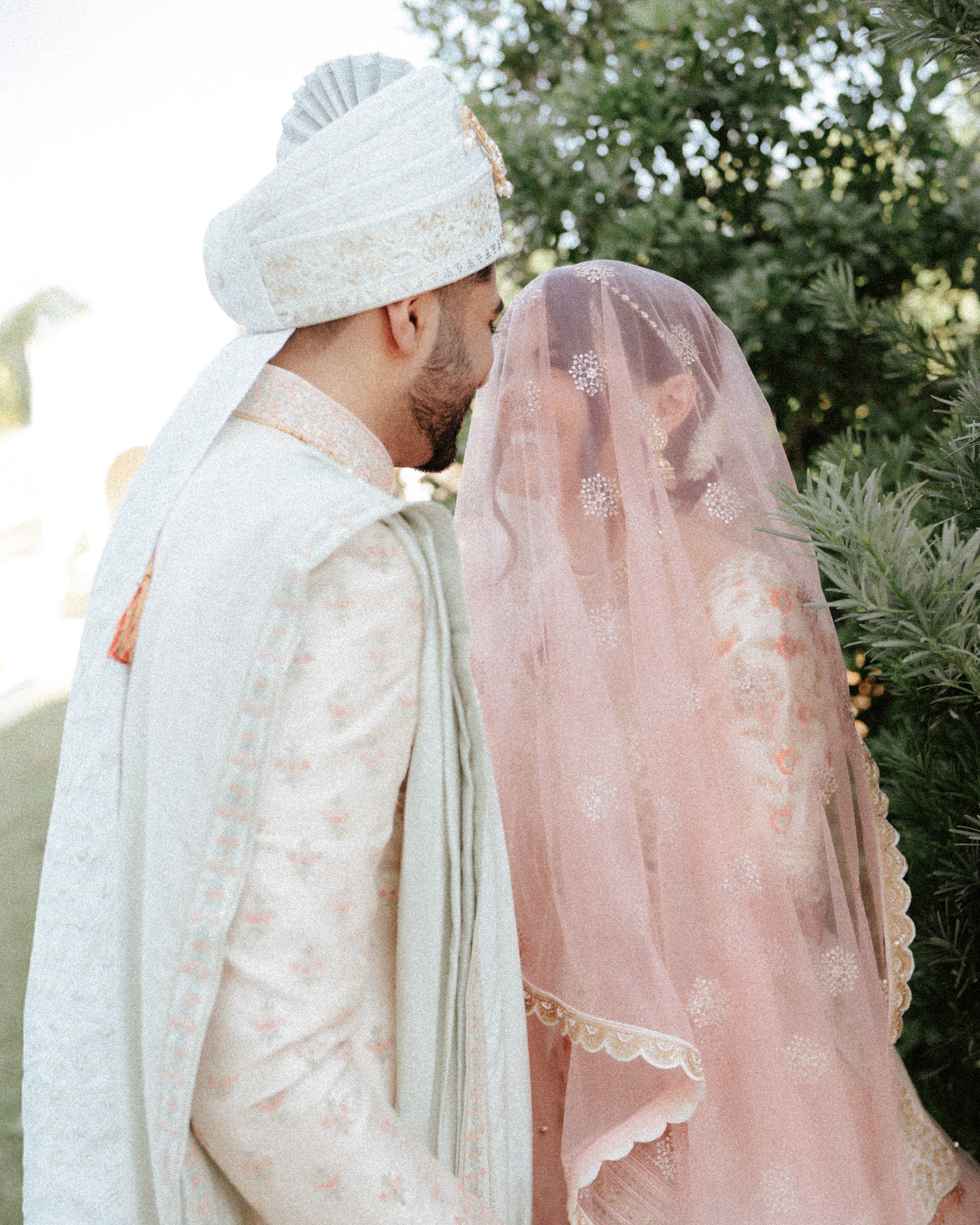
Fusion is a broad word. For some couples it means two religions, such as Hindu and Christian, Muslim and Hindu, Sikh and Christian, or Muslim and Christian. For others it means two cultures within one faith, such as a Gujarati and Punjabi Hindu wedding, or a South Asian and a Western family coming together. And for many it simply means blending a South Asian celebration with American wedding traditions: a first dance, a bridal party, speeches and a cake. Every couple draws the line in a different place, and there is no single right way to do it.
Common fusion and interfaith combinations
Hindu and Christian
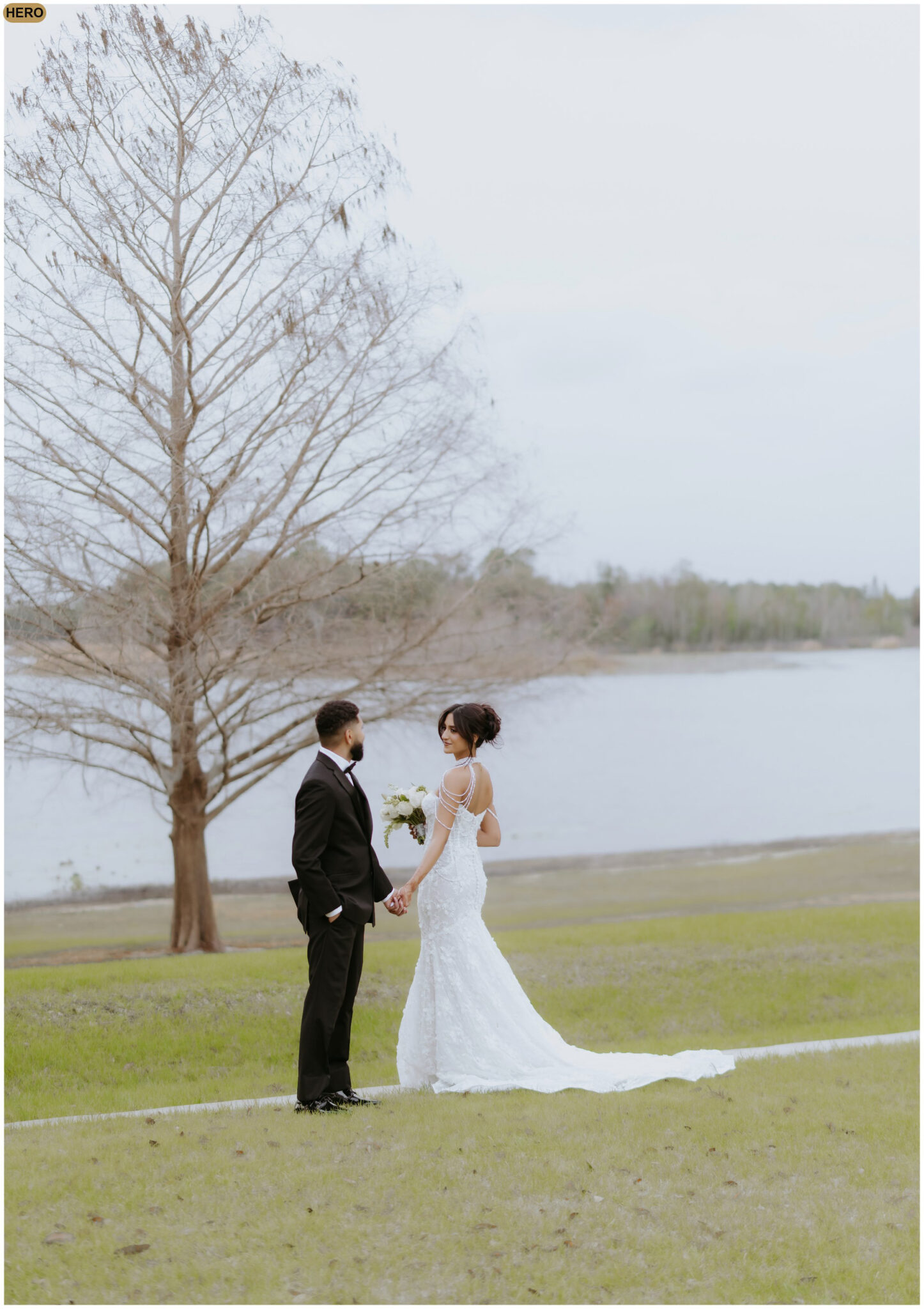
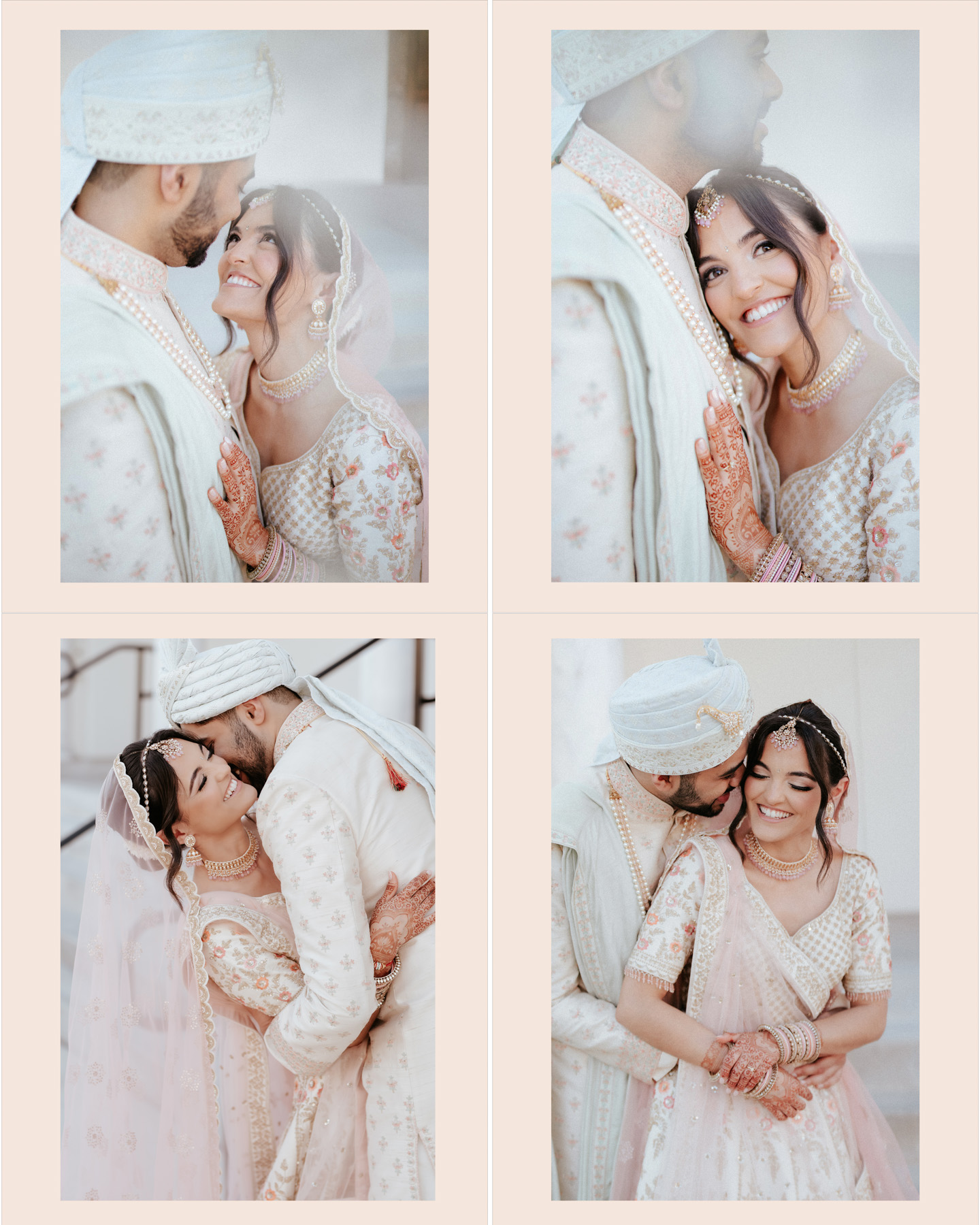
This is one of the most common fusion weddings in the US. Many couples hold a Hindu ceremony with a mandap, kanyadaan and pheras, and a Christian ceremony in a church or on a lawn, with readings, vows and a ring exchange. Some hold both on the same day, often the Hindu ceremony in the morning and the church or Western ceremony in the afternoon. Others hold one ceremony that blends the two, led by a priest and a pastor together, or by an interfaith officiant. If one ceremony is Catholic, ask the parish early about its rules for interfaith marriages and for photography inside the church.
Muslim and Hindu
Muslim and Hindu weddings often need the most care. A nikah has its own requirements, such as the consent of both partners, witnesses and the mahr, and some imams will only perform a nikah under certain conditions. Many couples hold the nikah and the Hindu ceremony as separate events, sometimes on separate days, with a shared mehndi, sangeet or reception that both families enjoy together. Talk openly with both families and both officiants early, and decide together which events will be religious and which will be cultural.
South Asian and Western
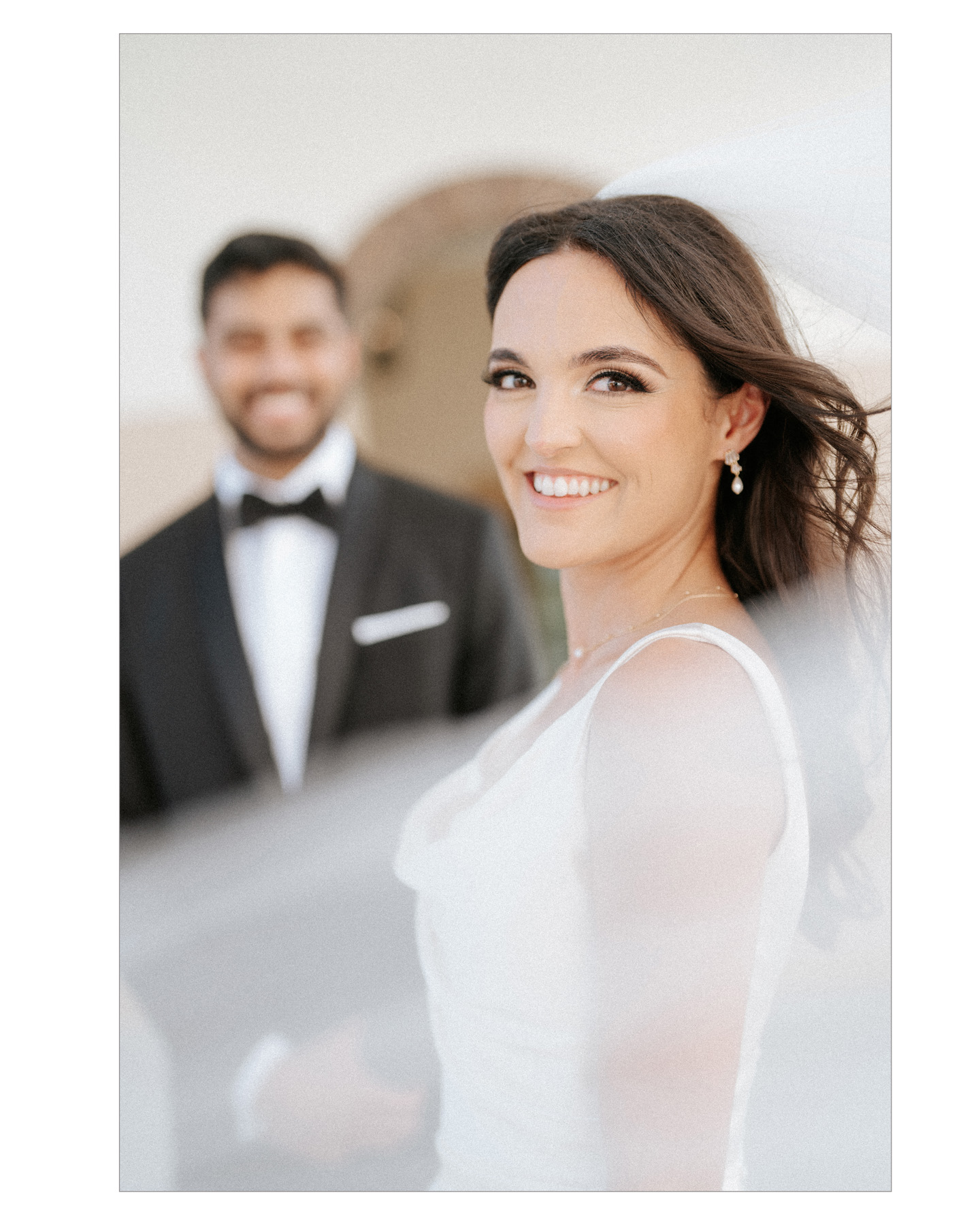
When one partner is South Asian and the other is not, many couples keep the South Asian events (mehndi, haldi, sangeet, a baraat) and pair them with a Western ceremony or reception. Some of the most memorable moments come when the non-South Asian family joins in: learning a dance for the sangeet, wearing a lehenga or sherwani for the first time, or joining the baraat. These moments are often what families remember most, so tell your photographer about them ahead of time.
Planning two ceremonies
The biggest question for most couples is whether to hold two ceremonies or one. There is no wrong answer, but each has trade-offs for the day and the photos.
- Two ceremonies on the same day: guests see both traditions, and travel is simpler. It is a long day, with an outfit change in between, so build in at least two hours between ceremonies for changes, hair, makeup and portraits.
- Two ceremonies on different days: each ceremony gets its own pace and its own light, and the couple are less tired. It adds an extra day for guests, so it works well when many people travel in for the weekend.
- One blended ceremony: shorter and easier for guests. It needs officiants who are comfortable working together and a clear script, so both families understand what is happening.
Whatever you choose, write a short program for guests that explains each ritual. It helps both families follow along, and it gives your photographer a clear order of moments.
Outfit changes and timelines
Fusion weddings often have more outfit changes than any other kind. A bride may wear a lehenga for the Hindu ceremony, a white gown for the church service and a third look for the reception. The groom may move from a sherwani and safa to a tuxedo. Each change usually takes 30 to 60 minutes, more if the bridal look involves heavy jewelry, a dupatta draping or a change of hairstyle.
- Plan couple portraits for each look right after it goes on, while hair and makeup are fresh.
- Keep the changes close to the ceremony spaces, ideally in a hotel suite at the venue.
- Allow time for the photo team to move between locations if the ceremonies are at a church and a hotel.
- If the second ceremony is outdoors, schedule it for the late afternoon for softer light, and keep a covered backup.
- Share the full timeline with your photographer, planner, hair and makeup team and officiants a few weeks before.
Our sample wedding photography timeline and guide to how many hours of coverage you need can help you plan a long fusion day.
Fusion weddings we have photographed
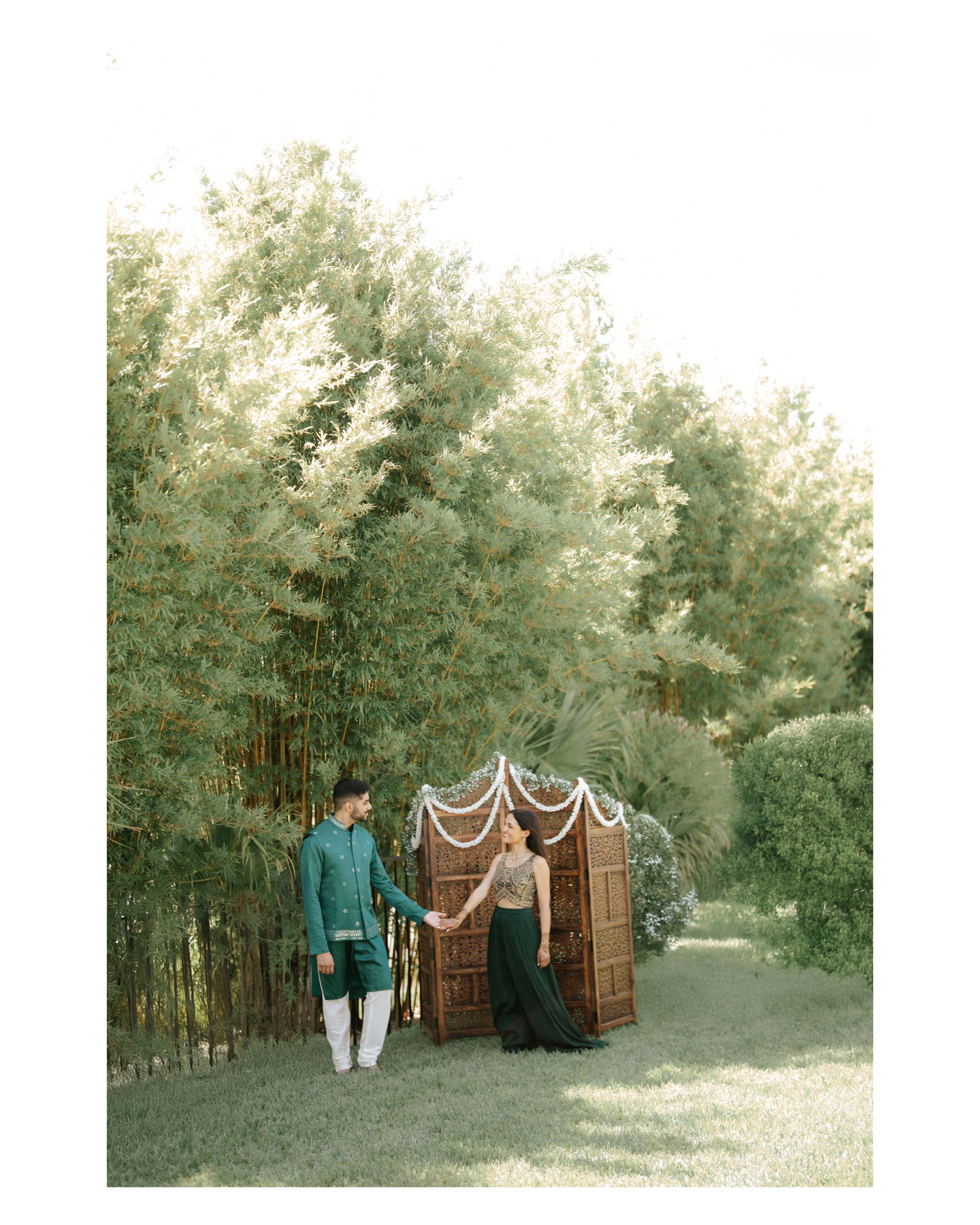
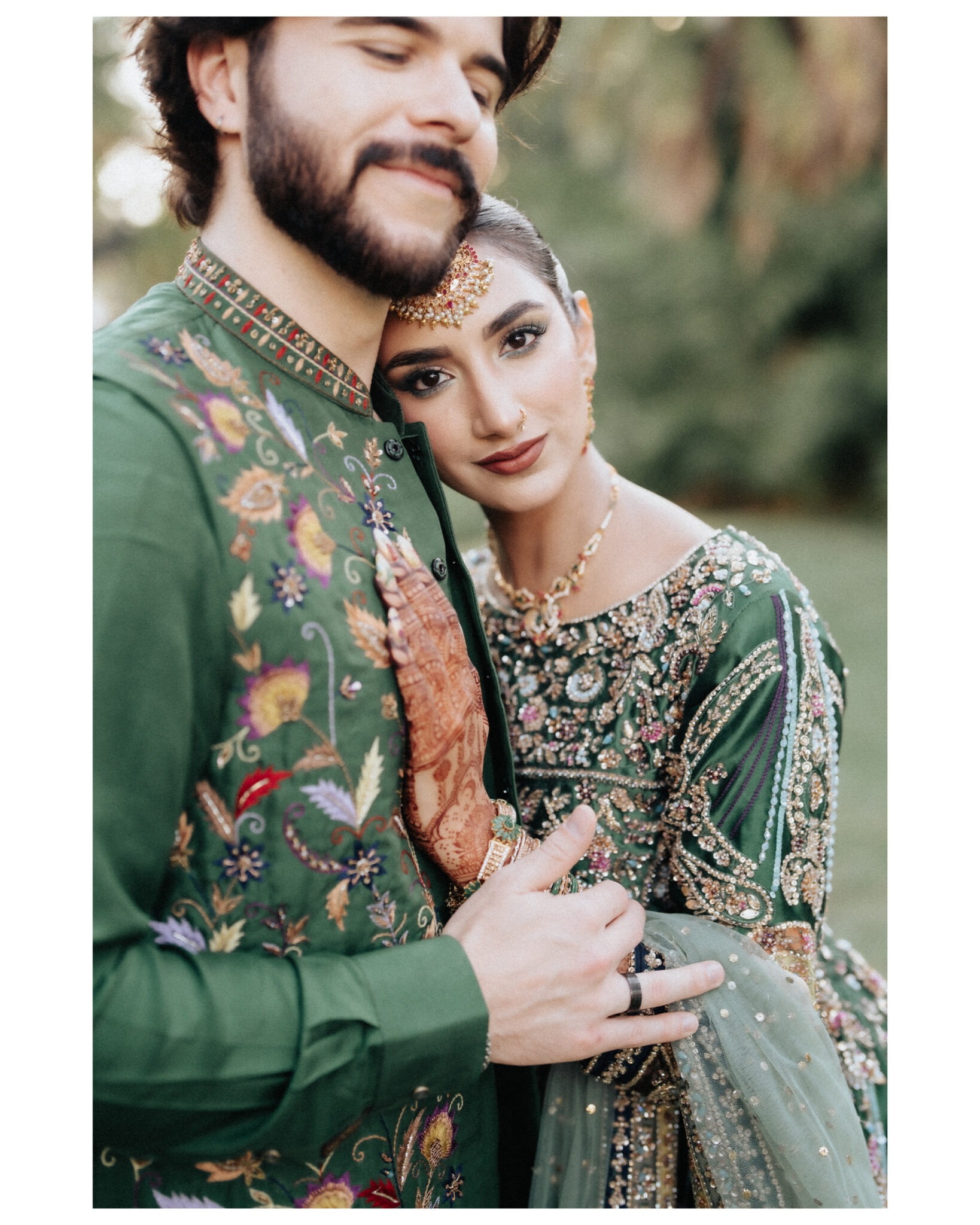
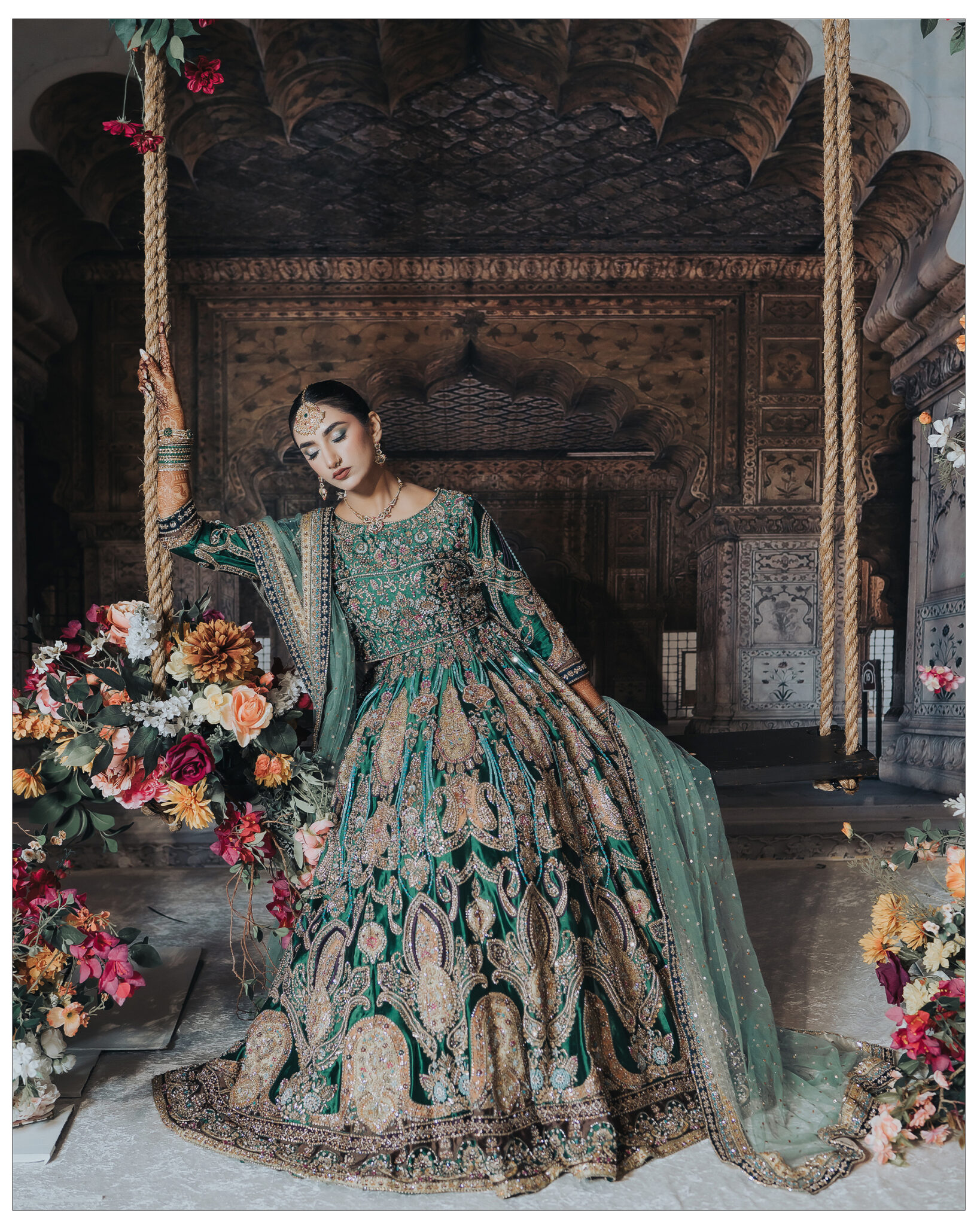
Raj and Claudia’s South Asian fusion wedding in Jacksonville began with a tropical mehndi among tall bamboo and blended traditional Hindu rituals with Western vows, with Claudia in a white gown and Raj in a tuxedo for the Western ceremony. Maham and Ryan’s fusion mehndi at Hilton Tampa Downtown brought two cultures together with green outfits, henna, speeches and choreographed dances. And Tiffany and Haimchand’s two-day West Indian wedding in Ocoee paired a traditional day in a yellow-gold lehenga with an American-style reception in white and black.
What a fusion wedding photographer plans for
- Both sets of rituals: we ask for the order of each ceremony and learn which moments matter most to each family.
- Two sets of rules: churches, mosques, temples and gurdwaras each have their own photography rules. We check them ahead of time.
- Family photos for both sides: fusion weddings often have two very different family structures. A shared list, with a helper from each side, keeps it moving.
- Moments between the families: the first time the two families dance together, or a parent wearing the other culture’s clothes, are often the photos people keep.
- Photo and film together: our photo and film team plan the day together, so the story of both traditions is told in the photos and in the film.
- Light across a long day: morning, afternoon and evening ceremonies each need a different approach.
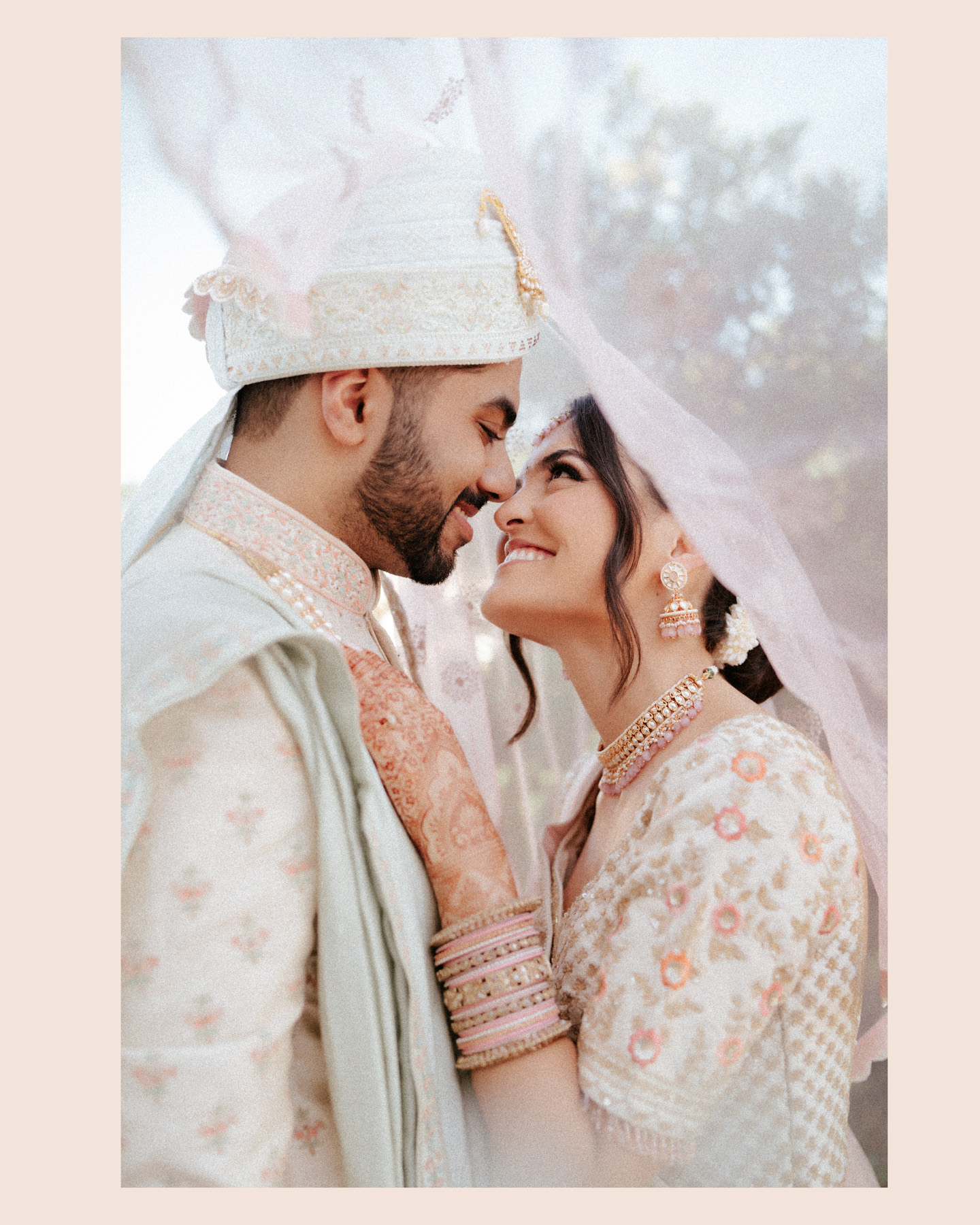
Tips for families on both sides
- Explain the rituals to the family that does not know them, through a program, a short welcome speech or a family dinner before the wedding.
- Help guests with outfits. Many first-time guests love to wear South Asian clothes but are not sure what to choose.
- Agree early on food, alcohol and any religious requirements, so neither family feels left out.
- Give both sets of parents a meaningful role in at least one ceremony.
- Plan a mixed family photo with both families together, not only each side on its own.
We are based in Orlando, photograph weddings across Florida and in Atlanta, and travel for weddings anywhere in the USA. Browse our portfolio, see our South Asian wedding films, or read the Hindu wedding and nikkah photography guides. When you are ready, check your date.
Frequently asked questions
Should we have two ceremonies or one blended ceremony?
Both work. Two ceremonies give each tradition its full time, while one blended ceremony is shorter for guests. Talk with both officiants and both families before you decide.
How much time do we need between two ceremonies on the same day?
Plan at least two hours between ceremonies for the outfit change, hair and makeup touch-ups, travel if needed and a few portraits.
Do you photograph interfaith weddings?
Yes. We photograph Hindu, Muslim, Sikh, Christian and fusion weddings, and we plan coverage so both traditions are told fully.
Do you travel for fusion weddings outside Florida?
Yes. We are based in Orlando, Florida, and travel for weddings anywhere in the USA, as well as destination weddings.
How many photos will we receive?
A full fusion weekend often adds up to around 2,000 to 3,000 edited images. Photos usually arrive in about 8 to 12 weeks and films in about 12 to 16 weeks.
Planning a fusion wedding?
We photograph and film fusion and interfaith weddings in Florida, Atlanta and anywhere in the USA. Tell us your dates and venues and we will reply within 24 to 48 hours.