Wedding photography · Florida & USA
South Indian Wedding Photographer: Tamil, Telugu, Kannada and Malayali Weddings
By Noor K Photography ·
As a South Indian wedding photographer based in Orlando, Florida, photographing weddings across the USA, we know that the most important moment of the day may last less than a minute: the tying of the thaali at the exact muhurtham. Tamil, Telugu, Kannada and Malayali weddings each have their own rituals, music and order, from the playful kashi yatra and the swing of the oonjal to the rice shower of the talambralu and the seven steps of the saptapadi. This guide explains the main rituals by region, what to photograph at each one and how to plan an early morning ceremony, whether you marry in Florida or anywhere else in the US.
How South Indian weddings differ from North Indian weddings
South Indian Hindu weddings are often shorter and earlier than North Indian ones. Many take place in the morning, timed to an auspicious muhurtham chosen by the family priest, and the central ritual is the tying of the thaali or mangalsutra rather than the pheras alone. The sound of the nadaswaram and thavil, banana trees at the entrance, jasmine in the bride’s hair and a silk saree in deep reds, golds and greens are part of the look. Every community, and every family, does things a little differently. Iyer and Iyengar Tamil weddings, Telugu weddings from Andhra Pradesh and Telangana, Kannada weddings and Malayali weddings can feel very different, so the first step is always a written order of rituals from your priest.
Tamil wedding rituals
A Tamil Brahmin wedding often starts the day before with the nichayathartham (formal engagement) and the janavasam or mappillai azhaippu, the welcome of the groom. On the wedding morning, the order in many families is:
- Kashi yatra: the groom pretends to leave for Kashi to live as a scholar, carrying an umbrella, a fan and a walking stick, until the bride’s father persuades him to stay and marry his daughter. It is short and funny, and a favorite for candids.
- Maalai maatral: the couple exchange garlands three times, often lifted on the shoulders of their uncles.
- Oonjal: the couple sit on a swing while married women sing, circle them with lamps and throw small rice balls (pidi suthal) to ward off bad luck. This is one of the most beautiful parts of a Tamil wedding to photograph.
- Kanyadaanam: the bride sits on her father’s lap, or beside him, as he gives her hand to the groom.
- Mangalya dharanam: at the muhurtham, as the nadaswaram plays the getti melam, the groom ties the thaali with three knots, often with his sister helping with the second and third.
- Saptapadi: the couple take seven steps together around the fire, and the groom slips toe rings (metti) onto the bride’s feet.
Telugu wedding rituals
Many Telugu weddings take place at night or very early in the morning, depending on the muhurtham. Before the ceremony the bride is often carried to the mandap in a bamboo basket by her maternal uncles, while a cloth screen (the tera) separates her from the groom. At the exact muhurtham the couple place a paste of cumin and jaggery, the jeelakarra bellam, on each other’s heads, and the screen is lowered for their first look. The groom then ties the mangalsutra, and the couple shower each other with rice mixed with turmeric in the talambralu. Talambralu is joyful and competitive, with family cheering each side on, and it makes some of the best photos of a Telugu wedding. Many families end with the saptapadi and the couple looking for the Arundhati star.
Kannada wedding rituals
Kannada weddings share some rituals with Tamil and Telugu ones, such as a kashi yatre in many families and a garland exchange. The bride’s parents perform the dhare, pouring water over the couple’s joined hands, which is a kind of kanyadaan. The groom then ties the mangalya, and the couple take the saptapadi around the fire. Ask your priest whether your family follows a Brahmin, Lingayat, Vokkaliga or other tradition, as the rituals and their names can change a lot.
Malayali Hindu weddings
Malayali Hindu weddings in Kerala are often very short, sometimes less than half an hour, which surprises guests used to longer ceremonies. The bride and groom wear ivory and gold kasavu, the mandap may be decorated with a tall brass nilavilakku lamp and coconut fronds, and the main moments are the thaali tying, the gift of the pudava (a new cloth) to the bride and the couple walking around the lamp together. With so few minutes, the photo and film team need to be in place before the couple sit down.
Malayali Christian weddings
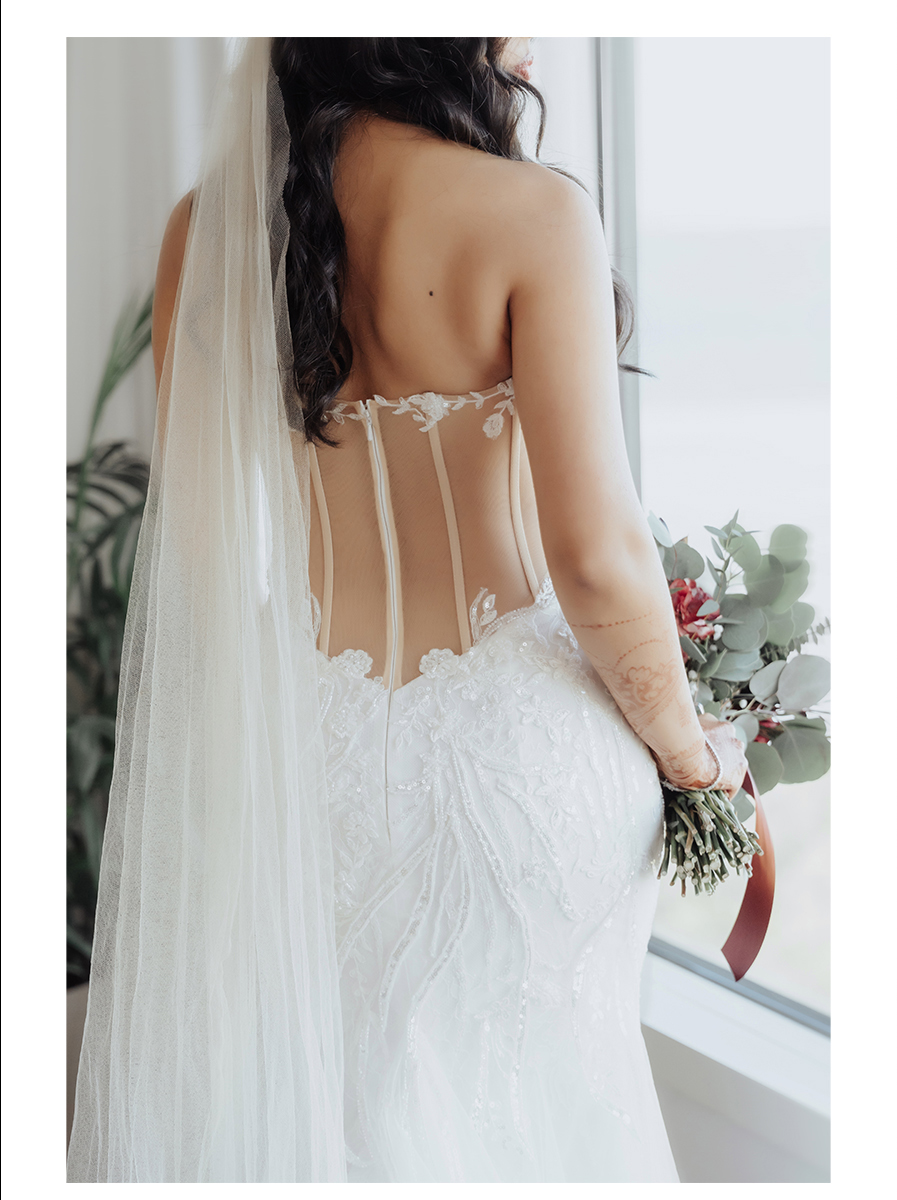
Many Malayali families in the US are Syro-Malabar Catholic, Latin Catholic, Orthodox or Marthoma Christian. Their weddings usually center on a church ceremony, where the groom ties the minnu, a small gold pendant, on a thread made from the bride’s new saree, and gives her the manthrakodi saree. The reception afterward celebrates Kerala culture, often with chenda melam drums, family speeches and Kerala dishes. Some couples wear a white gown to church and change into a saree, or the reverse, so plan time for an outfit change between events.
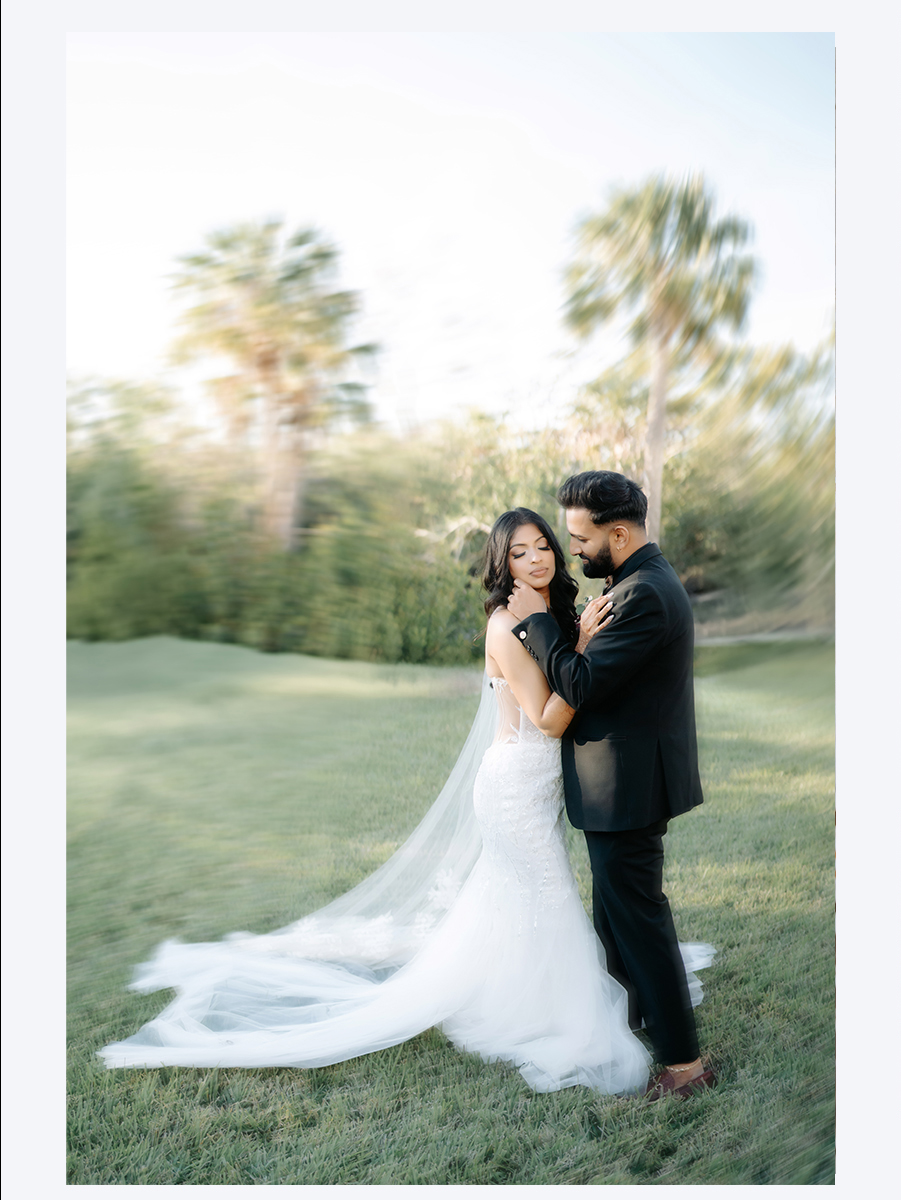
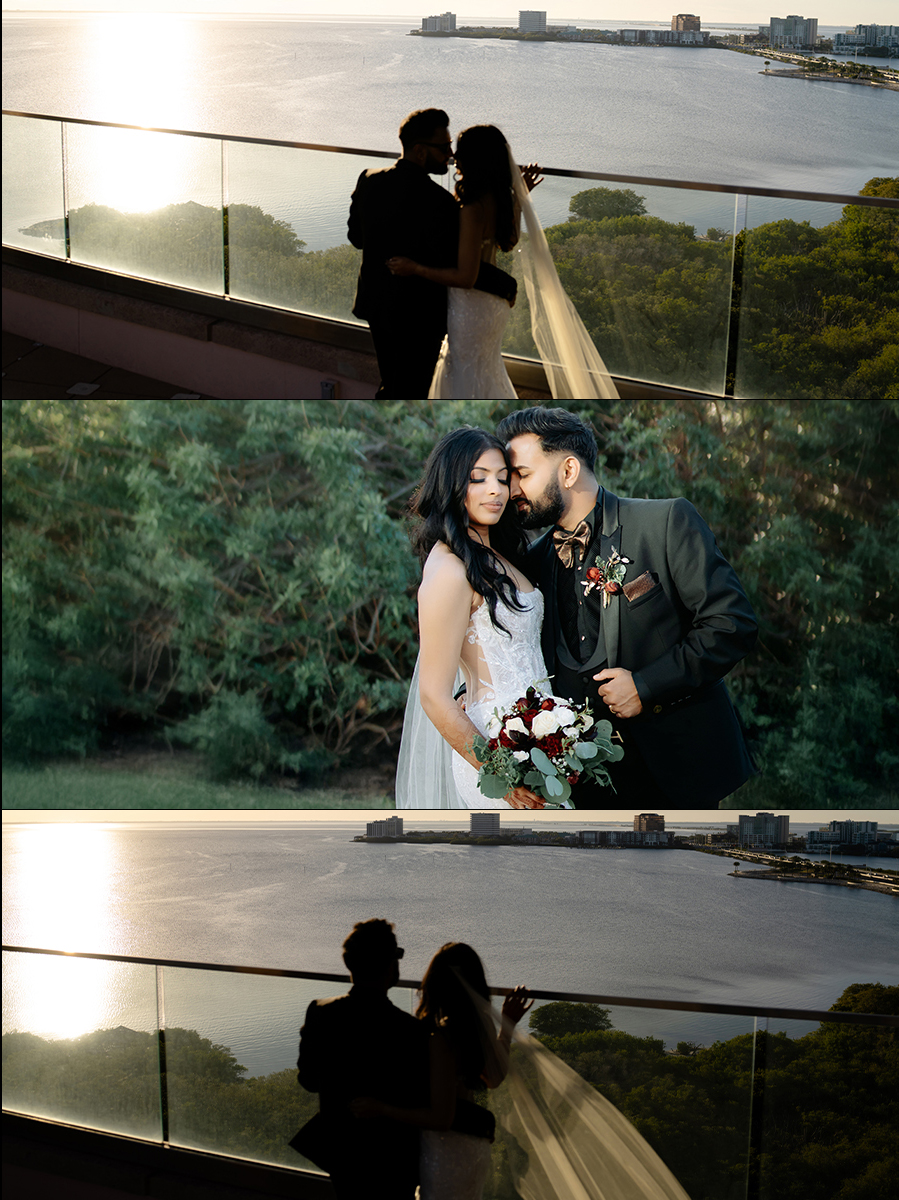
Shobin and Maria’s Malayali Christian wedding in Tampa is a good example. Maria got ready at Grand Hyatt Tampa Bay, the couple said their vows at Nativity Catholic Church in Brandon, and the day ended back at the Grand Hyatt with chenda drums and sunset portraits over the bay.
What a South Indian wedding photographer plans for
South Indian ceremonies reward a team that knows when the key moments are coming. These are the points we plan around with every family:
- The muhurtham. The thaali or mangalsutra tying happens at an exact time, often with a crowd of relatives around the couple. We agree ahead of time where the lead photographer and videographer will stand, so the moment is not blocked.
- Early starts. A morning muhurtham means getting-ready coverage can start before sunrise. In Florida and much of the South, summer mornings are already bright and warm by 8 a.m., so plan portraits right after the ceremony or in the late afternoon.
- Short ceremonies. A Malayali Hindu wedding can be over in minutes. The team needs to be set up before the couple arrive at the mandap.
- Rituals with movement. The kashi yatra, the oonjal, the garland exchange and the talambralu are lively and fast, and a second photographer catches the family reactions.
- Details. Silk saree borders, temple jewelry, jasmine strands, the thaali itself and the bride’s toe rings deserve close-ups.
- Two outfits. Many brides change from a wedding saree into a second saree or lehenga for the reception. We leave time for couple portraits in both.
Temples, hotels and churches
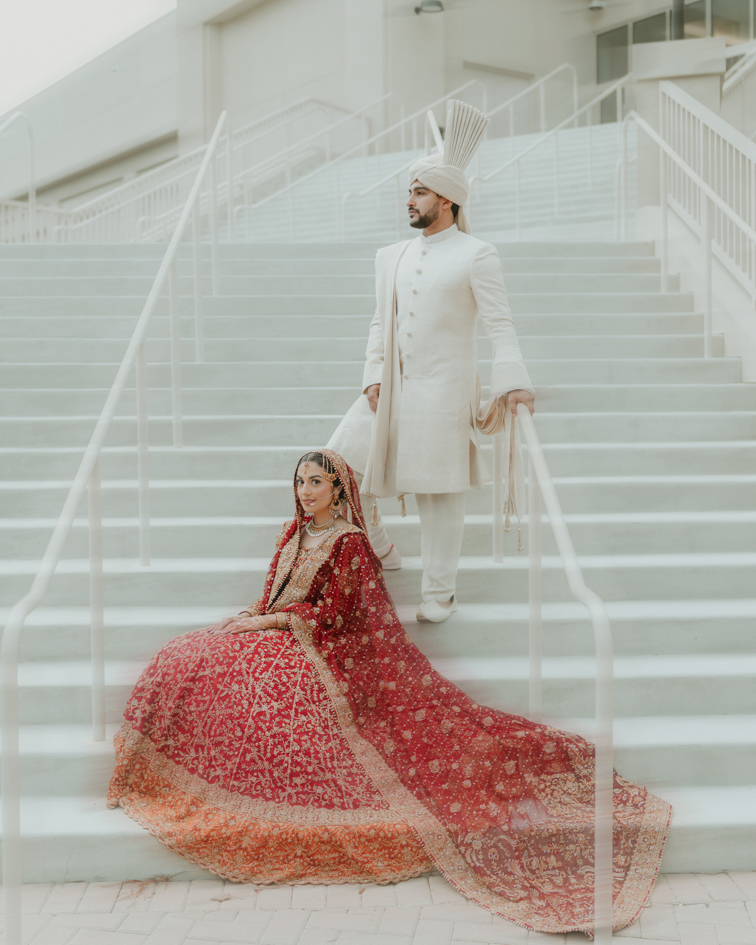
South Indian weddings in the US happen at Hindu temples, hotel ballrooms and outdoor lawns, and Christian weddings usually start at a church. Temples and churches each have their own rules about where photographers can stand, flash and video, and some only allow photos from certain spots during the ceremony. Ask the temple or parish office for its rules early, and tell us so we can plan the coverage. If the ceremony and reception are at different places, build travel time into the day, especially in busy cities.
For hotel options near our home base, see our Indian wedding venues in Florida guides, and for the morning heat and summer storms, read our Florida weather guide for Indian weddings. Our Hindu wedding photography guide covers ceremony moments across other regions too.
Planning your South Indian wedding photos
- Ask your priest for the order of rituals and the muhurtham time, and share both with your photographer and planner.
- Tell us which relatives have roles in the ceremony, such as the maternal uncles, the groom’s sister and the married women at the oonjal.
- Put pre-wedding events like the nichayathartham, nalangu or mehndi on the timeline.
- If the wedding is early, plan couple portraits after the ceremony or later in the day when the light softens.
- Share your family photo list ahead of time. Large South Indian families often want photos with each branch of the family.
- Confirm the venue allows a small fire, a swing and rice or turmeric on the floor.
We are based in Orlando and photograph weddings across Florida, in Atlanta and anywhere in the USA. See our Tampa and Orlando pages, our South Asian wedding films, or the wedding photography shot list to start planning.
Frequently asked questions
What is the most important moment at a South Indian wedding?
For most Hindu families it is the tying of the thaali or mangalsutra at the muhurtham. For Malayali Christian couples it is the minnu tying during the church ceremony.
What is the oonjal ceremony?
In a Tamil wedding, the couple sit on a swing while married women sing, circle them with lamps and throw small colored rice balls to ward off bad luck.
What is talambralu?
A Telugu wedding ritual where the bride and groom shower each other with rice mixed with turmeric after the mangalsutra is tied. It is playful and full of family cheering.
Do you photograph Malayali Christian weddings?
Yes. We have photographed a Malayali Christian wedding with a church ceremony in Brandon and a reception at Grand Hyatt Tampa Bay, and we plan around both the church and the Kerala celebration.
Can you cover an early morning muhurtham?
Yes. Tell us the muhurtham time when you inquire. We plan getting-ready coverage before the ceremony and portraits for when the light is best.
How do we book?
Send us your dates and venues. We reply within 24 to 48 hours, and a date is reserved with a signed contract and a 25% retainer.
Planning your South Indian wedding?
We photograph and film weddings across Florida, in Atlanta and anywhere in the USA, from early morning muhurthams to church ceremonies and receptions. Tell us your dates and venue and we will reply within 24 to 48 hours.