Planning guide
Florida Indian Wedding Photography Weather Guide: Heat, Rain and Best Months
By Noor K Photography ·
Florida Indian wedding photography is shaped by the weather more than almost anything else: the heat on a lehenga during an outdoor baraat, a 4 PM thunderstorm over the mandap, or a perfect sunset over the Gulf during portraits. Florida is a wonderful place for a South Asian wedding, but the climate here is different from most of the country. This guide explains the seasons, summer storms, hurricane season, how the sun changes your photos and how to plan a rain backup that still looks beautiful.
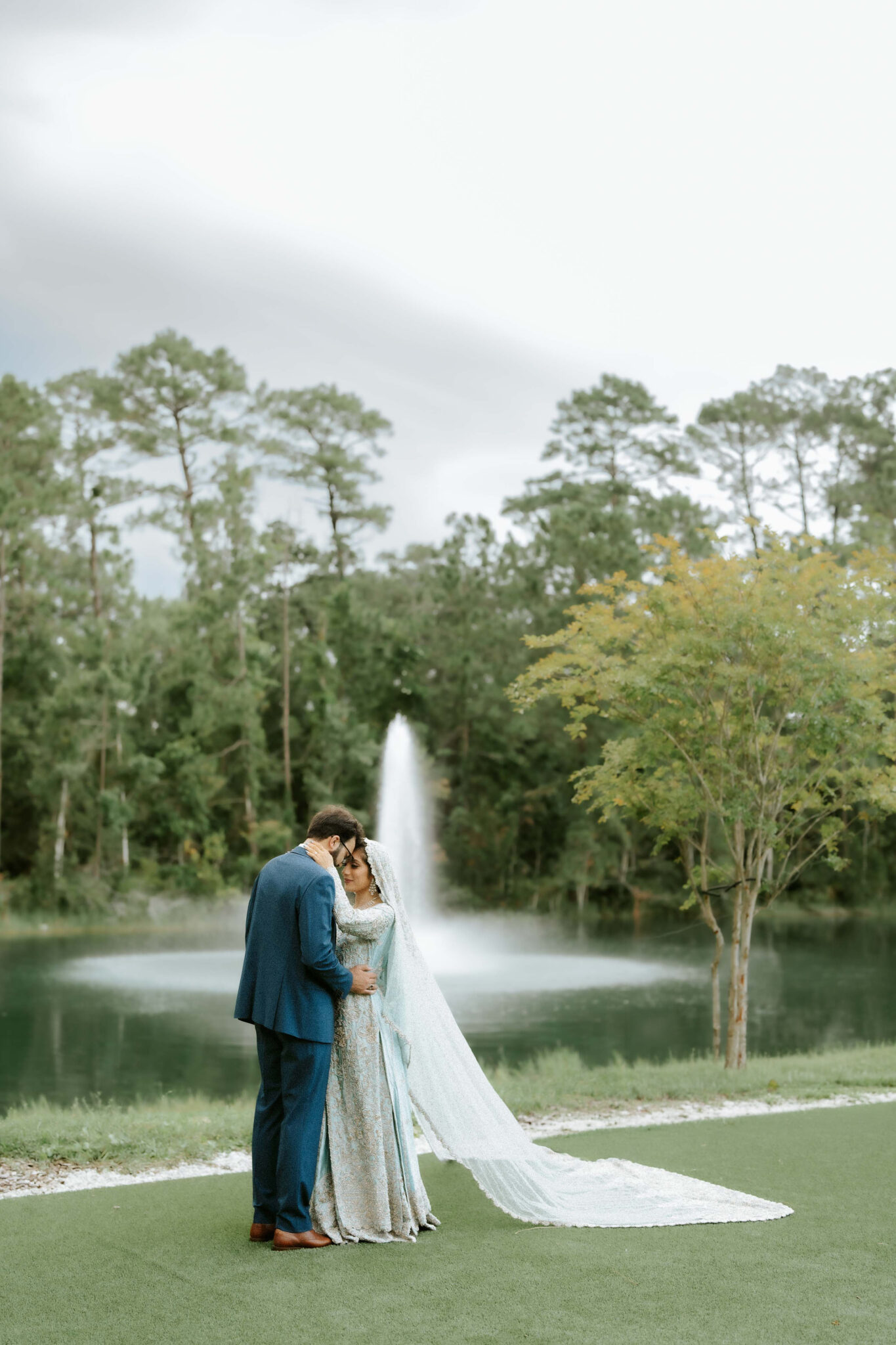
The best months for an Indian wedding in Florida
October to April is peak wedding season in Florida, and for good reason. The air is drier, afternoons are warm rather than hot, and the daily summer storms have mostly stopped. November, December, February, March and April are especially popular, and resorts fill up early for those weekends. January can be lovely too, but a cold front can bring cool evenings, especially in North Florida around Jacksonville.
- October to April: the most comfortable months. Lower humidity and fewer storms. Book venues and vendors early.
- May: getting hot, with the first storms arriving late in the month.
- June to September: hot and humid, with frequent afternoon thunderstorms. Indoor events work well, and resorts often have more open dates.
- Late October and November: hurricane season is still officially on, but the risk drops as the weather cools.
Heat and humidity
From May to September, Florida afternoons are often hot and very humid. Heavy bridal lehengas, layered sherwanis, safas and full makeup feel the heat quickly. It does not mean you cannot have an outdoor event, but it changes how you plan it.
- Plan outdoor events for the morning or the last hour before sunset, not midday.
- Keep the outdoor part short: a 20-minute portrait session is easier than an hour in the sun.
- Choose lighter fabrics for daytime events like the haldi, and save the heaviest outfit for an indoor ceremony or reception.
- Ask your makeup artist for long-wear products and setting spray, and keep blotting papers in someone’s bag.
- Provide water, fans and shade for guests and elders at outdoor ceremonies and baraats.
- Camera lenses fog when they go from a cold ballroom into humid air. A good photographer plans for it, but give us a few minutes outside before portraits start.
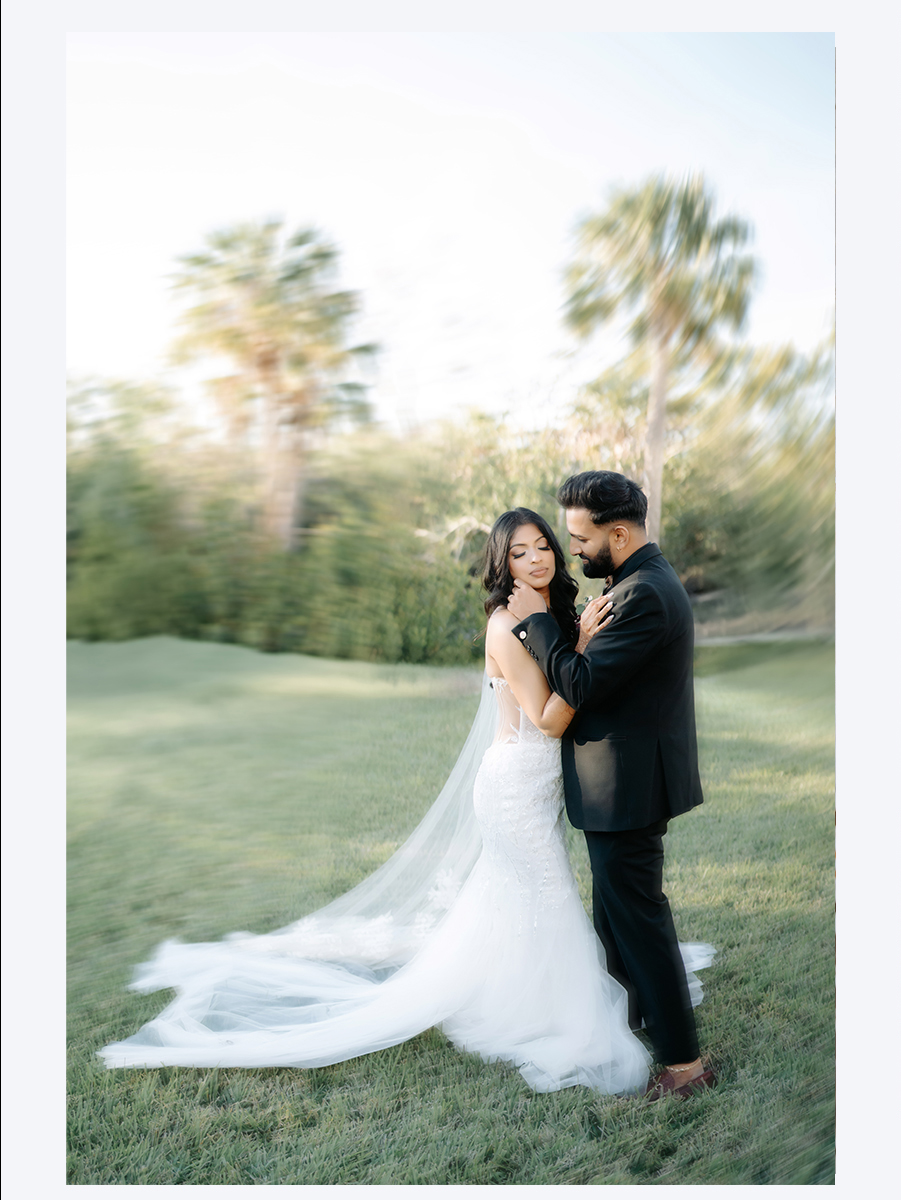
Summer thunderstorms
In the wet season, roughly late May to early October, many Florida afternoons follow the same pattern: a sunny morning, clouds building after lunch and a short, heavy thunderstorm in the afternoon or early evening. Storms often pass within an hour, and the light afterwards can be beautiful. But Central Florida also has some of the most frequent lightning in the country, and outdoor events have to stop when lightning is close.
- Schedule outdoor ceremonies and portraits for the morning or after the usual storm window, and keep the timeline flexible by 30 to 60 minutes.
- Ask your venue about its lightning policy. Many resorts move guests indoors when lightning is detected nearby.
- Have a covered space ready close to the outdoor area, so a short storm does not mean moving the whole event.
- Keep clear umbrellas for the couple. They photograph much better than dark golf umbrellas.
- After the rain, step outside. Wet streets, dramatic clouds and soft light can give some of the best portraits of the day.
Hurricane season
The Atlantic hurricane season runs from June 1 to November 30, with the most activity usually from mid-August to mid-October. Most weddings in those months are never affected, but it is worth planning for.
- Read your venue contract for its weather and hurricane policy, including rescheduling options.
- Ask every vendor how they handle a named storm, and read the weather terms in each contract before you sign.
- Consider wedding insurance that covers weather if you marry from August to October.
- Tell guests who are flying in to watch the forecast and book flexible travel if they can.
- Have an indoor plan for every outdoor event, not only the ceremony.
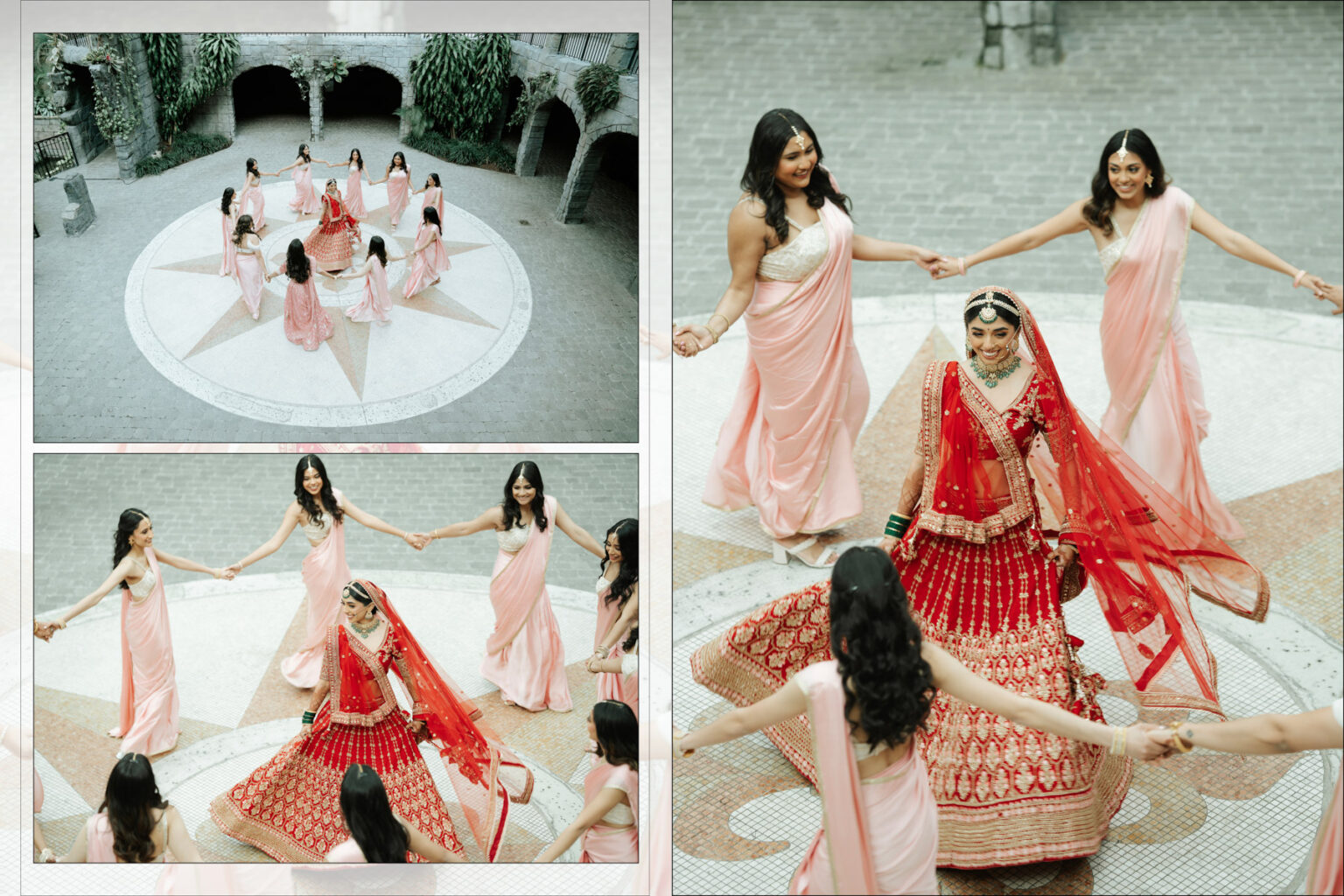
Sun angle and sunset times
Florida is far south, and in summer the midday sun is almost straight overhead. That creates hard shadows under eyes and noses and makes bright outfits look harsh. In winter the sun stays lower, so the light is softer for longer, but it sets much earlier. In Central Florida, sunset is roughly 5:30 PM in late November and December and around 8:20 to 8:30 PM in late June. Tampa and the Gulf Coast set a few minutes later than Orlando, and Miami a little earlier in summer. Always check the exact time for your date.
- Plan couple portraits for the hour before sunset, or right after sunrise for a morning session.
- In winter, an evening reception may start after dark, so do portraits between the ceremony and the reception.
- For a beach event, the Gulf Coast (Tampa, St. Pete, Clearwater) faces the sunset, while the Atlantic Coast (Miami, Fort Lauderdale, Palm Beach, Daytona, Jacksonville) faces the sunrise.
- Midday outdoor events look best in open shade, under a tent or trees.
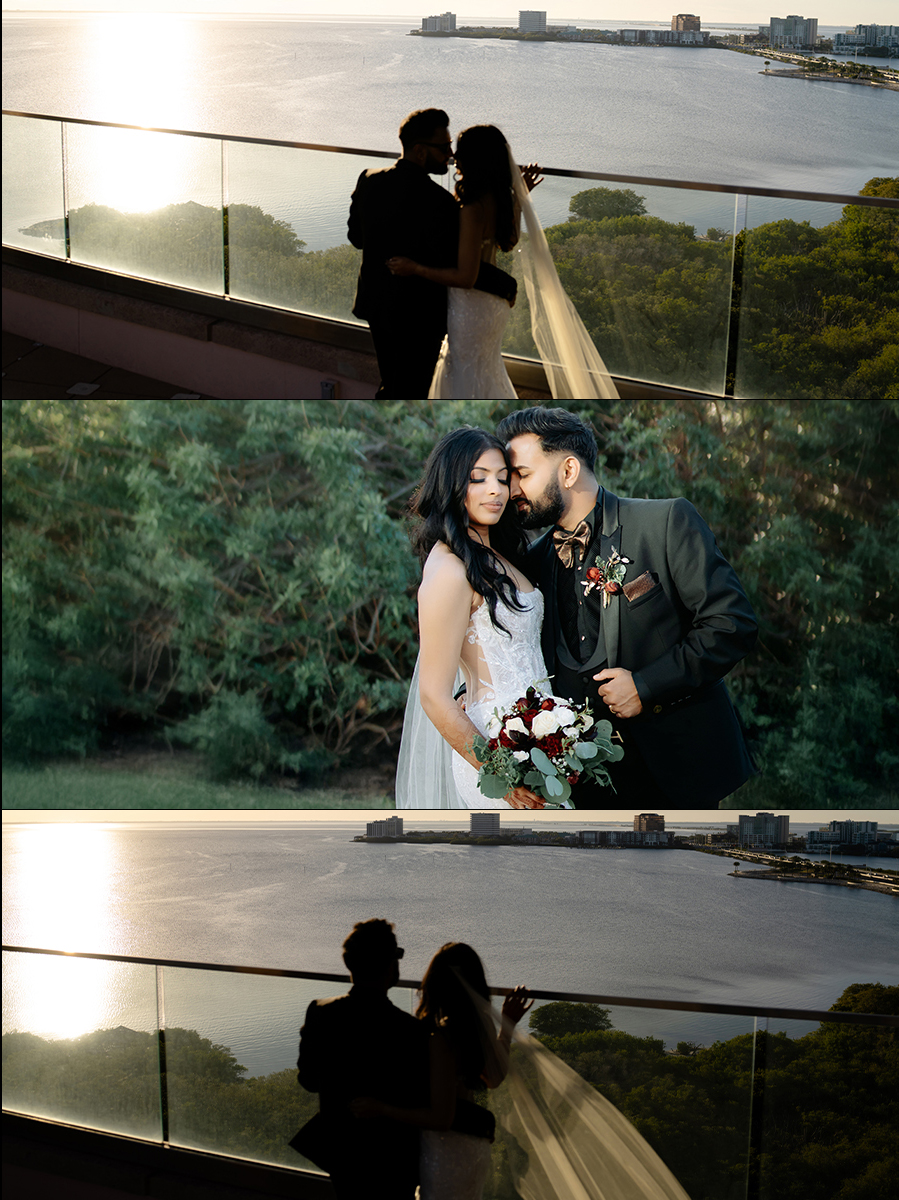
A rain backup plan that still photographs well
- Visit the backup space, not only the outdoor one. Ask how it looks with your guest count and decor.
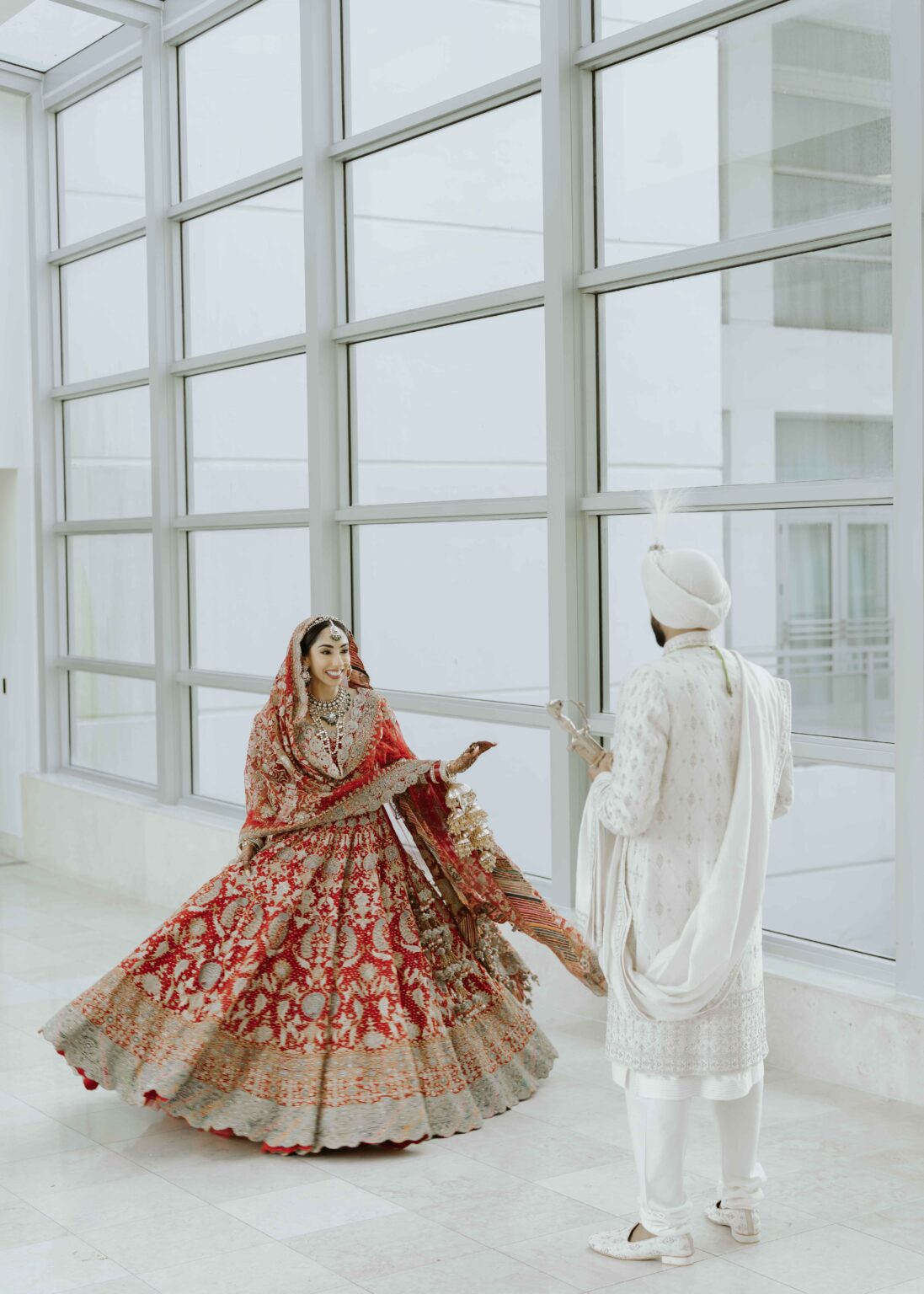
- Choose a backup with natural light, such as an atrium, a glass-walled room or a ballroom with windows.
- Ask your decorator for a plan B version of the mandap or stage that fits inside.
- Decide on the deadline for the call, often a few hours before the event, and who makes it.
- Tell your photographer about the backup space early, so we can plan portrait spots indoors too.
- Tents need sidewalls, fans or air conditioning, and a floor in summer.
Many Florida resorts are built for this, with covered terraces, atriums and ballrooms right next to their lawns. Our Indian wedding venues in Florida hub covers the venues we know well, including Orlando, Fort Lauderdale and Palm Beach.
Bugs, wind and other small things
- Mosquitoes and no-see-ums come out at dusk near lakes and the coast. Ask the venue about treatment, and keep bug spray away from outfits.
- Love bugs swarm in parts of Florida in late spring and late summer. They are harmless but can land on outfits.
- Beaches are windy. Pin dupattas and veils, and choose a sheltered spot for the ceremony.
- Sand and heels do not mix. Bring flat sandals for beach portraits.
Florida weather by region
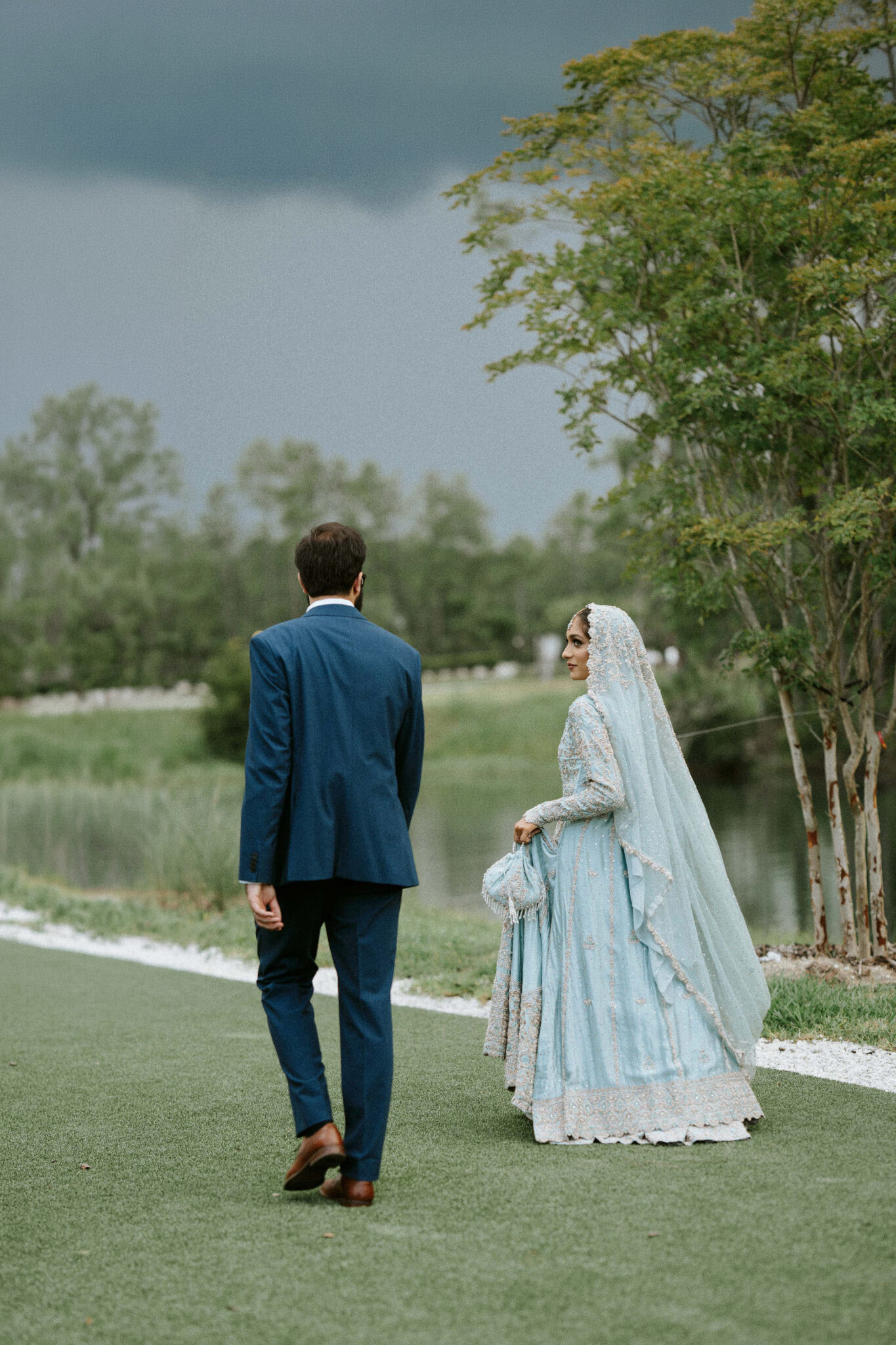
Miami and South Florida stay warm year-round, with mild winters. Orlando and Tampa have warm winters with occasional cool evenings. Jacksonville and North Florida can be genuinely cold on some winter nights. A Muslim shaadi we photographed in Jacksonville had a stormy sky that made the portraits even more dramatic. See our haldi and baraat guides for event-specific heat tips, or plan your day with our photography timeline.
Frequently asked questions
What is the best month for an Indian wedding in Florida?
October to April is the most comfortable season, with lower humidity and fewer afternoon storms. November, December, February, March and April are especially popular.
When is hurricane season in Florida?
The Atlantic hurricane season runs from June 1 to November 30, with the most activity usually from mid-August to mid-October.
What time do summer storms happen in Florida?
In the wet season, roughly late May to early October, thunderstorms often build in the afternoon or early evening and usually pass within an hour.
What time is sunset in Florida for wedding portraits?
In Central Florida, roughly 5:30 PM in late November and December and around 8:20 to 8:30 PM in late June. Check the exact time for your date and plan portraits in the hour before it.
Can we have an outdoor Indian wedding in Florida in summer?
Yes, with planning. Hold outdoor parts in the morning or near sunset, keep them short, provide shade and water, and have a covered backup close by.
What makes a good rain backup space for photos?
Natural light, enough room for your guest count and a plan B version of your mandap or stage. Atriums and rooms with large windows photograph best.
Planning a Florida Indian wedding?
We are based in Orlando and photograph South Asian weddings across Florida in every season. Tell us your date and venue and we will reply within 24 to 48 hours.